
Ships (1/50)
A ship is a large watercraft that travels the world's oceans and other sufficiently deep waterways, carrying goods or passengers, or in support of specialized missions, such as defense, research, and fishing. Ships are generally distinguished from boats, based on size, shape, load capacity, and tradition.
More: Gallery of Ships ...
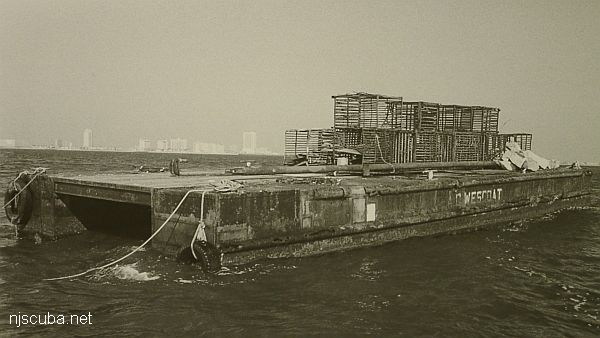
- Type:
- artificial reef, barge
- Specs:
- ( 60 x 25 ft )
- Sponsor:
- A.C. Wescoat Company, Fish America Foundation, Atlantic County Party & Charter Boat Association
- Sunk:
- Wednesday Oct 11, 1989 - Atlantic City Artificial Reef
- GPS:
- 39°15.540' -74°14.691'
- Depth:
- 80 ft
More: AC Wescoat ...
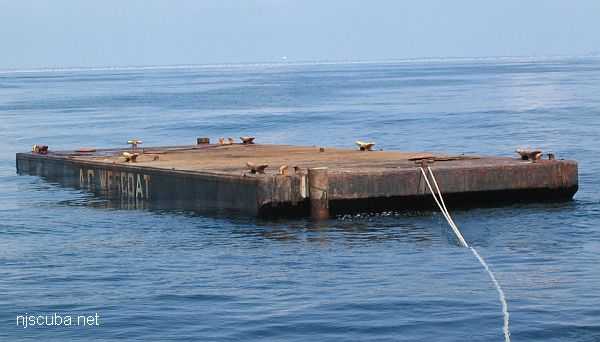
- Type:
- artificial reef, barge
- Specs:
- ( 60 ft )
- Sponsor:
- AC Wescoat Bulkheads
- Sunk:
- Wednesday July 26, 2006 - Ocean City Artificial Reef
- GPS:
- 39°09.891' -74°34.310'
More: AC Wescoat 2 ...
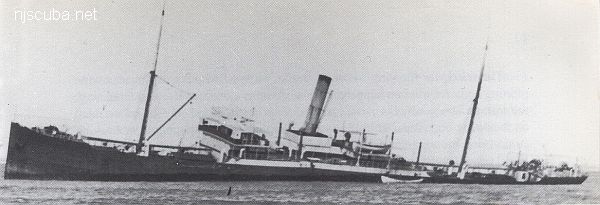
- Type:
- shipwreck, freighter, England
- Built:
- 1898, England
- Specs:
- ( 380 x 47 ft ) 4193 gross tons
- Sunk:
- March 1, 1902; ran aground in storm - no casualties
- Depth:
- 25 ft
The Acara lies 1,500 to 1,800 ft offshore, in 25 ft of water. She is quite broken up, with wreckage spread over a wide area. Still, there are one or two sections with 10 feet or so of relief. Brass fittings and other artifacts are still being found.
More: Acara ...
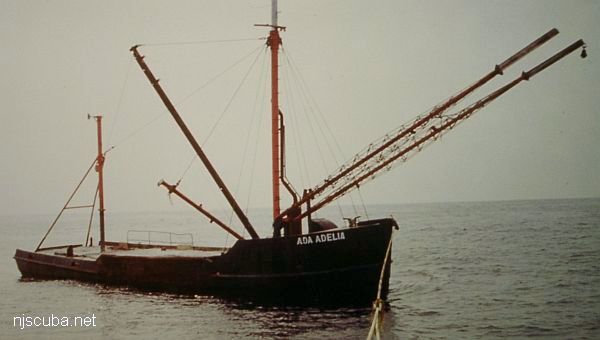
- Type:
- artificial reef, trawler, USA
- Built:
- 1866, Eastport ME USA
- Specs:
- ( 65 x 20 ft )
- Sponsor:
- Adelia Inc. & Andy Applegate
- Sunk:
- Friday Oct 11, 1991 - Atlantic City Artificial Reef
- GPS:
- 39°15.500' -74°13.880'
- Depth:
- 85 ft
More: Ada Adelia ...
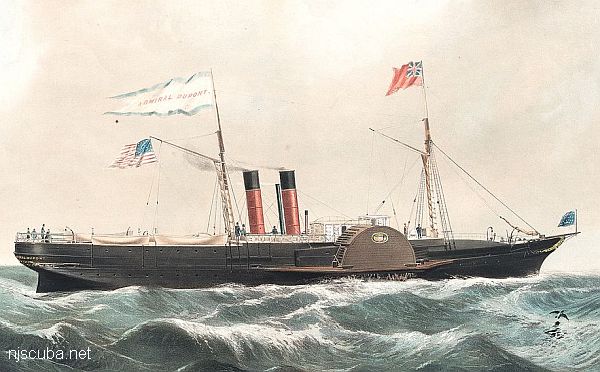
- Type:
- shipwreck, steamer, USA
- Built:
- 1847, England, as Anglia
- Specs:
- ( 195 x 28 ft ) 750 gross tons, 50 passengers & crew
- Sunk:
- Thursday June 8, 1865
collision with ship Stadacona - 17 casualties - Depth:
- 150 ft
More: Admiral DuPont ...
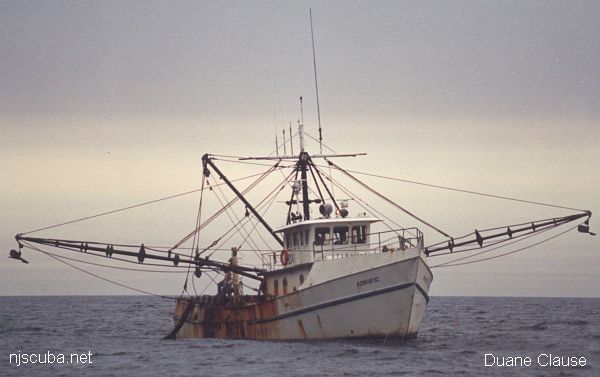
"This picture was taken several years ago by my wife, Debbie. We were searching for the Adriatic's lost clam dredge that day. Later, after the sinking, my group of divers was the first to dive on and identify her. I used this picture at the dive site to set the dive plan and objectives."
- Capt. Duane Clause, Porthole II
- Type:
- shipwreck, clam dredge, USA
- Built:
- 1977, Master Marine, Bayou La Bâtre AL USA
- Specs:
- ( 74 ft ) 134 gross tons, 4 crew
- Sunk:
- Monday January 18, 1999
foundered in rough seas - no survivors - Depth:
- 65 ft
More: Adriatic ...
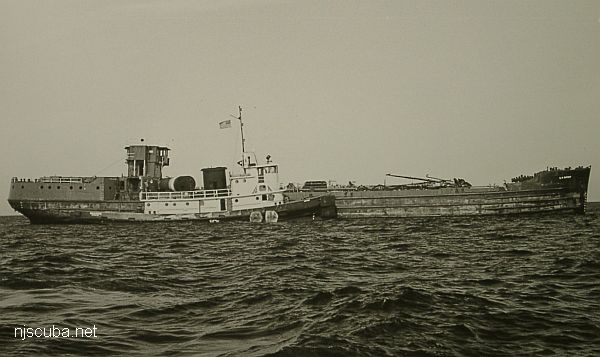
- Type:
- artificial reef, tanker
- Built:
- 1940, John H. Mathis, Camden NJ USA
- Specs:
- ( 247 x 38 ft )
- Sponsor:
- Spentonbush Red Star Company, Fisherman Magazine
- Sunk:
- Tuesday June 10, 1986 - Garden State North Artificial Reef
- GPS:
- 39°37.727' -74°01.079'
- Depth:
- 85 ft
More: AH Dumont YO-54 ...
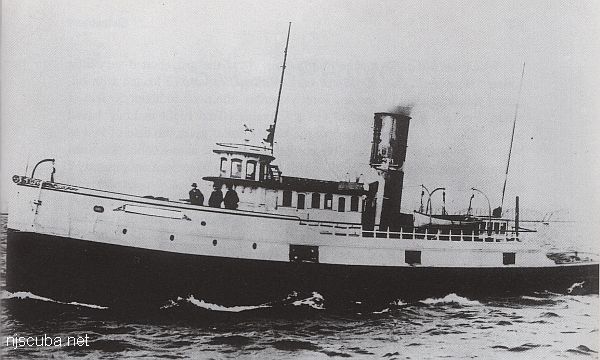
- Type:
- shipwreck, tanker, USA
- Built:
- 1863, USA
- Specs:
- ( 116 x 23 ft ) 159 tons
- Sunk:
- Wednesday February 7, 1940
struck pack ice - no casualties - Depth:
- 65 ft
More: Poling Brothers #2 ...