Ships (7/50)

A ship is a large watercraft that travels the world's oceans and other sufficiently deep waterways, carrying goods or passengers, or in support of specialized missions, such as defense, research, and fishing. Ships are generally distinguished from boats, based on size, shape, load capacity, and tradition.

 1  6 7 8  50  


Bayville barge

Type:
shipwreck, barge, mini submarine (?)
Depth:
25 ft

The visibility on this site varies. Average is 10-12ft. This site offers two wrecks which lie in 25 fsw. A British WWI two-man reconnaissance submarine and an old wooden barge. They are both within swimming distance from each other. The marine life is fair around these wrecks. There are a few car tires between the two wrecks and you may find an occasional lobster hiding inside them.

To locate the barge take a compass heading of 330 degrees from the pilings located on the east side of Greenwich Ave. It takes about 50 kick cycles to reach the wreck. To get to the submarine take a compass heading of 30 degrees from the same pilings. This can be reached in about 30 kick cycles. Both of the wrecks are not intact but make for a good dive.


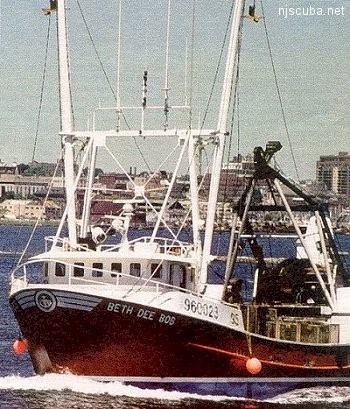
Shipwreck Beth Dee Bob
Type:
shipwreck, clam dredge, USA
Built:
1990, Bock Marine, Beaufort NC USA
Specs:
( 84 ft ) 96 tons, 4 crew
Sunk:
Wednesday January 6, 1999
foundered in rough seas - no survivors
Depth:
120 ft

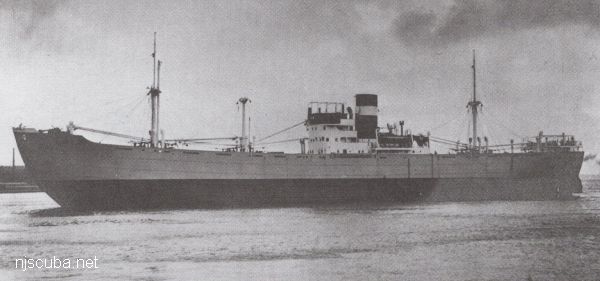
Shipwreck Bidevind
Type:
shipwreck, tanker, Norway
Built:
1938, Germany
Specs:
( 414 x 56 ft ) 4956 gross tons, 36 crew
Sunk:
Thursday April 30, 1942
torpedoed by U-752 - no casualties
GPS:
39°48'57" -72°46'07" (US Navy 2004)
Depth:
190 ft


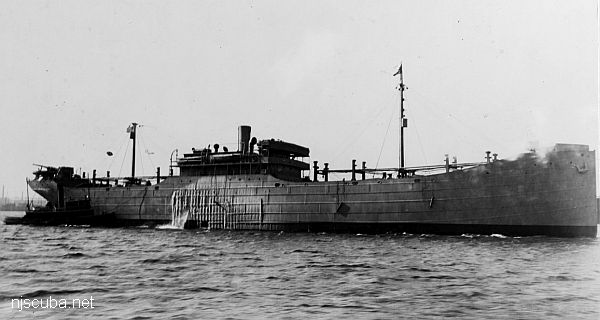
Shipwreck Black Point
Type:
shipwreck, collier, USA
Built:
1918, New York Shipbuilding, Camden NJ USA
Specs:
( 369 x 55 ft ) 5353 displacement tons
Sunk:
Saturday May 5, 1945
torpedoed by U-853 - 12 casualties
Depth:
85 ft


Sparrow
Red-Eyed Vireo

It is not at all uncommon for small songbirds to be blown out to sea in a strong west wind ( or a north wind, for Long Island. ) Unable to make their way back to land, these tiny fliers eventually tire and drop into the water, or get picked off by seagulls. In desperation, they will alight on anything solid to rest. An anchored dive boat makes an easy target and may collect several hitchhikers over the course of a day. This little guy was so exhausted that he even perched on a finger for photographs. Generally, though, you should just leave them alone and not frighten them further, and they will fly away on their own once the boat gets back to land.