Ships (29/50)

A ship is a large watercraft that travels the world's oceans and other sufficiently deep waterways, carrying goods or passengers, or in support of specialized missions, such as defense, research, and fishing. Ships are generally distinguished from boats, based on size, shape, load capacity, and tradition.

 1  28 29 30  50  


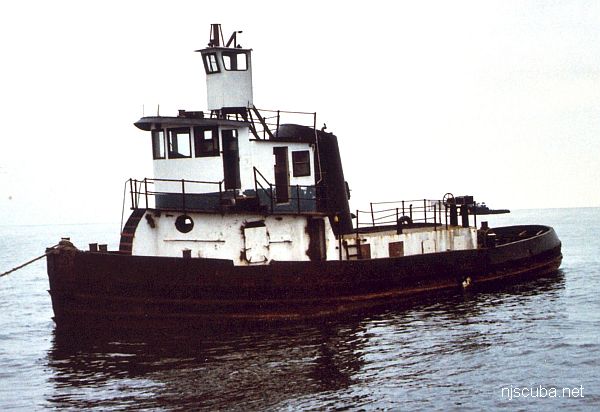
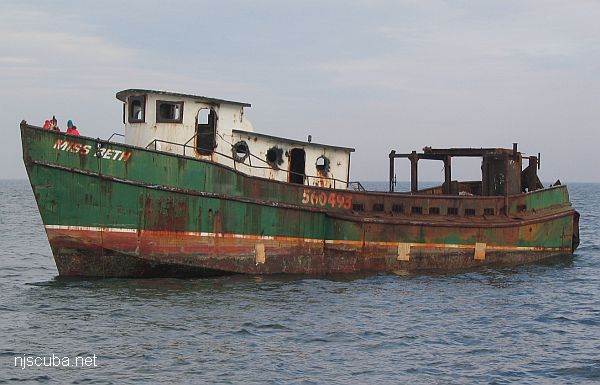
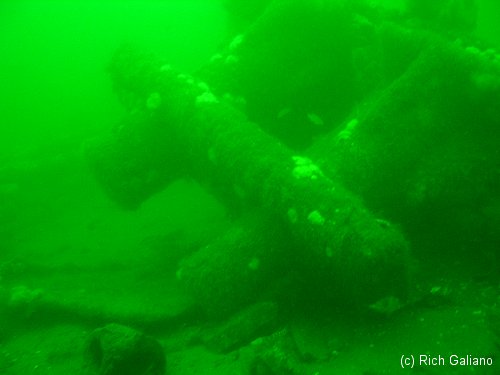
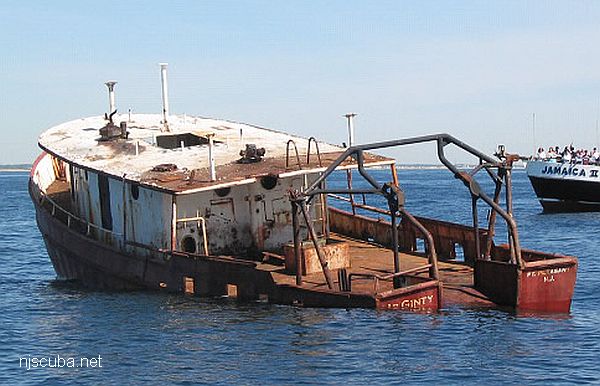
Megan Sue reef
Type:
artificial reef, tugboat
Built:
1960, Diesel Shipbuilding, Jacksonville FL, as Nomad
Specs:
( 61x17 ft )
Sponsor:
"4 of Clubs" - DVD, Ocean Wreck Divers, MRMTC, Ann E Clark Foundation
Sunk:
Sunday January 9, 2005 - Axel Carlson Artificial Reef
GPS:
40°03.181' -73°59.310'
Depth:
80 ft, top at 60 ft

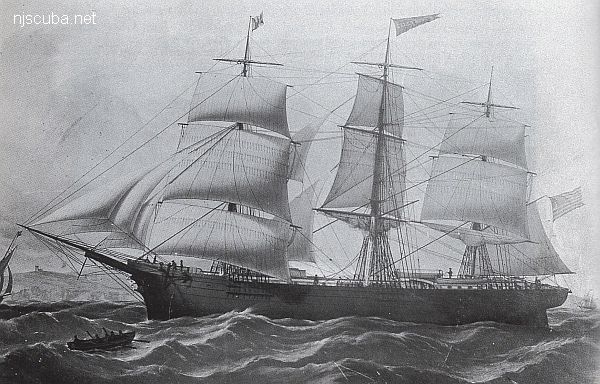
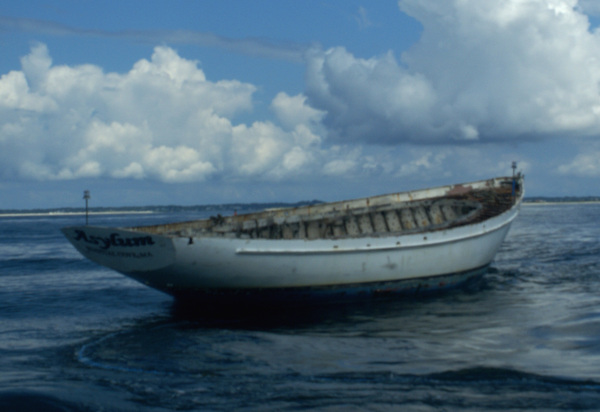
Shipwreck Meta
Type:
shipwreck, sailing ship, Germany
Built:
1855, ?, Damariscotta ME USA
Specs:
( 204 x 42 ft ) 1812 tons
24 crew
Sunk:
Sunday October 14, 1883
ran aground in fog - no casualties
Depth:
20 ft

wood wreck


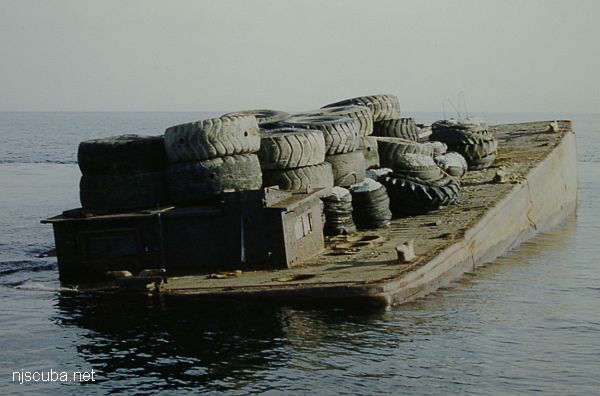
Michael DePalma reef
Type:
artificial reef, barge
Specs:
( 70 x 28 ft )
Sponsor:
Creedon Tug & Barge Works, Friends of Michael DePalma, GDF, Cape May County Party & Charter Boat Association
Sunk:
Tuesday February 27, 1996 - Wildwood Artificial Reef
GPS:
38°56.970' -74°41.337'


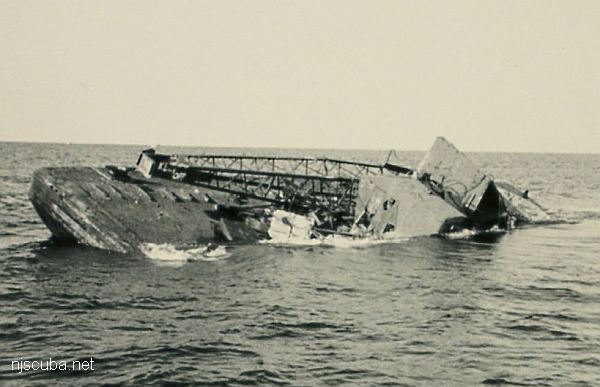
GS Miller reef
Type:
artificial reef, barge
Specs:
( 90 x30 ft )
Sponsor:
Caldwell's Diving Company, Fish America Foundation
Sunk:
Tuesday October 10, 1989 - Garden State South Artificial Reef
GPS:
39°33.621' -74°06.528'

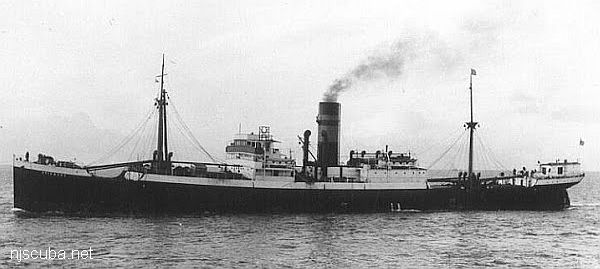
Shipwreck SS Miraflores
Type:
shipwreck, freighter, Britain
Built:
1921, England
Specs:
( 270 x 39 ft ) 2755 gross tons, 34 crew
Sunk:
Thursday February 19, 1942
torpedoed by U-432 - no survivors
Depth:
165 ft


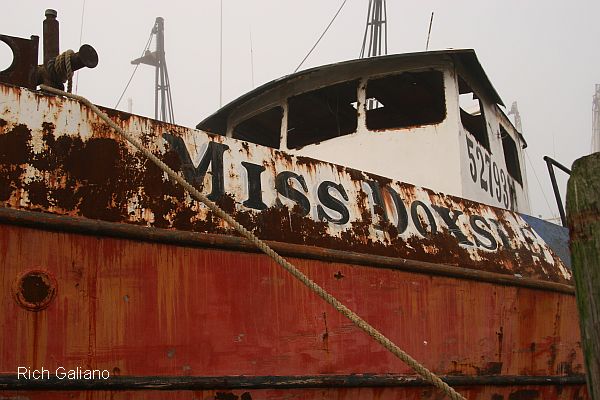
reef Miss Doxsee
Type:
artificial reef, clam dredge
Built:
1970, MKR, Wildwood NJ USA
Specs:
( 72 ft ) 125 gross tons
Sponsor:
Townsends Inlet Fluke Tournament, Ann E Clark Foundation
Sunk:
Monday August 13, 2007 - Townsends Inlet Artificial Reef
GPS:
39°06.605' -74°36.177'
Depth:
60 ft


The proper way to fill a scuba cylinder is very slowly so that the heat generated by the filling process can be bled away as it happens, and the tank does not become overheated. That's a great theory, but in real life, nobody does it that way. Most tanks are "hot-filled", that is to say, that they are filled too fast to prevent them from heating up during the process. If they are filled directly off a compressor, then they will receive a very hot fill. You would be surprised how warm the surface of a tank can get. This is not much of a safety issue, though, as it is well within the thermal limits of the material, either aluminum or steel.

The real issue here is that eventually ( after a few hours ) the tank will cool down, and as it does, the air inside will contract, and the pressure will drop. This typically results in about a 10% loss of pressure. At this point, you could top it off to the rated pressure again and have a truly full tank. Most of the time that's not an option. Therefore, if the shop hot-fills your tank to 3000, you will end up with 2700. To get 3000, you need to fill the tank to about 3300. While this is verboten, it is well within the 5/3 overpressure of the hydro test, and realistically there is no danger. The slight overpressure may wear out your o-rings a little faster, but o-rings are cheap - get a dozen of them at the hardware store for a buck.