A ship is a large watercraft that travels the world's oceans and other sufficiently deep waterways, carrying goods or passengers, or in support of specialized missions, such as defense, research, and fishing. Ships are generally distinguished from boats, based on size, shape, load capacity, and tradition.
The "China Wreck" is the partial remains of an unidentified late 19th-century wooden sailing ship, with a cargo of china plates and cups, and miscellaneous articles. This site is believed to be the wreck of the D.H. Bills, a 167'-long wooden-hulled barkentine that sank with a cargo of British-made earthenware during a storm in March 1880.
The wreck must be dived at slack tide, and even then conditions at the mouth of Delaware Bay tend to be muddy. The plates themselves date from about 1875, and are fairly ordinary and of little value except to divers who prize such artifacts; and despite years of plunder, there are still more to be found.
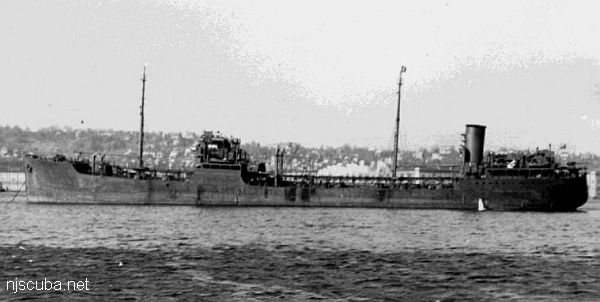
Thursday September 21, 1944 collision with tanker British Harmony, then with freighter Voco ( 5090 tons) while at anchor, then with tanker Empire Garrick - no casualties
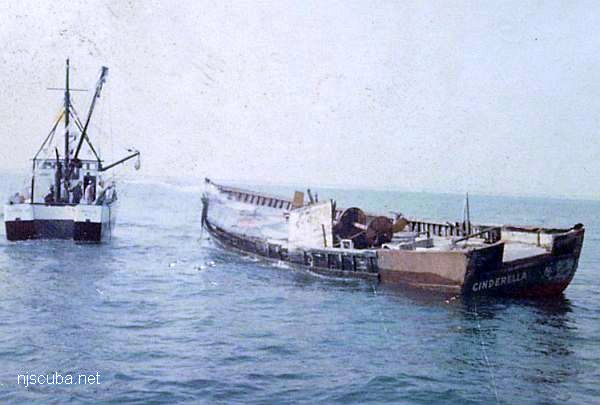
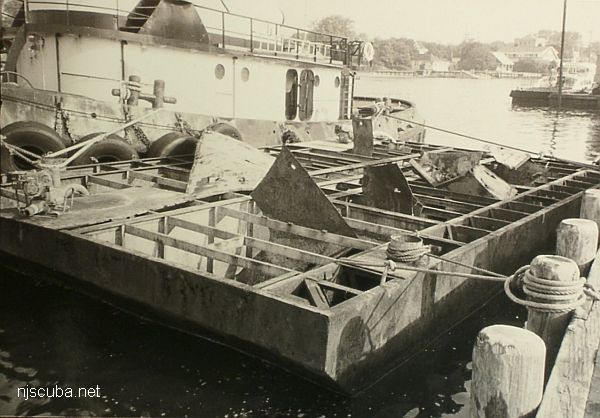
A beached schooner barge. Compare the hull form with a square barge.
The schooner barge was the final development of the working sailing ship. The design originally evolved in the 1870s on the Great Lakes, where it was found that sailing ships could be more profitably towed from place to place than sailed. No longer subject to the vagaries of the wind, such trips could be made on a scheduled basis, and with reduced labor costs. The idea spread into general use, resulting in the conversion of many sailing ships into barges. Ironically, most of the vessels that were converted to schooner barges were not actually schooners, but square-rigged ships. Square-riggers, with their large and expensive crews of skilled sailors, became uneconomical to operate in the face of ever-improving steam power, while more efficient schooners managed to compete for a few years longer.