

- Type:
- artificial reef, trawler
- Built:
- 1983, Miller Marine, Deltaville, VA USA
- Specs:
- ( 70 ft )
- Sunk:
- August 2024 - 12-Mile Artificial Reef
- Depth:
- 125 ft
- GPS:
- 40°37.061' -72°31.576'
More: Jana Marie ...
A ship is a large watercraft that travels the world's oceans and other sufficiently deep waterways, carrying goods or passengers, or in support of specialized missions, such as defense, research, and fishing. Ships are generally distinguished from boats, based on size, shape, load capacity, and tradition.
More: Gallery of Ships ...
More: Jana Marie ...
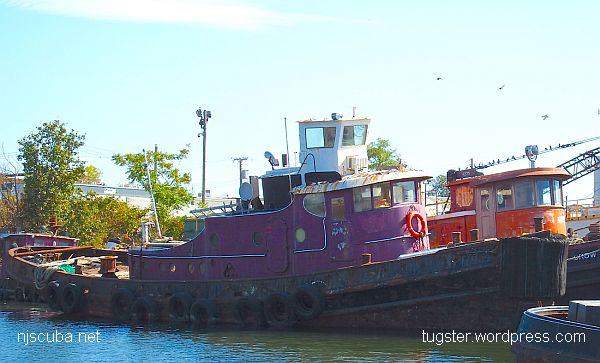
More: Jane ...
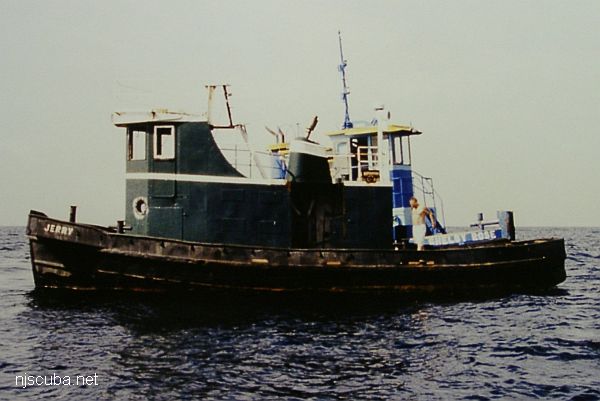
More: Jerry ...
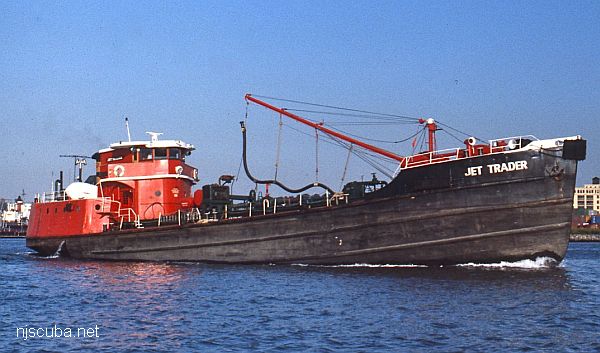
More: Jet Trader YO-167 ...
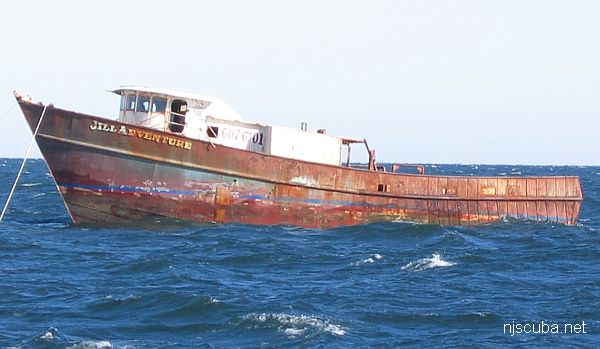
More: Jill Adventure ...
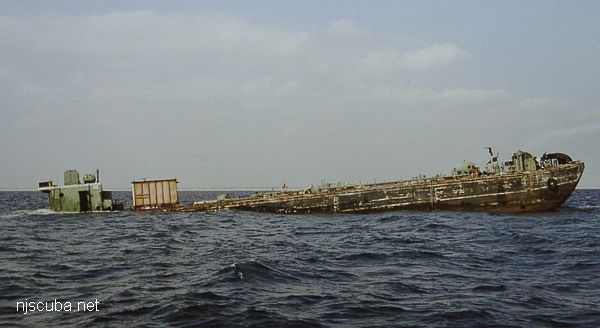
More: Jim Lynch E-13 ...
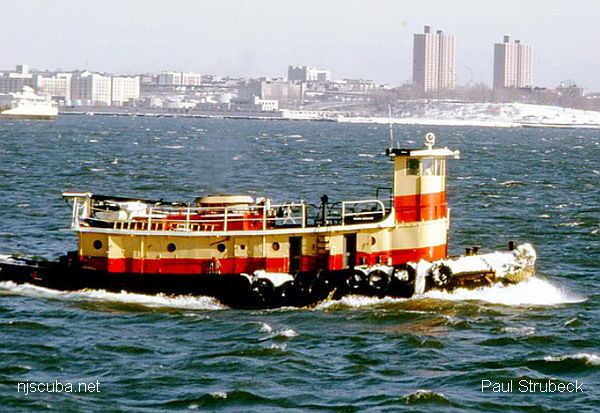
More: JJ DPC-19 ...
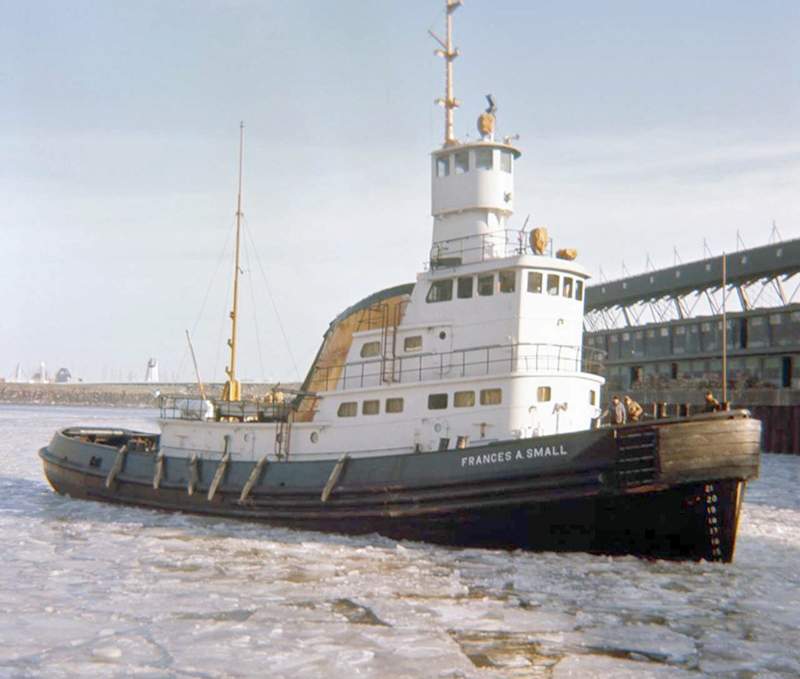
More: John A. Downs ...
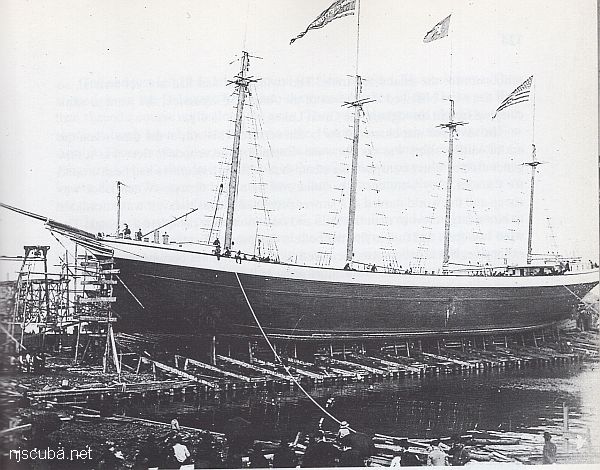
More: John C. Fitzpatrick ...
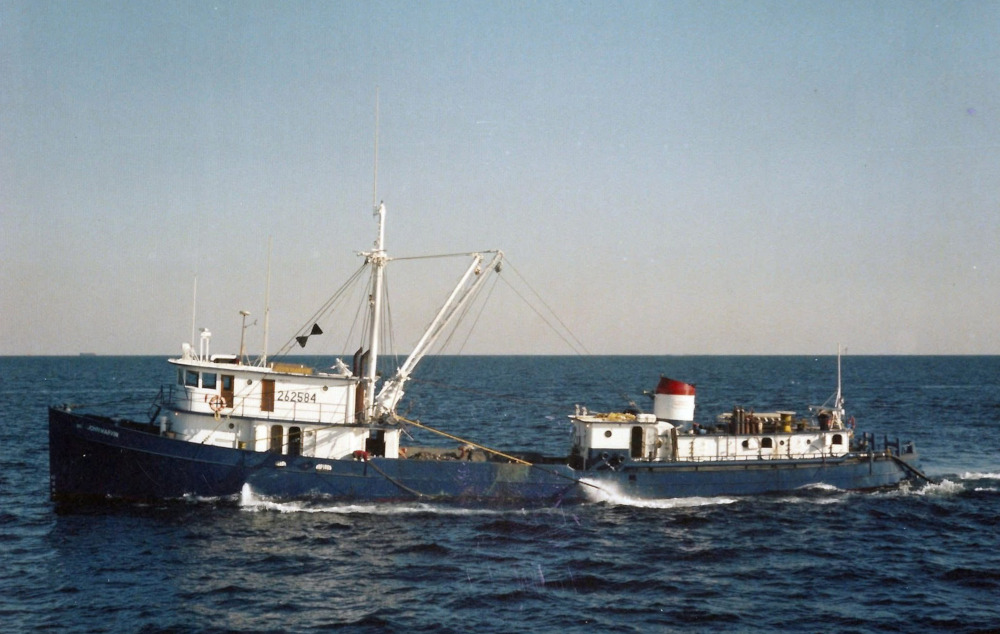
More: John Marvin ...
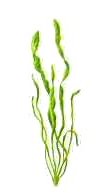
Zostera marina
Size: to 36"
Seagrasses are a group of approximately 50 species of vascular plants that complete their entire life cycle fully submerged in the marine environment. The most common and ecologically important seagrasses in New Jersey are eelgrass ( Zostera marina ) and widgeon grass ( Ruppia maritima ). Widgeon grass, however, is actually a fresh/brackish water plant with extreme salinity tolerance and is therefore sometimes not classified as a "true" marine seagrass.
More: Eelgrass ...