Ships (36/49)

A ship is a large watercraft that travels the world's oceans and other sufficiently deep waterways, carrying goods or passengers, or in support of specialized missions, such as defense, research, and fishing. Ships are generally distinguished from boats, based on size, shape, load capacity, and tradition.

 1  35 36 37  49  

Remedios Pascual
Type:
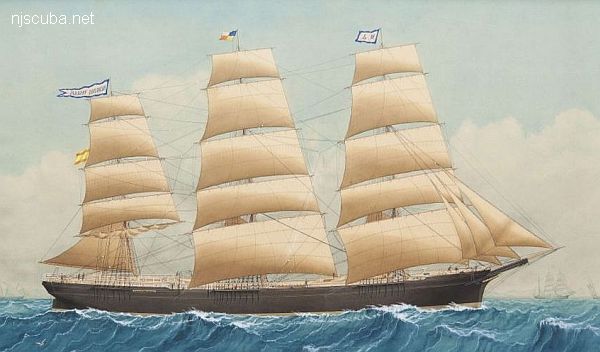
shipwreck, sailing ship, Spain
Built:
1885, J. Urquhart, Canada, as Stalwart
Specs:
( 216 x 40 ft ) 1605 gross tons, 21 crew
Sunk:
Saturday January 3, 1903
ran aground in bad weather - no casualties
Depth:
25 ft

Shipwreck Republic
Type:
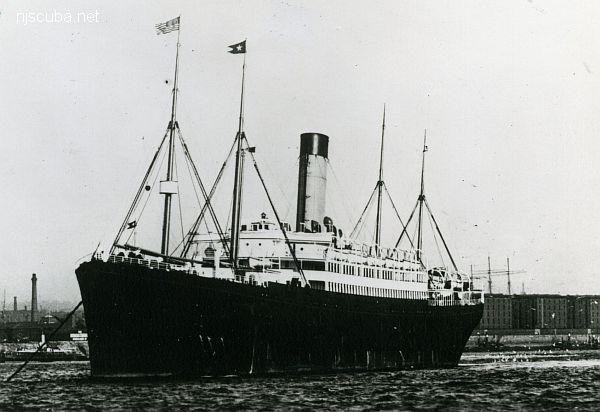
liner, White Star Line
Name:
One of the "-ic" series of White Star liners, which included such other ships as the Georgic, Olympic, and Titanic.
Built:
1903, Ireland
Specs:
( 570 x 68 ft ) 15378 gross tons
Sunk:
Sunday January 25, 1909
after collision with steamer Florida - 2 casualties
Depth:
240 ft


Type:
shipwreck, schooner barge
Depth:
80 ft

Very low-lying wooden wreckage of unknown origin. Just a single line of ribs, with nothing off to either side. If sanded-in ( as usual ) this spot can be a complete waste of time.


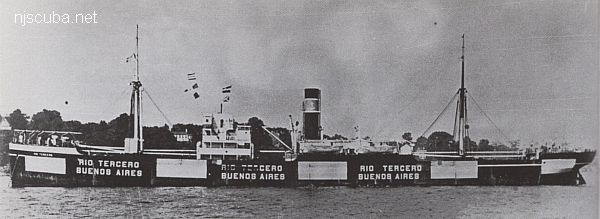
Shipwreck Rio Tercero
Type:
shipwreck, freighter, Argentina
Built:
1912, England, as Fortunstella
Specs:
( 405 x 54 ft ) 4864 gross tons
Sunk:
Monday June 22, 1942
torpedoed by U-202 - 5 casualties
Depth:
400 ft ?


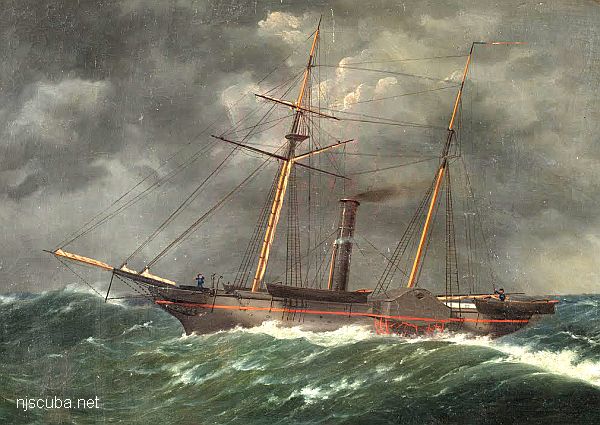
Rjukan

Type:
shipwreck, sailing ship, Norway
Specs:
( 160 ft ) 960 tons, 20 crew
Sunk:
Tuesday December 26, 1876
ran aground in bad weather - no casualties
Depth:
25 ft

low scattered wooden debris, 200 yards offshore


Type:
shipwreck, schooner, USA
Built:
1886, Rockland ME USA
Specs:
( 225 x 37 ft ) 1556 tons
Sunk:
February 8, 1899; unknown
Depth:
23 ft

aka "Derrick Barge"


Carp

Cyprinus carpio

Size
to 36"
( record over 6 ft )

Description
A heavy-bodied, laterally compressed minnow with a long dorsal fin and arched back. The first ray of the dorsal and anal fins is a stout, serrated spine. The small triangular head tapers to a blunt snout. The small, protrusible mouth contains no teeth and is located below the snout. There are two pairs of barbels on the upper jaw. Body color is brassy green on top grading to bronze or gold on sides. The belly is yellowish-white. Fins typically are yellow, orange, golden, or light olive in color. The wild type of common carp is completely covered with large, round scales. Mirror carp has a few very large scales scattered over the body and leather carp are virtually scaleless.