Ships (48/49)

A ship is a large watercraft that travels the world's oceans and other sufficiently deep waterways, carrying goods or passengers, or in support of specialized missions, such as defense, research, and fishing. Ships are generally distinguished from boats, based on size, shape, load capacity, and tradition.

 1  47 48 49  


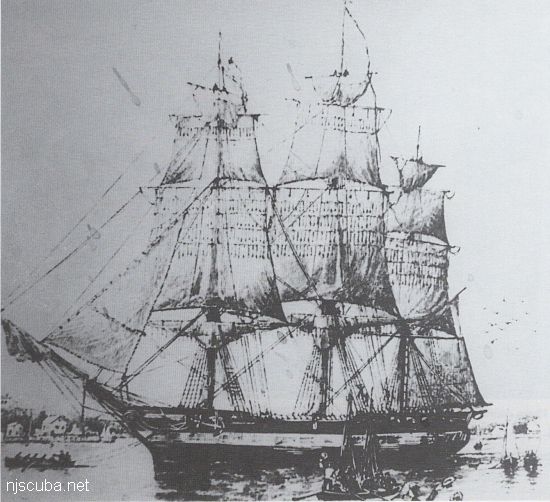
Shipwreck Western World
Type:
shipwreck, sailing ship, England
Specs:
( 287 x 38 ft ) 2458 gross tons, 300+ passengers & crew
Sunk:
Saturday October 22, 1853
ran aground in heavy fog - no casualties
Depth:
25 ft

Type:
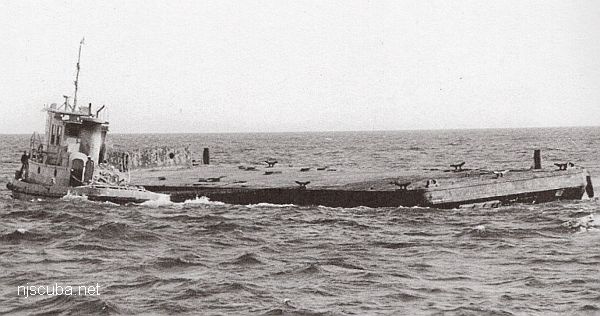
shipwreck, barge
Built:
1918
Specs:
1041 tons
Sunk:
Monday September 3, 1934
foundered - no casualties
Depth:
42 ft

The Diggs was engaged in a salvage operation at the time of her loss and actually settled on top of another shipwreck, of unknown origin. The green blinker buoy for which it is known was removed after the wooden wreck was demolished in the 1970s. Also known as the "Green Blinker Wreck".


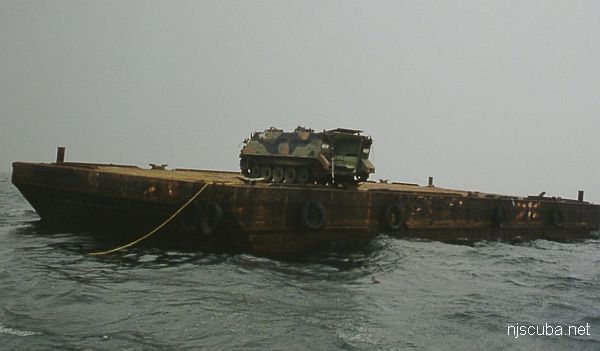
Delaware Artificial Reef #11
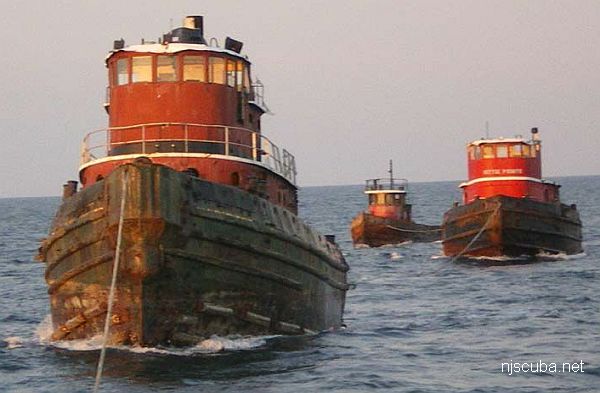
Fells Point leads the string, Cittie Point in the middle, and William C Snow brings up the rear
Type:
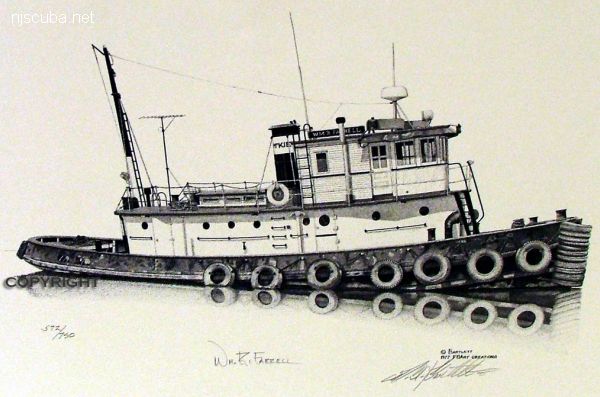
artificial reef, tugboat
Built:
1962, Southern Materials Co, Norfolk VA USA
Specs:
( 50 ft )
Sunk:
Monday June 2, 2008 - Delaware #11 Artificial Reef
GPS:
38°40.540' -74°43.957'


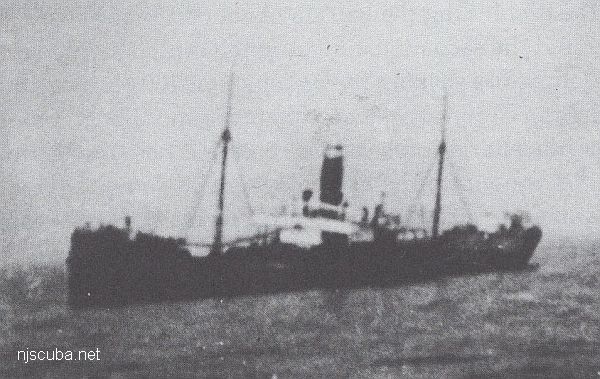
Shipwreck Winneconne
Type:
shipwreck, freighter, USA
Name:
Named for a town in eastern Wisconsin?
Built:
1907, England, as Hogland
Specs:
( 271 x 39 ft ) 1869 gross tons
Sunk:
Sunday June 2, 1918
bombed by U-151 - no casualties
Depth:
220 ft

Winthrop reef
Type:
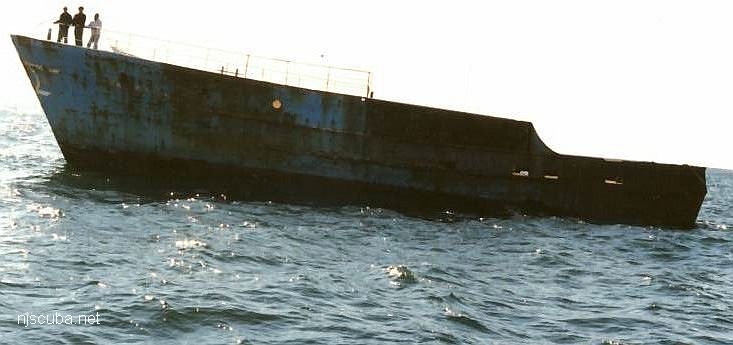
artificial reef, trawler, USA
Built:
1948, Bath Iron Works, Bath, Maine, USA
Specs:
( 117 x 24 ft ) 195 gross tons
Sponsor:
Eirek's Dock, Fish America Foundation
Sunk:
Wednesday July 12, 1989 - Cape May Artificial Reef
GPS:
38°50.825' -74°43.312'
Depth:
60 ft


Delaware Water Gap Bottles

Glass is a hard substance, usually brittle and transparent, composed chiefly of silicates and an alkali fused at high temperature.

Composition and Properties of Glass

Most glass is a mixture of silica obtained from beds of fine sand or from pulverized sandstone; an alkali to lower the melting point, usually a form of soda or, for finer glass, potash; lime as a stabilizer; and cullet ( waste glass ) to assist in melting the mixture. The properties of glass are varied by adding other substances, commonly in the form of oxides, e.g., lead, for brilliance and weight; boron, for thermal and electrical resistance; barium, to increase the refractive index, as in optical glass; cerium, to absorb infrared rays; metallic oxides, to impart color; and manganese, for decolorizing.