Little Egg Artificial Reef
Little Egg Artificial Reef
4.0 Nautical Miles off Holgate, 2.05 sq miles
Depth: 50-60 ft [download]
This reef is composed largely of Army tanks. ( dozens, not shown )
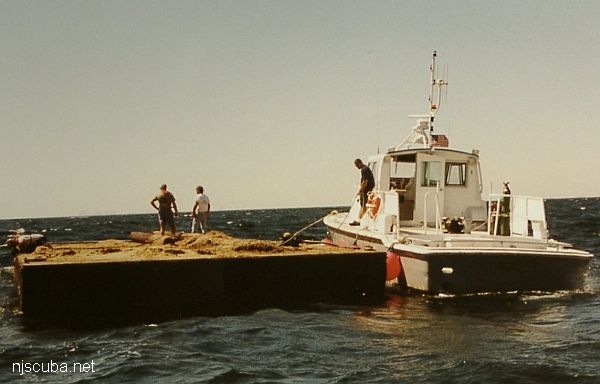
- Type:
- artificial reef, barge
- Built:
- 1989
- Specs:
- ( 62 x 22 ft )
- Sponsor:
- Berman family, United Jewish Community Fund of Harrisburg
- Sunk:
- Friday Sept 13, 2002 - Little Egg Artificial Reef
- GPS:
- 39°28.560' -74°11.300'
More: Southwick's ...
All manner of concrete, steel, and stone rubble from dredging, demolition projects, and other construction is used as artificial reef materials. This material is generally available at very low cost or free from construction companies who are more than happy to get rid of it. Transportation costs determine where this material is used by the Reef Program.
More: Rock & Rubble ...
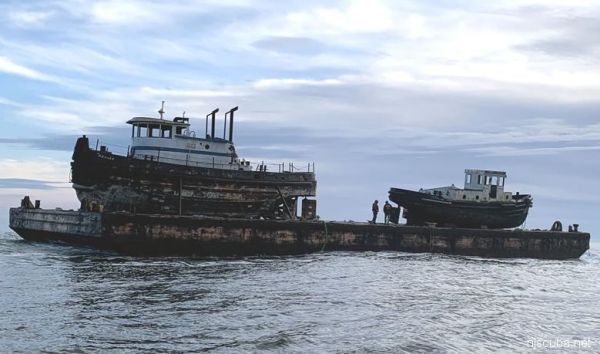
The larger tug Ranger was sunk on the Manasquan Reef
- Type:
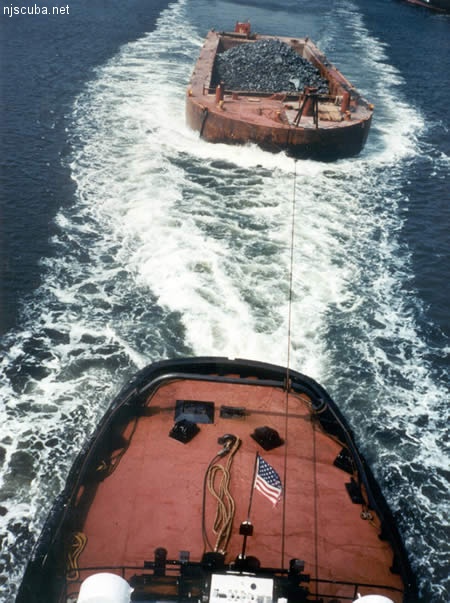
- artificial reef, tugboat, barge, etc
- Specs:
- barge: ( 140 ft )
tug: ( 45 x 13 ft ) 20 gross tons - Sunk:
- Thursday January 14, 2021 - Little Egg Artificial Reef
- GPS:
- 39°28.340' -74°11.083'
More: Equity tug & barge ...
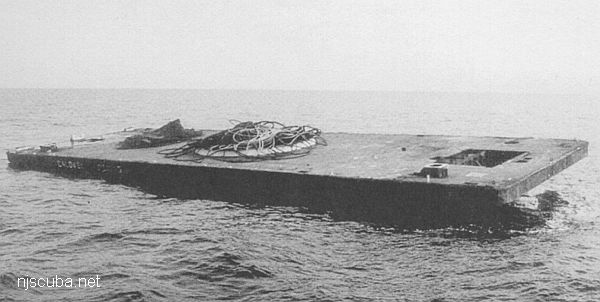
- Type:
- artificial reef, barge, crane
- Specs:
- ( 110 ft )
- Sponsor:
- Caldwell's Diving Company
- Sunk:
- Friday December 3 1999 - Little Egg Artificial Reef
- GPS:
- 39°28.780' -74°11.084'
More: Waldorf ...
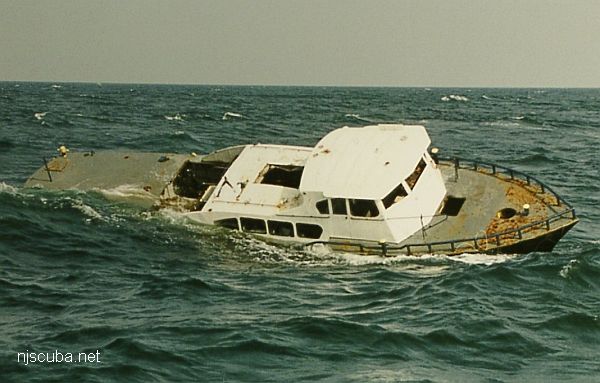
- Type:
- artificial reef, crew boat
- Built:
- 1968, New Orleans LA USA
- Specs:
- ( 55 ft )
- Sponsor:
- Caldwell's Diving Company
- Sunk:
- Wednesday February 12, 1997 - Little Egg Artificial Reef
- GPS:
- 39°28.501' -74°11.631'
More: Jessie C ...
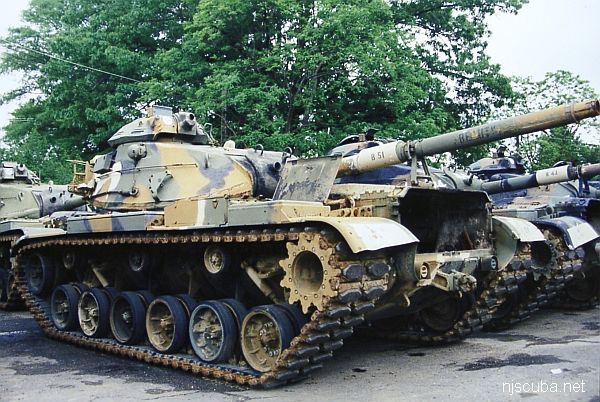
The Artificial Reef Program used four types of obsolete Army armored vehicles as artificial reef materials off the New Jersey coast. These were cleaned at local military bases, loaded onto barges for transport, and pushed off at their final destination. Once the Army had disposed of its excess inventory, the program ceased, around 1999. The Artificial Reef Program has sunk almost 400 tanks altogether, far too many to list them here in this website.
More: Army Tanks ...