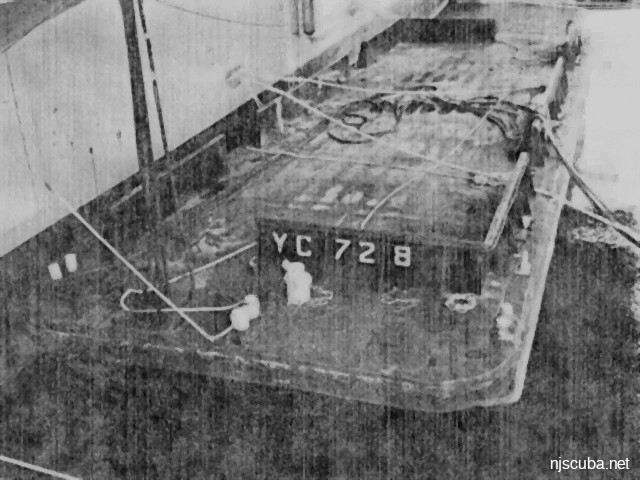
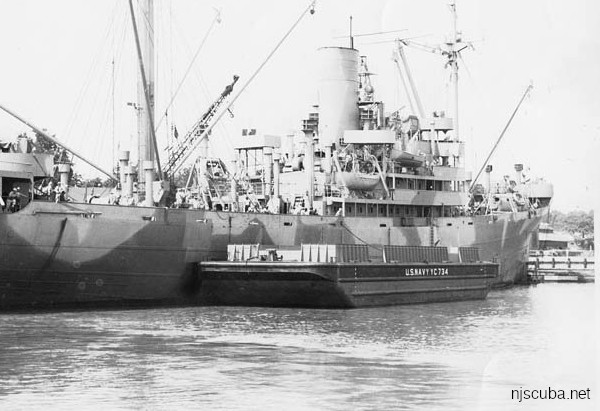
YC-725

YC-724
Type:
artificial reef, barge, US Navy
Built:
1941, Dravo Corporation, Wilmington DE USA
Specs:
( 110 x 35 ft ) 400 tons dead weight
Sunk:
Wednesday March 10, 2010 - Delaware #10 Artificial Reef
GPS:
38°36.608' -74°56.494'

One of a sequence YC-700 - YC-728 built by Dravo, all identical.

Delaware also lists a 95' barge at this location; I think that is an error.
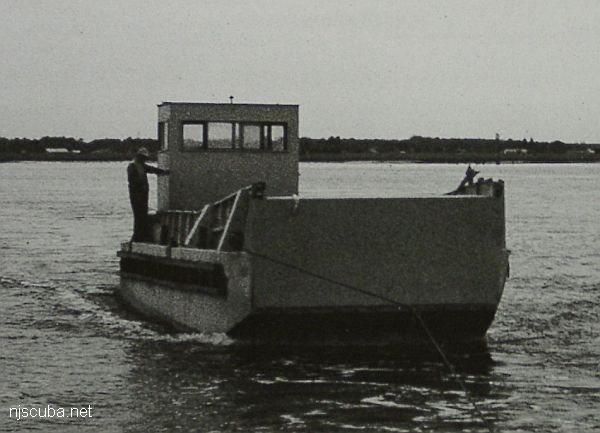

Comments on YC-725

Questions or Inquiries?

Just want to say Hello? Sign the .

Submit a Comment

Your email address will not be published. Required fields are marked *


Click image to replace if unable to read.

Enter the digits from the image above, except for the last one:

This site uses Akismet to reduce spam. Learn how your comment data is processed.


By Alex Brylske
Reprinted from Dive Training
Sept. 1996

PARALLELS ARE OFTEN DRAWN BETWEEN DIVING AND FLYING. Both take place in an environment where the ambient pressure is different than the earth's surface - where we spend most of our time breathing - and both require formal training to qualify as a participant. Yet, on one point the two activities diverge completely. In flying, the highlight of a pilot's life is his or her first opportunity to solo - to operate the aircraft alone. In fact, after earning a private pilot's license, aviators commonly fly with no one other than God as their copilot.

Not so in diving; the admonition to "never dive alone" is considered the hallmark of safe diving.

To most divers, entering the water without a buddy is tantamount to a pilot taking off without doing a preflight check of the airplane. But to assume that buddy diving is an absolute universal practice would be a mistake. Lots of divers dive solo. Some do it intentionally, but most end up sans buddy completely by accident.