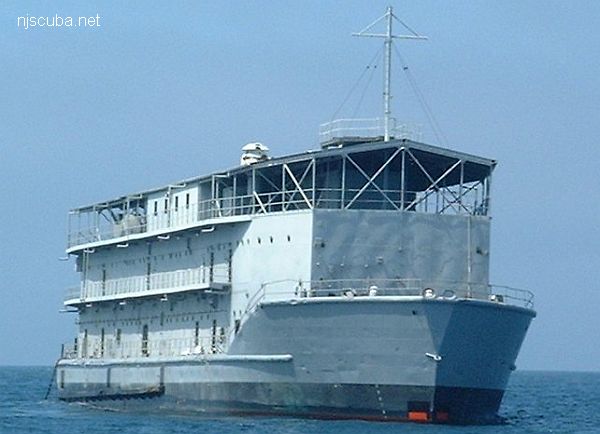
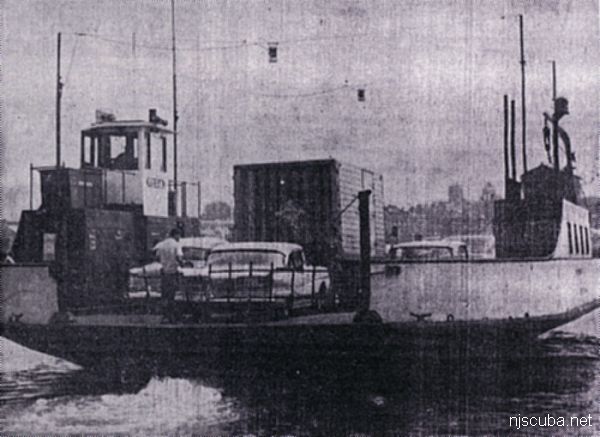
These are all reefs that have some connection to the military or Coast Guard, including DPC tugboats.
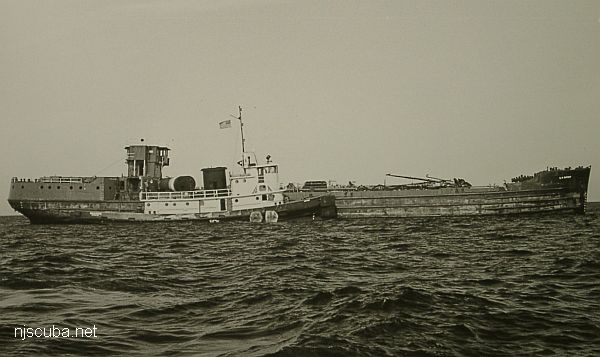
- Type:
- artificial reef, tanker
- Built:
- 1940, John H. Mathis, Camden NJ USA
- Specs:
- ( 247 x 38 ft )
- Sponsor:
- Spentonbush Red Star Company, Fisherman Magazine
- Sunk:
- Tuesday June 10, 1986 - Garden State North Artificial Reef
- GPS:
- 39°37.727' -74°01.079'
- Depth:
- 85 ft
More: AH Dumont YO-54 ...
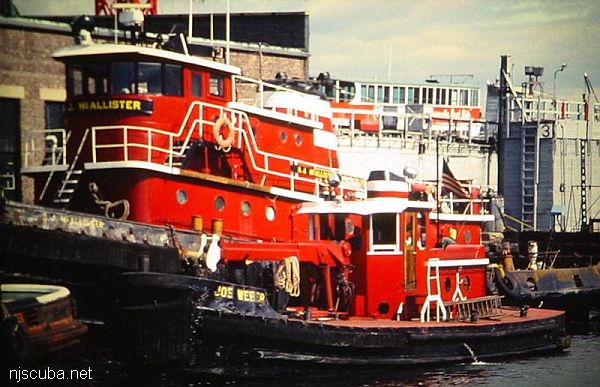
- Type:
- artificial reef, tugboat
- Built:
- 1939, Southern Shipbuilding, Slidell LA as Rowen Card
- Specs:
- ( 106 x 26 ft ) 263 tons
- Sponsor:
- Ann E Clark Foundation
- Sunk:
- Thursday Sept 25, 2003 - Deepwater Artificial Reef
- GPS:
- 39°58.004' -74°10.721'
More: AJ McAllister YNT-12 ...
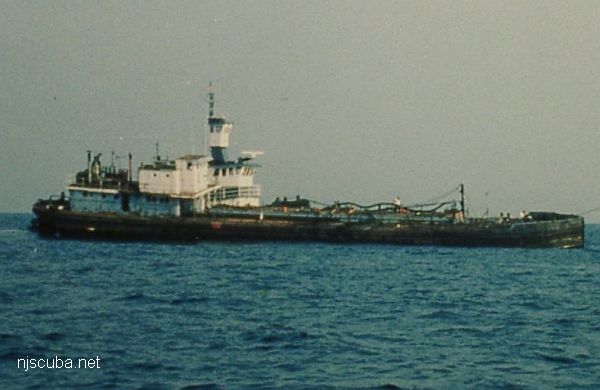
- Type:
- artificial reef, tanker, US Navy, YO-20 class
- Built:
- 1918, Todd Shipyards, New York NY USA, as YO-31
- Specs:
- ( 161 x 25 ft ) 335 tons light, 911 tons full-load
- Sponsor:
- Crystal Oil Corporation, Marine Trades Assn. of NJ, Fisherman Magazine
- Sunk:
- Thursday September 10, 1987 - Sea Girt Artificial Reef
- GPS:
- 40°06.440' -73°41.130'
- Depth:
- 125 ft
More: Alan Martin YO-31 ...
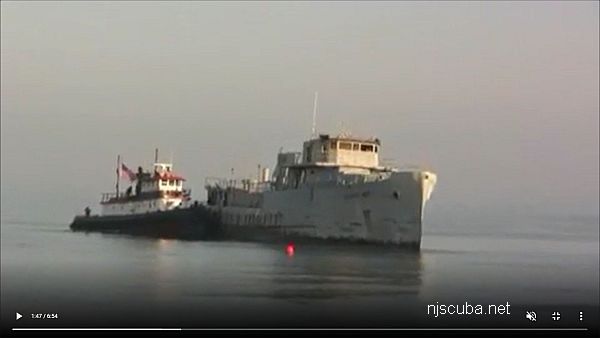
- Type:
- artificial reef, purse seiner, formerly Navy patrol craft
- Built:
- 1943, Albina Engine & Machine Works, Portland OR USA
- Specs:
- ( 185 x 33 ft ) 850 tons
- Sunk:
- Saturday, Jan 16, 2010 - DelJerseyLand Artificial Reef
- GPS:
- 38°31.063' -74°30.271'
- Depth:
- 100 ft
More: Atlantic Mist PCE-880 ...
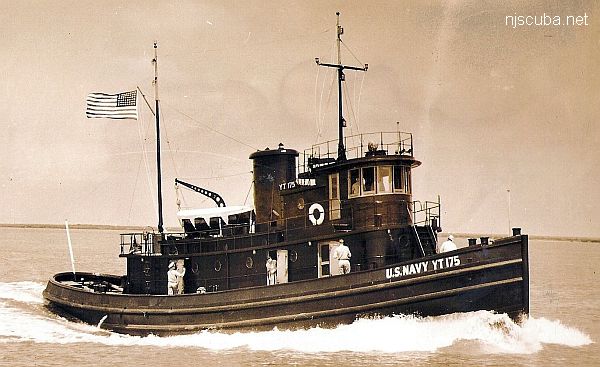
- Type:
- artificial reef, tugboat
- Built:
- 1941, Gulfport Shipbuilding, Port Arthur, TX, as YTB-175 USS Chekilli
- Specs:
- ( 96 ft )
- Sponsor:
- Manasquan River Marlin & Tuna Club, Ann E Clark Foundation
- Sunk:
- Sunday January 9, 2005 - Axel Carlson Artificial Reef
- GPS:
- 40°03.187' -73°59.283'
- Depth:
- 80 ft, top at 60 ft
More: Bay King YTB-175 ...
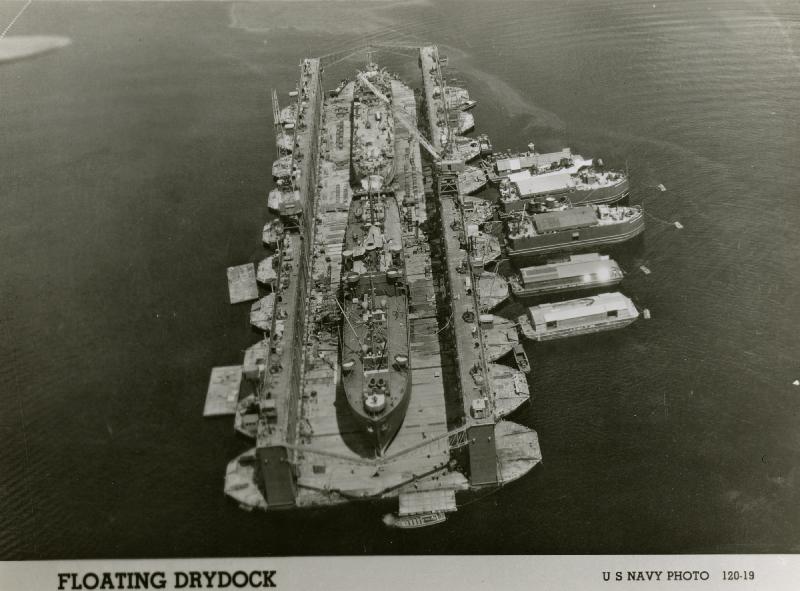
- Type:
- artificial reef, drydock (3 sections)
- Built:
- ?
- Specs:
- ( 133 x 96 x 54 ft )
- Sunk:
- May 20, 1985
- GPS:
- 38.515281 -74.525933
- Depth:
- 120 ft
More: Beth Drydock No. 5 ...
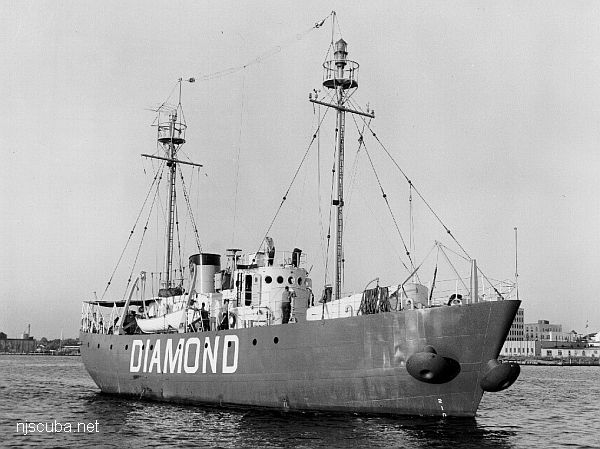
- Type:
- artificial reef, lightship, USA
- Name:
- Named for the harbor that it served as marker for during its long active career.
- Built:
- 1946, Devoe Shipbuilding, Bay City MI USA
- Specs:
- ( 128 x 30 ft ) 630 tons
- Sponsor:
- Atlantic County, Trump Casino, Atlantic City Seafood Festival, Artificial Reef Association, Atlantic County Party & Charter Boat Association
- Sunk:
- Friday January 28, 1994 - Atlantic City Artificial Reef
- GPS:
- 39°15.444' -74°14.004'
- Depth:
- 85 ft
More: Boston Lightship WLV-189 ...
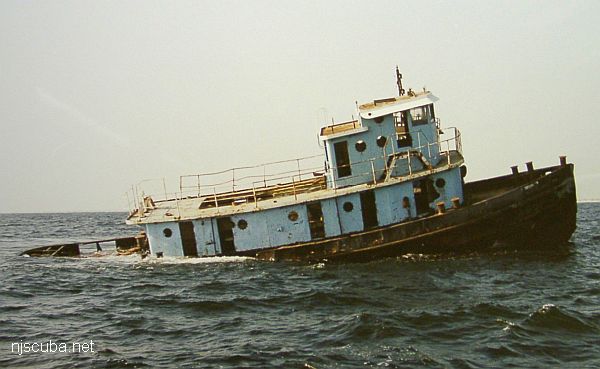
- Type:
- artificial reef, tugboat
- Built:
- 1943, Lawley & Sons, Neponset MA USA as DPC-15, later Brooklyn
- Specs:
- ( 86 x 24 ft ) 146 GT, 9 crew
- Sponsor:
- Friends of the Norma K
- Sunk:
- Tuesday October 30, 2001 - Axel Carlson Artificial Reef
- GPS:
- 40°03.390' -73°59.550'
More: Brooklyn DPC-15 ...
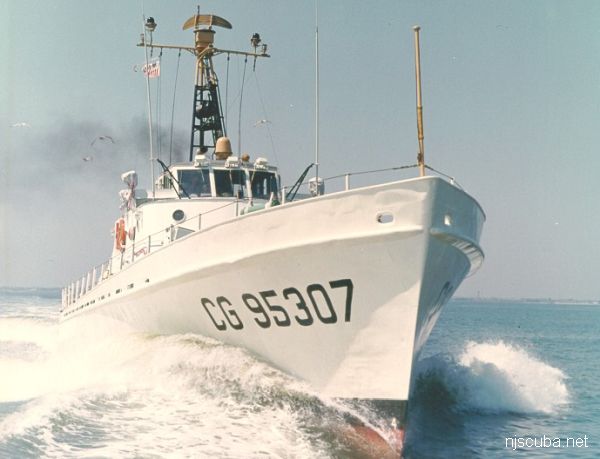 A "Cape"-class cutter at speed
- Type:
- artificial reef, cutter, US Coast Guard
- Built:
- 1953, US Coast Guard Yard, Baltimore MD USA
- Specs:
- ( 95 x 20 ft )
- Sponsor:
- USCG, New Jersey State Police
- Sunk:
- Thursday September 9, 1993 - Cape May Artificial Reef
- GPS:
- 38°51.060' -74°42.125'
- Depth:
- 65 ft
More: Cape Straight WPB-95308 ...