Military Reefs (4/6)

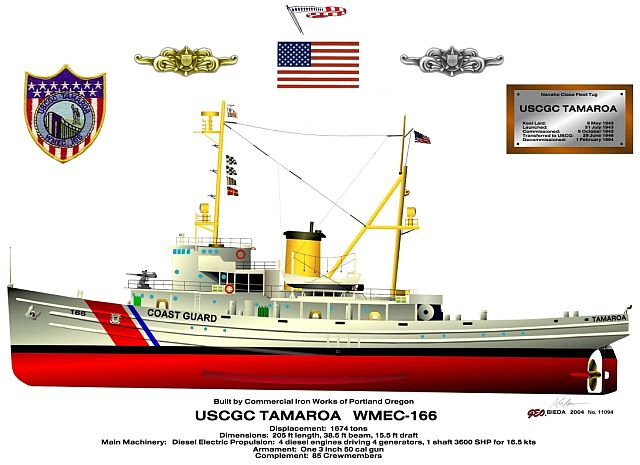
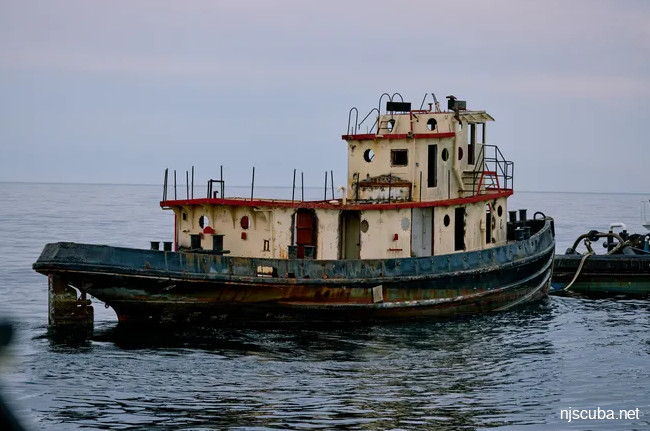
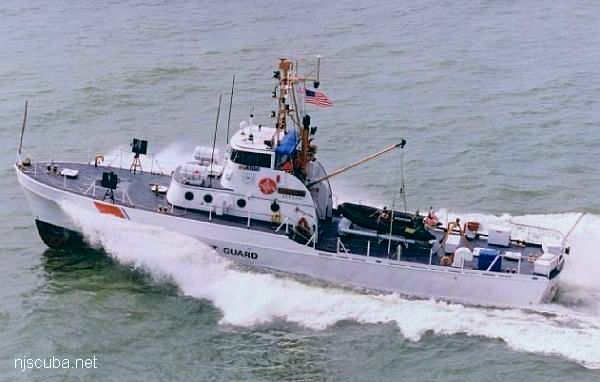
These are all reefs that have some connection to the military or Coast Guard, including DPC tugboats.

 1  3 4 5  6  


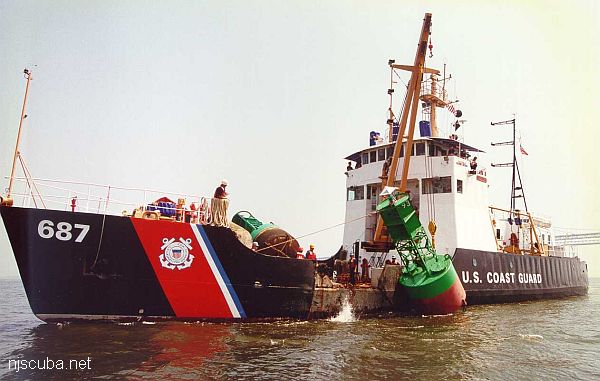
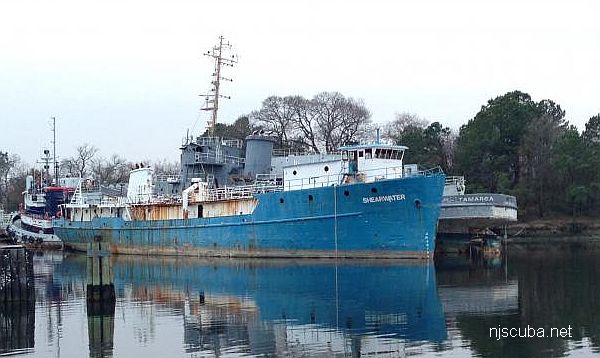
Red Oak WLM-689 reef
Sister ship Red Birch
Type:
artificial reef, buoy tender / ice breaker, US Coast Guard
Built:
1971, US Coast Guard Yard, Baltimore MD
Specs:
( 157 x 33 ft )
Depth:
65 ft
Sponsor:
USCG, Dick Weber & South Jersey Fishing Center
Sunk:
Monday September 13, 1999 - Cape May Artificial Reef
GPS:
38°53.125' -74°40.816'


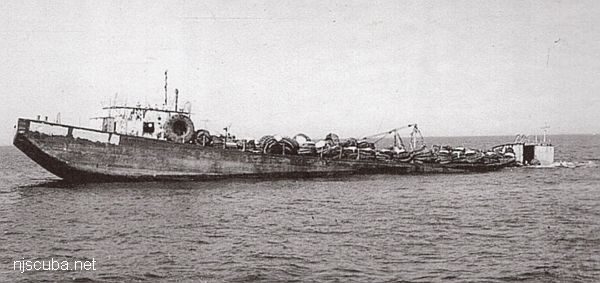
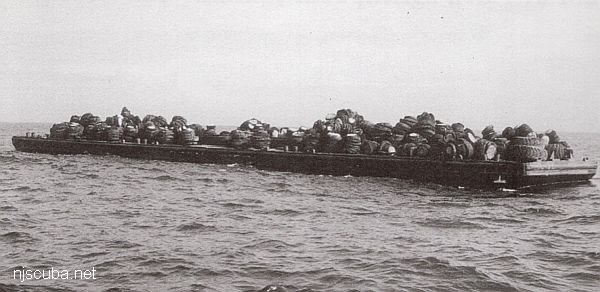
Rothenbach I reef
Type:
artificial reef, barge, fuel oil, US Navy
Built:
1944, DeKom SB, Brooklyn NY USA
Specs:
( 165 x 35 ft ) 220 tons (empty) 1270 displacement tons (full)
Sponsor:
Rothenbach & Cape May County Party & Charter Boat Association
Sunk:
Wednesday June 11, 1997 - Cape May Artificial Reef
GPS:
38°53.368' -74°39.800'


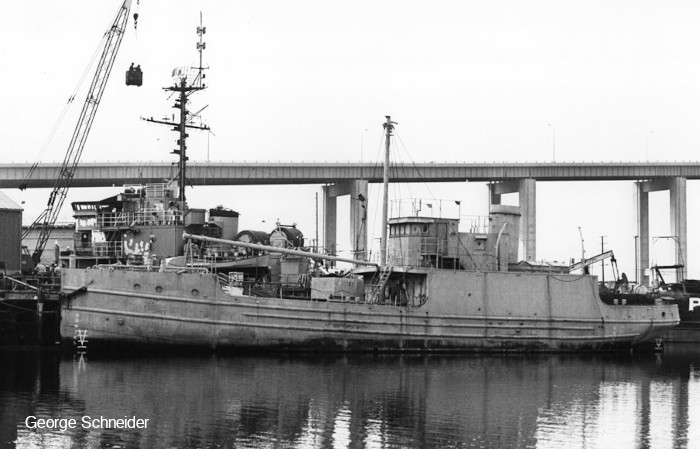
Salt Barge reef
Type:
artificial reef, barge
Built:
circa 1940
Specs:
( 150 x38 ft )
Sponsor:
US Navy, NJCDC, Carbon Services Corp, Artificial Reef Association, Cape May County Party & Charter Boat Association
Sunk:
Friday April 9, 1993 - Cape May Artificial Reef
GPS:
38°50.959' -74°42.385'


Military Reefs

 1  3 4 5  6  

The Buoyancy Compensator or BC is thought of primarily as a flotation device, and for warm-water divers with not much more than a single tank and reg, this is pretty much all it needs to be. However, for cold-water divers, the BC serves another and equally if not more important function: it is the base around which all the rest of your gear is assembled. For cold-water diving, a BC may be called upon to support multiple tanks, weights, gauges, bags, and myriad accessories - much more equipment than a tropical diver would ever carry. And not all BC designs are equally good at this.

BCs come in essentially two styles: the jacket style, where the entire BC is sewn into something like an inflatable vest, and the "tech" style, which consists of a web harness to which a back-mounted air bladder is attached for floatation. One thing that most beginners do not realize is that if you planned your dive and weighting correctly, you should be carrying very little air in your BC during your dive; especially true if you use a drysuit. Therefore, many of the manufacturer's big selling points of "interconnected three-dimensional air cells" and the like are more specious marketing hype than useful features, and the old inverted-U back bladder ( clearly descended from an automobile inner tube ) will work just as well as the much more complex and expensive designs, and sometimes better.