
Clermont

Type:
shipwreck, dredge
Sunk:
Saturday January 8, 1927

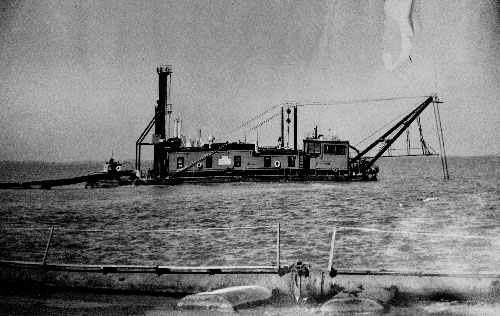
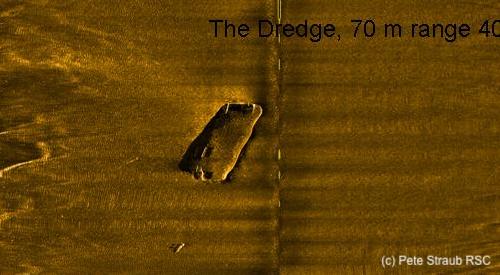
The Clermont was at one time the world's largest dredge. She was sunk in a storm while under tow on January 8, 1927. Today she sits upright on a sandy bottom, partially intact, rising 15' off the bottom. Some of the dredge pipes are visible in the sand off the starboard side of the wreck. Divers have recovered several interesting objects from the wreck such as deck prisms and bricks from the boiler stamped "Weideimer".
dredge
Side-scan courtesy of Stockton University

Comments on Clermont

Questions or Inquiries?

Just want to say Hello? Sign the .

Submit a Comment

Your email address will not be published. Required fields are marked *


Click image to replace if unable to read.

Enter the digits from the image above, except for the last one:

This site uses Akismet to reduce spam. Learn how your comment data is processed.


Close-up & Flash

By well-lit, what I mean is situations that fall within the normal range of your camera's exposure program. This is a combination of ISO (film) speed, shutter speed, and aperture which will result in capturing a desired image. On land, such situations occur all day long, but underwater they are rare. Clear shallow water with a bright sun shining overhead is the only environment in which your camera is likely to work unaided, as it would topside.

ambient light
Enlarge

An unremarkable ambient light test shot, at a depth of about 100 ft. Note the loss of colors, even close-up. Flash would bring out all the hidden colors.