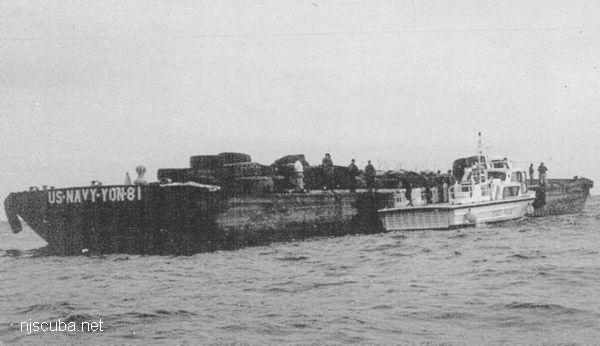
Delaware #10 Artificial Reef

Delaware #10 Artificial Reef

5.5 Nautical Miles from Indian River Inlet, 1.31 sq miles
Depth: 55-65 ft


rock reef
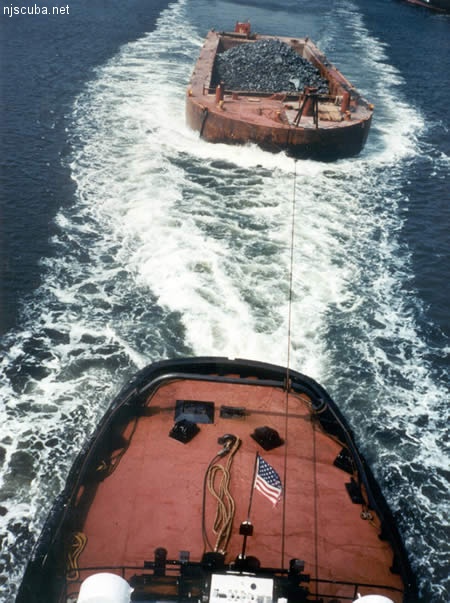
A hopper barge full of rock

All manner of concrete, steel, and stone rubble from dredging, demolition projects, and other construction is used as artificial reef materials. This material is generally available at very low cost or free from construction companies who are more than happy to get rid of it. Transportation costs determine where this material is used by the Reef Program.


Type:
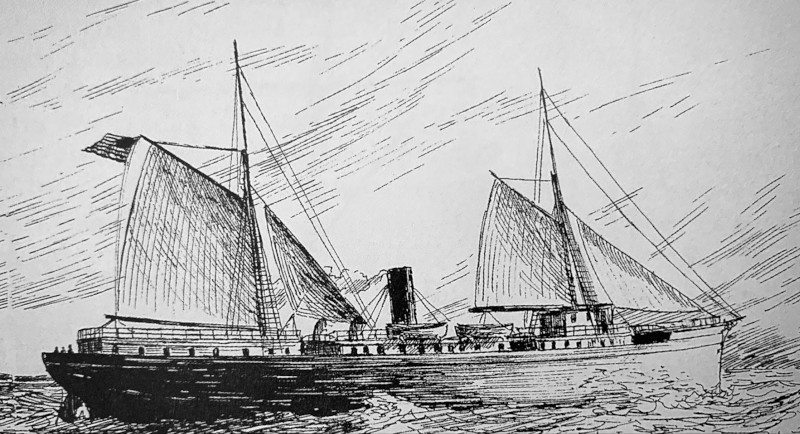
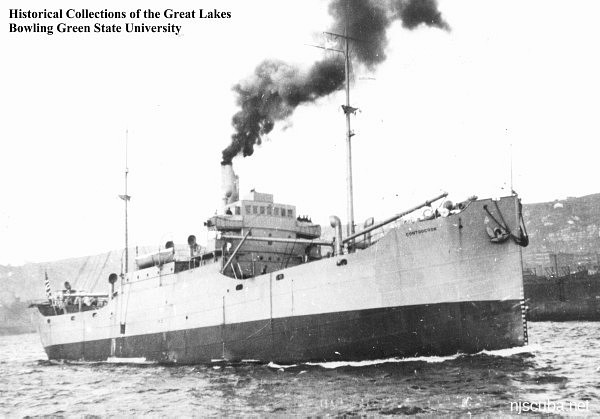
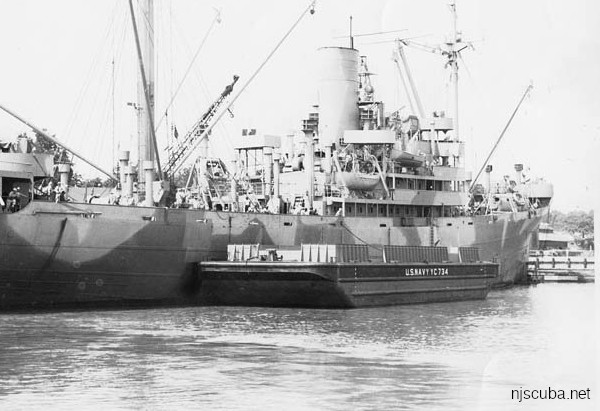
shipwreck, freighter, USA, converted to barge
Built:
1918, Globe Shipbuilding, Superior WI, as Contoocook, later Elda
Specs:
( 251' x 43 ft ) 2344 gross tons
Sunk:
Monday March 18, 1946
foundered
GPS:
38°36.769' -74°56.878' (DNREC)
Depth:
60 ft


Common Atlantic Octopus

Octopus vulgaris

Size: see below

Habitat: rocks and coral reefs, all depths

Notes:

The Common Octopus is the most studied of all octopus species. Its natural range extends from the Mediterranean Sea and the southern coast of England to at least Senegal in Africa, as well as the Azores, Canary Islands, and Cape Verde Islands. In the western Atlantic, it ranges from Texas and Florida to New England, although uncommon in colder northern waters. Typical habitat is rocks and coral reefs. Young are planktonic, and total lifespan is only 12-18 months.

O. vulgaris grows to 25 cm in mantle length with arms up to 1 m long. They can weigh up to 20 pounds, although they are usually much smaller. O. vulgaris is caught by bottom trawls on a huge scale off the northwestern coast of Africa. More than 20,000 tons are harvested annually.