
Delaware Artificial Reefs
Delaware Artificial Reefs (and a few New Jersey reefs)
Coverage of Delaware is restricted to just those sites that are in the ocean and vessels in the bay. Siting reefs has been tricky for Delaware, as they must be kept clear of the shipping lanes. This doesn't leave a lot of places that are both located in usefully deep water and a convenient distance from shore. Cape May Reef belongs to New Jersey, but is within range of Delaware, and lately seems to have received material from Delaware. I have also included the USS Blenny, to the south - drag the chart.
Delaware Artificial Reef Charts
The 5 Delaware reefs shown here total approximately 7.2 square miles.


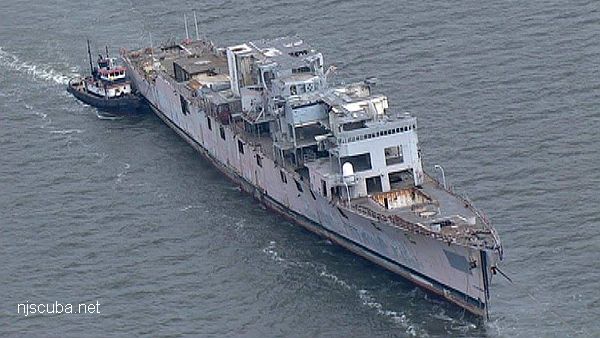
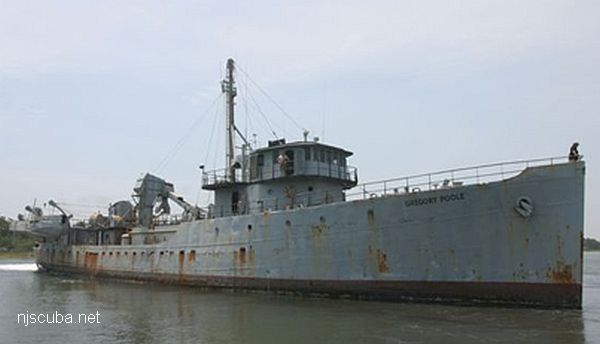
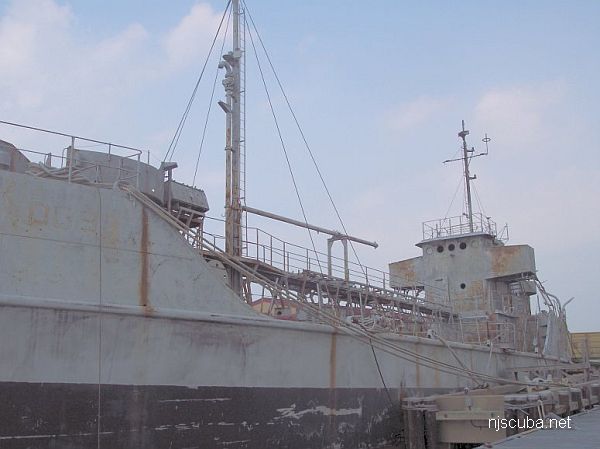
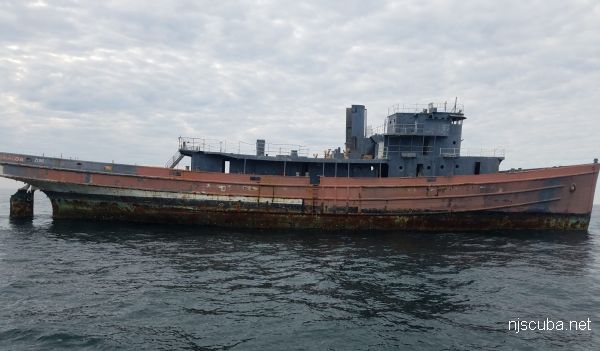
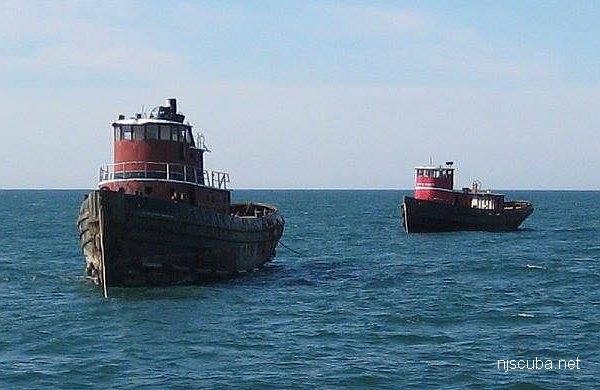
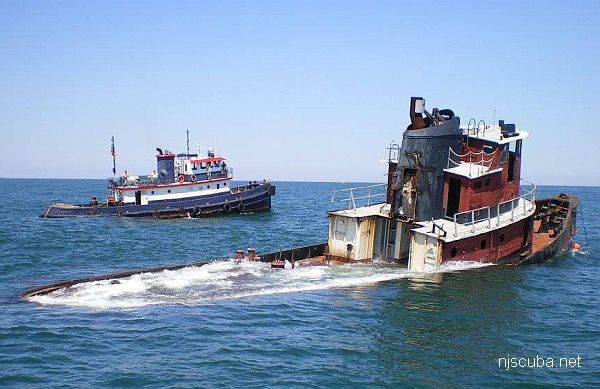
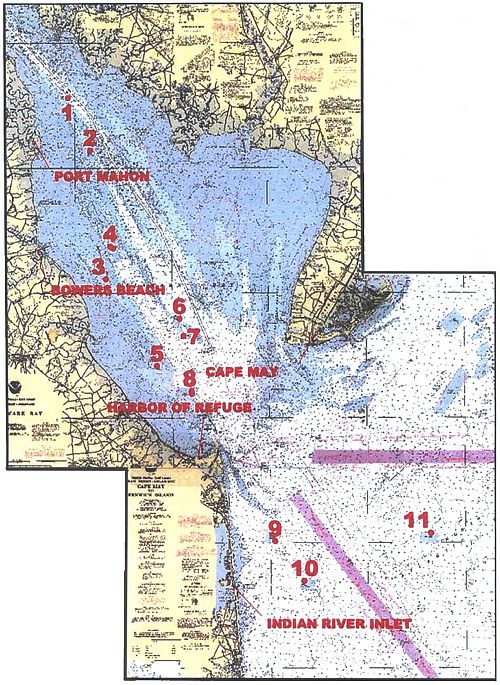
Site #8 has a 70' tugboat "Golden Eagle". Site #6 has a 120' barge. Site #1 has a 40' pilot boat. Other than that, the Delaware Bay reefs are all concrete rubble.
- Delaware 2015-2016 Reef Guide
- Delaware 2009-2010 Reef Guide
- Delaware 2005 Reef Guide
- Delaware Artificial Reef Program
- Youtube | Instagram | Farcebook
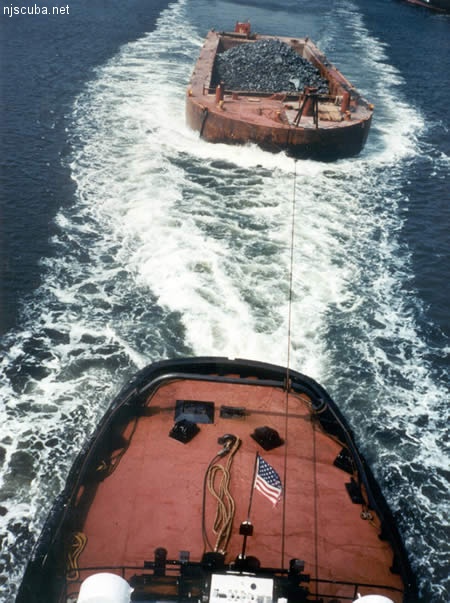
All manner of concrete, steel, and stone rubble from dredging, demolition projects, and other construction is used as artificial reef materials. This material is generally available at very low cost or free from construction companies who are more than happy to get rid of it. Transportation costs determine where this material is used by the Reef Program.
More: Rock & Rubble ...
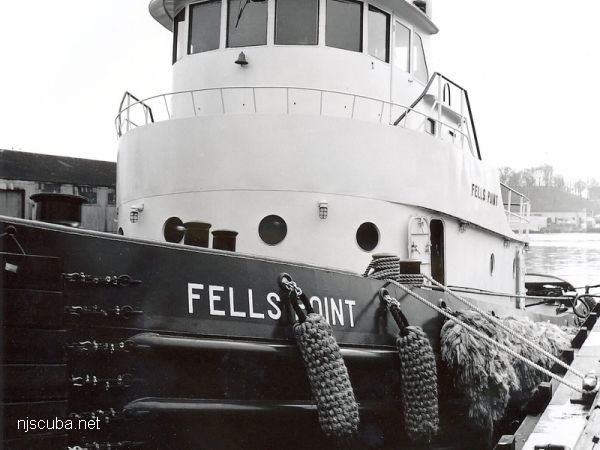
- Type:
- artificial reef, tugboat
- Built:
- 1956, Equitable Equipment Company, Madisonville, LA USA
- Specs:
- ( 110 ft )
- Sunk:
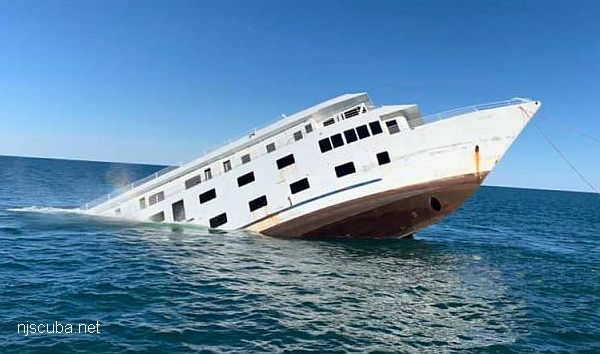
- Monday June 2, 2008 - Delaware #11 Artificial Reef
- GPS:
- 38°40.540' -74°43.957'
More: Fells Point ...
- Type:
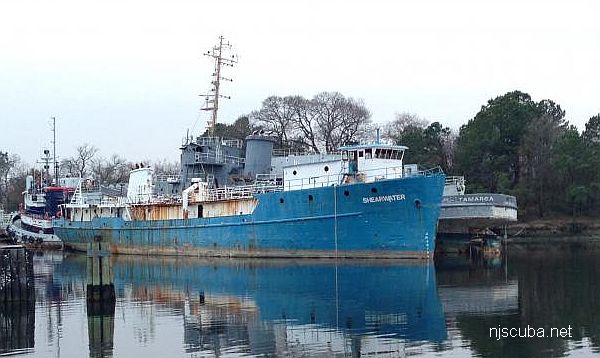
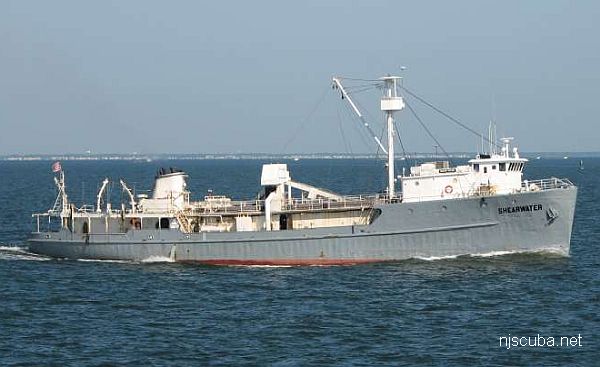
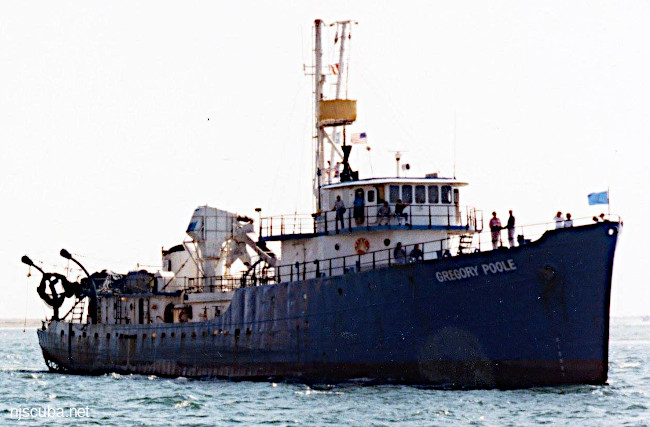
- artificial reef, minesweeper, US Navy, later converted to purse seiner
- Built:
- 1944, Tampa Shipbuilding, Tampa FL USA as AM-215 Cruise
- Specs:
- ( 184 x 33 ft ) 650 tons
- Sunk:
- Monday, Dec 10, 2007 - DelJerseyLand Artificial Reef
- GPS:
- 38°30.910' -74°30.597'
- Depth:
- 120 ft
More: Gregory Poole AM-215 ...
Cape May Chart
- Absecon Inlet
- USS Akron
- Alex Gibson
- Alexander
- Almirante
- American
- Astra
- Atlantus
- Azua
- Dorothy B Barrett
- Brigantine Beach Wreck
- USS Blenny
- boiler wreck
- Bonito
- Brian C
- Brigantine Inlet
- Brigantine Buoy Wreck
- Charles Morand
- Cape May Inlet
- Cassandra
- Cayru
- Champion
- USS Cherokee
- China Wreck
- City of Athens
- City of Georgetown
- Cleopatra
- Clermont
- Corson’s Inlet
- Crystal Wave
- William B Diggs
- dredge
- Admiral DuPont
- Elizabeth Palmer
- Elizabeth Warren
- Evening Star
- car float
- Florida
- Galimore's Cayru
- Gory Wreck
- Great Egg Inlet
- Gypsum Prince
- Hereford Inlet
- Hornet
- Hvoslef
- Independence Day
- India Arrow
- Indian River Inlet
- USS Jacob Jones
- John Marvin
- China Junk Wreck
- Kennebec
- King Cobra
- Lemuel Burrows
- Lake Frampton
- Lady Mary
- Linda Snow II
- Manhattan
- Marine Electric
- Miraflores
- Misty Blue
- Mohawk
- Montgomery
- USS Moonstone
- EF Moran
- Northern Pacific
- New Orleans
- USS Nina
- Nuphar
- Ocean Quest
- Oklahoma
- Patrice McAllister
- Pet Wreck
- Poseidon
- Ranald
- RJ Walker
- Southern Lillian
- USS S-5
- Salem
- Salem
- San Jose
- Sea Girt
- Sea Wolf
- Shookus
- Sindia
- Slabs
- General Slocum
- Southern Sword
- Townsend's Inlet
- Varanger
- Washingtonian
- Wayne
- Wily Fox
- YP-387
More: Cape May Dive Sites Chart ...
Delaware Bay
I doubt this is a good place to dive. Even without the river pollution, the bottom is muddy and the water is full of silt. If anyone knows anything different, let me know.
More: Delaware Bay ...
- Type:
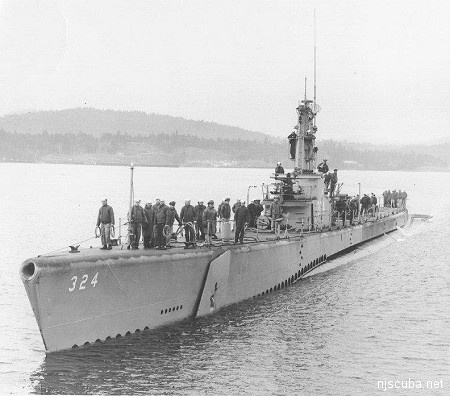
- shipwreck, Balao ( modified Gato ) class submarine, U.S. Navy
- Built:
- 1944, Electric Boat Company, Groton, CT USA
- Specs:
- ( 312 x 27 ft ) 1810 tons, no crew
- Sunk:
- Wednesday June 7, 1989
"Africa Queen" artificial reef, Maryland - Depth:
- 70 ft
More: USS Blenny SS-324 ...