
Mattituck Artificial Reef
Mattituck Artificial Reef
2.37 nautical miles northwest of Mattituck Inlet, 0.08 sq miles
Depth: 72 to 100 feet
This is a new reef for 2024.
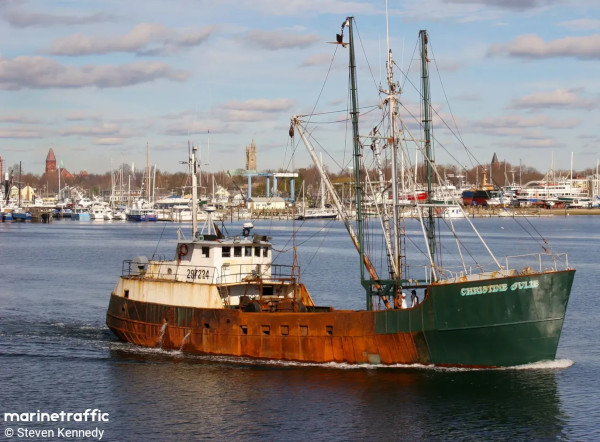
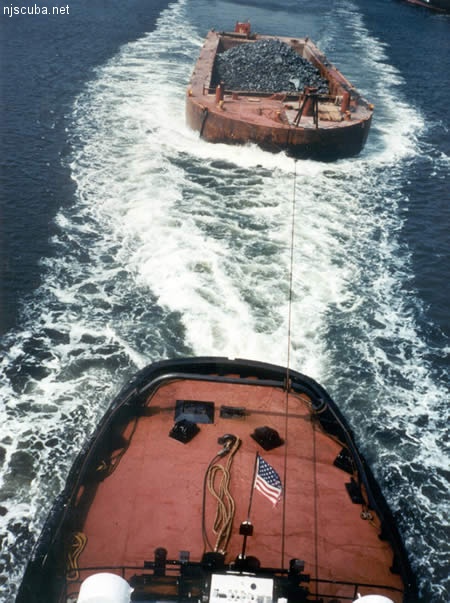
All manner of concrete, steel, and stone rubble from dredging, demolition projects, and other construction is used as artificial reef materials. This material is generally available at very low cost or free from construction companies who are more than happy to get rid of it. Transportation costs determine where this material is used by the Reef Program.
More: Rock & Rubble ...
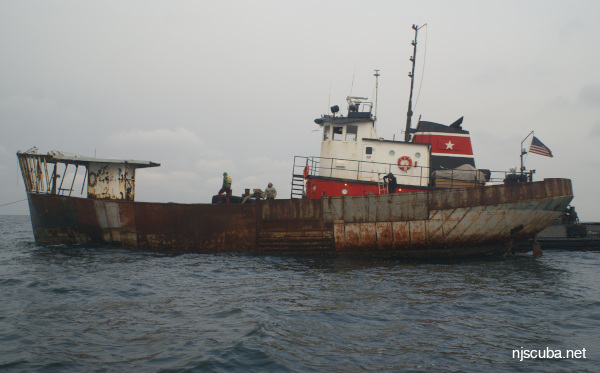
- Type:
- artificial reef, trawler, USA
- Built:
- 1964, Gladding-Hearn Shipbuilding, Somerset MA, as Joseph & Lucia II
- Specs:
- ( 88 x 23 ft ) 179 gross tons
- Sunk:
- Thursday January 4, 2024 - Mattituck Artificial Reef
- Depth:
- ~80 ft
- GPS:
- 40°03.396' -72°34.186'
More: Socatean ...
Questions or Inquiries?
Just want to say Hello? Sign the .