Huntington Artificial Reef

Huntington Artificial Reef

1.16 nautical miles northeast of Lloyd Point, 0.08 sq miles
Depth: 47 to 53 feet

This is a new reef for 2024. Also known as Oyster Point Artificial Reef. So far just concrete blocks and forms, no vessels.
Huntington Artificial Reef


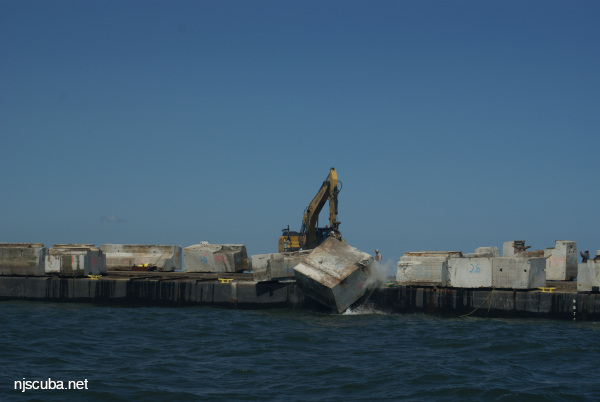
rock reef
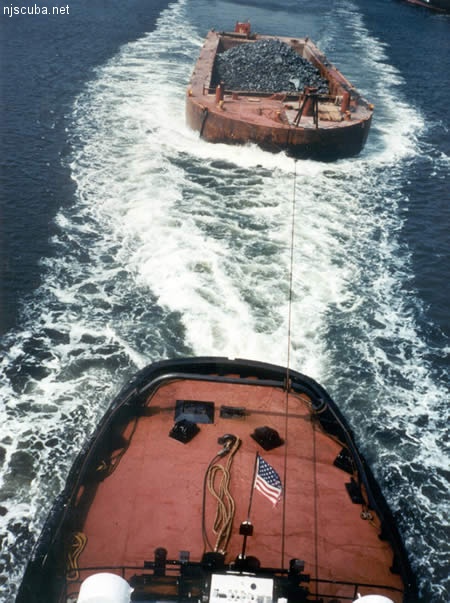
A hopper barge full of rock

All manner of concrete, steel, and stone rubble from dredging, demolition projects, and other construction is used as artificial reef materials. This material is generally available at very low cost or free from construction companies who are more than happy to get rid of it. Transportation costs determine where this material is used by the Reef Program.


Comments on Huntington Reef

Questions or Inquiries?

Just want to say Hello? Sign the .

Submit a Comment

Your email address will not be published. Required fields are marked *


Click image to replace if unable to read.

Enter the digits from the image above, except for the last one:

This site uses Akismet to reduce spam. Learn how your comment data is processed.


The heavyweight cold-water wetsuit is probably responsible for the premature demise of more nascent diving careers than any other factor. These awful things are simply uncomfortable and ineffective. For all the stiffness, squeezing, bulk, and extra weight of 5-7mm wetsuit, in the end, it really doesn't keep you warm, and most cold-water wetsuit divers are pretty miserable creatures. I have seen the constriction and topside overheating of one of these things make its poor wearer sick on dry land, never mind on a boat out at sea.

manual

For an excellent guide to drysuit use, pick up a copy of DUI's drysuit owner's manual, available at most dealers for under $10.

Or just download it.

The argument that heavy cold-water wetsuits are easier to use is patently false. A wetsuit has a mind of its own and will make wide depth-dependant swings in buoyancy over which the wearer has no control. How is that better than a drysuit, which the user can consciously trim for constant buoyancy during the descent, and which semi-automatically trims itself during ascent?