
Bayville barge

Bayville barge

Type:
shipwreck, barge, mini submarine (?)
Depth:
25 ft

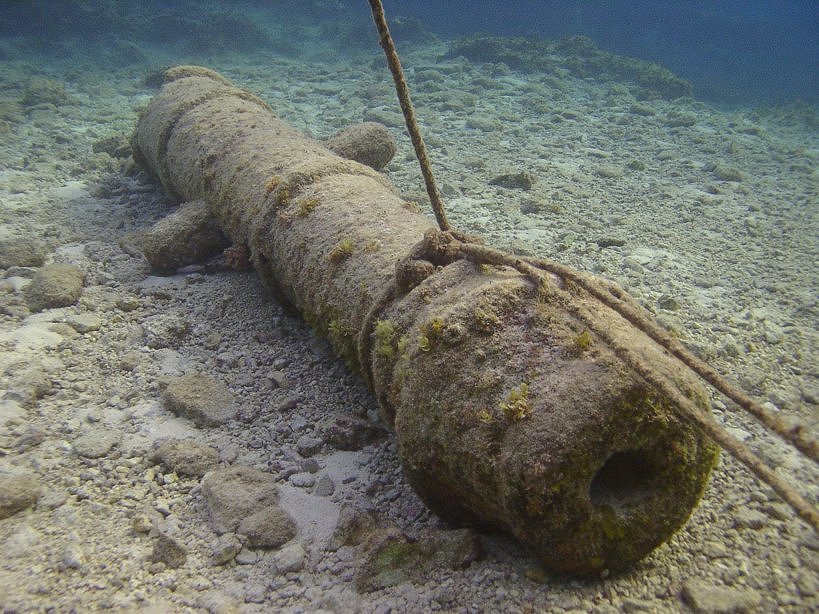
The visibility on this site varies. Average is 10-12ft. This site offers two wrecks which lie in 25 fsw. A British WWI two-man reconnaissance submarine and an old wooden barge. They are both within swimming distance from each other. The marine life is fair around these wrecks. There are a few car tires between the two wrecks and you may find an occasional lobster hiding inside them.

To locate the barge take a compass heading of 330 degrees from the pilings located on the east side of Greenwich Ave. It takes about 50 kick cycles to reach the wreck. To get to the submarine take a compass heading of 30 degrees from the same pilings. This can be reached in about 30 kick cycles. Both of the wrecks are not intact but make for a good dive.

Directions:
Take the LIE to exit 41 north. This is county road 106/107. Take this road until it splits and keep right and stay on 106. Go past Northern Blvd. And make a left on Berry Hill Rd. to the end. Make a left onto Shore Dr. and go to the end. Then make a right onto Bayville Ave. A few blocks on the left is Greenwich Ave.
Long Island Shore Diver

Comments on Bayville barge

Questions or Inquiries?

Just want to say Hello? Sign the .

Submit a Comment

Your email address will not be published. Required fields are marked *


Click image to replace if unable to read.

Enter the digits from the image above, except for the last one:

This site uses Akismet to reduce spam. Learn how your comment data is processed.


Klondike Rocks
The low, shelf-like structure of the rocks, which seldom rise
more than two feet above the bottom. Cunners

These low outcroppings appear in small to large patches over a two-mile area called the Klondike, and elsewhere, at depths ranging from 60 to 90 feet. The overhangs, crags, and holes afforded by the piles of rocks and boulders provide excellent homes for fish and lobsters. Visibility can be great here at times, but it is usually 10-20 ft, with a silty bottom in most places. The larger areas extend for many hundreds of feet, and an incautious diver can easily get lost. The stone itself is a type of sandstone known as Greensand, which occurs along the northern part of the New Jersey coast, and parts of Long Island, most famously as the Shrewsbury Rocks.