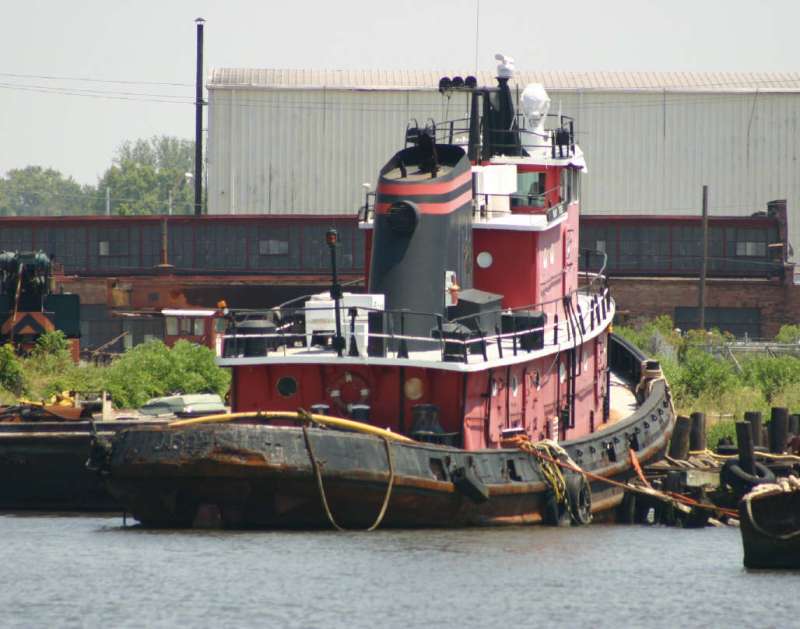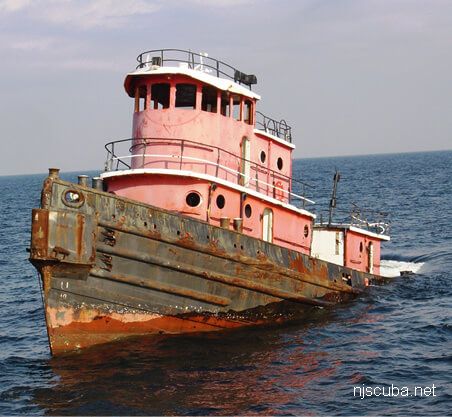
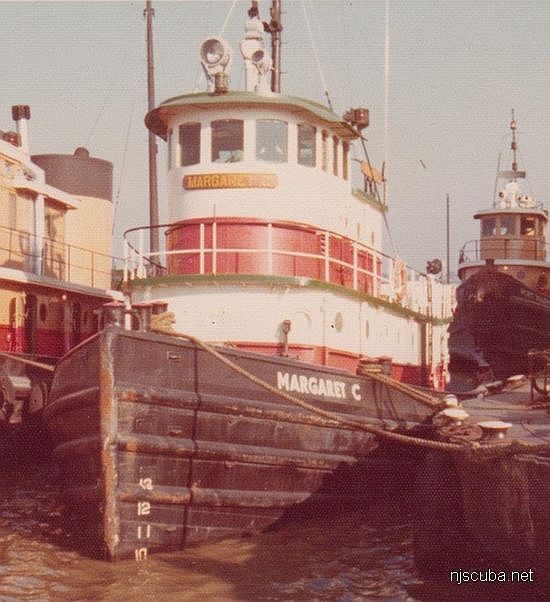
Bay Tide

Delaware Artificial Reef #11
Type:
artificial reef, tugboat
Built:
1958, Gulfport Shipbuilding, Port Arthur, TX, as Margaret C
Specs:
( 110 ft )
Sunk:
Tuesday Jan 30, 2009 - Delaware #11 Artificial Reef
GPS:
38°40.540' -74°43.957'
Delaware Artificial Reef #11

Built in 1958, by Gulfport Shipbuilding of Port Arthur, Texas ( hull #525 ) as the Margaret C. for the A.L. Mechling Barge Lines of Joliet, Illinois. In 1978, the tug was acquired by the Crescent Towing and Salvage Company of New Orleans, Louisiana, and renamed Jason Smith. In 2000, she was acquired by Robbins Maritime Incorporated of Norfolk, Virginia, where she was renamed Bay Tide. She was a single screw tug, rated at 1,800 horsepower.

tugboatinformation.com
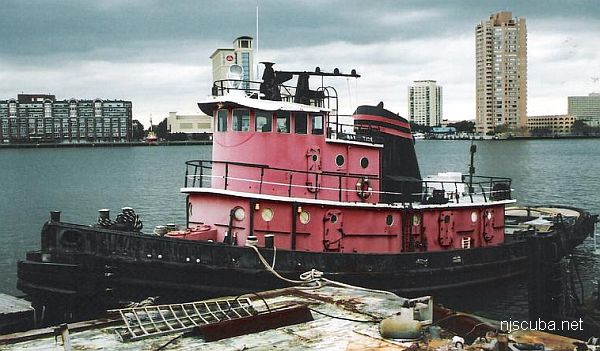
Delaware Artificial Reef #11

Comments on Bay Tide

Questions or Inquiries?

Just want to say Hello? Sign the .

Submit a Comment

Your email address will not be published. Required fields are marked *


Click image to replace if unable to read.

Enter the digits from the image above, except for the last one:

This site uses Akismet to reduce spam. Learn how your comment data is processed.


bug
This little guy will be safe from divers for a while. Notice how the tailings of his excavation are a different color than the surrounding bottom.

Lobsters, like most invertebrates, have a much slower nervous system than our own. In tiny creatures, such as insects, this is no great disadvantage, since their "wire runs" ( or nerves ) are so short. However, in bigger invertebrates, this translates into very long reaction times. Therefore, big lobsters have slow reflexes, much slower than even humans. Another common invertebrate trait is a lack of stamina, at least compared to us. In other words, they tire quickly in a chase. This is not to say that they lack tenacity - once they get a good grip on you, they can hold on forever, and even breaking the claw off may not cause it to release.