Beach Haven

Beach Haven reef
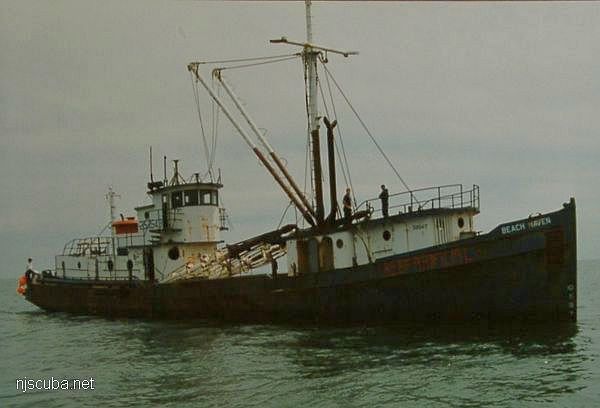
Originally built for menhaden fishing, converted to clam dredge.
Type:
artificial reef, purse seiner, clam dredge, USA
Built:
1949, RTC Shipbuilding, Camden NJ USA
Specs:
( 125 x 21 ft )
Sponsor:
Gifford Marine Company, Fish America Foundation, Artificial Reef Association
Sunk:
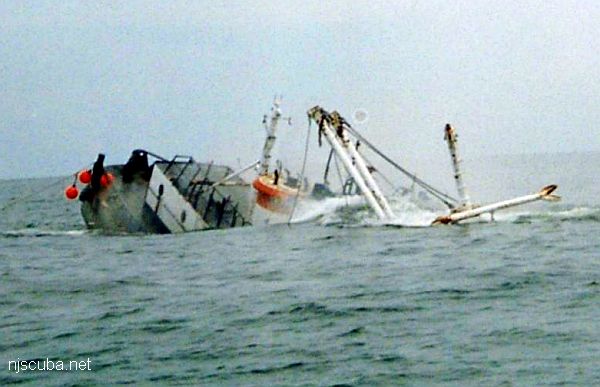
Thursday August 6, 1992 - Atlantic City Artificial Reef
GPS:
39°15.340' -74°14.017'
Beach Haven reef
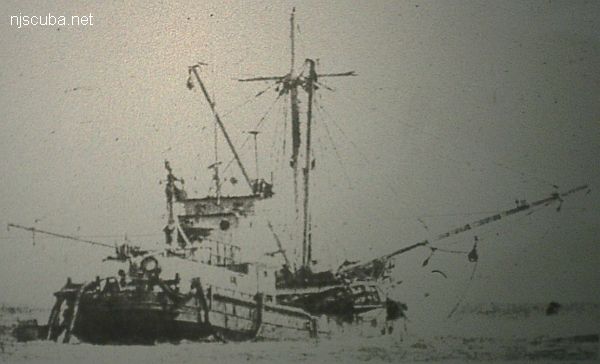
Beach Haven aground in Barnegat Inlet March 23, 1983. The vessel took a pounding before it was freed. It was never put back in service.
Beach Haven reef

257548


Comments on Beach Haven

Robert Bowles:

January 4, 2025 at 1:28 AM

The Beach Haven was part of the Smith Oil Company fleet along with the vessels Brigantine, Sea Girt, Absecon, Cape May, Delaware, and a number of other vessels. They fished from New Jersey down to Beaufort, NC, and also in the Gulf of Mexico off of Texas and Louisiana. Robert Bowles was captain of the Beach Haven, Charles Bowles was captain of the Brigantine, and Russel Bowles was captain of the Absecon. They were brothers from Reedville, VA

Robert Bowles:

January 4, 2025 at 1:11 AM

My father, William Robert Bowles was captain of the Beach Haven when she was a Menhaden fishing vessel and owned by Smith Oil Company. They moved the Pilot House from the bow that was over the galley and crew sleeping quarters to the stern over the engine room for her conversion to a clam boat. I believe Dad was awarded “Top Boat” in 1959 and 1960.

Questions or Inquiries?

Just want to say Hello? Sign the .

Submit a Comment

Your email address will not be published. Required fields are marked *


Click image to replace if unable to read.

Enter the digits from the image above, except for the last one:

This site uses Akismet to reduce spam. Learn how your comment data is processed.


Type:
shipwreck, barge
Sunk:
March 2004
foundered under tow
Depth:
60 ft

This medium-sized crane barge sank under tow in March 2004. The barge is upside-down, but propped up at a 30-degree angle by the crane, rising 30 feet off the bottom at the highest point. The crane is a large rotating affair that is permanently mounted on the barge. It is not the crumpled arm of the crane that supports the hull, but the central cab, so the wreck is stable, and it is safe to explore the cavernous dark space below. The bottom is coarse sand and pea gravel. Eventually, the wreck will crush flat, but that will probably take several years, and until then this is a fun and interesting site. Big eels, Sea Bass, and even one or two lobsters can be found here.