Ships (16/50)

A ship is a large watercraft that travels the world's oceans and other sufficiently deep waterways, carrying goods or passengers, or in support of specialized missions, such as defense, research, and fishing. Ships are generally distinguished from boats, based on size, shape, load capacity, and tradition.

 1  15 16 17  50  


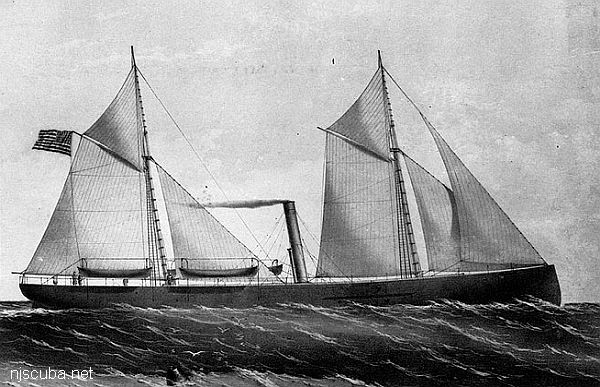
Type:
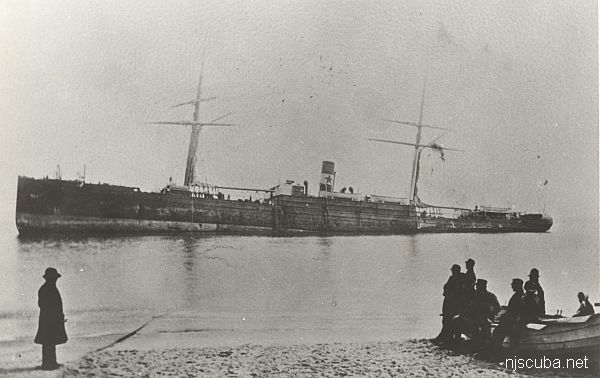
shipwreck, sailing ship
Built:
Russell Ship Building Company, East Deering ME, 1873
Sunk:
Saturday December 14, 1907
ran aground 72 mph gale - no casualties (incredible)
Depth:
25 ft

Shipwreck Edward H. Cole
Type:
shipwreck, schooner, USA
Built:
1904, Cobb Butler & Co, Rockland ME USA
Specs:
( 228 x 43 ft ) 1791 gross tons
Sunk:
Sunday June 2, 1918
bombed by U-151 - no casualties
Depth:
185 ft


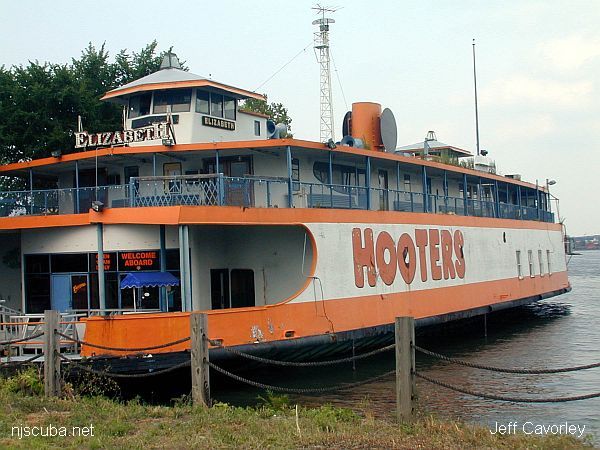
Hooters reef
An undignified end for the sole remaining CRRNJ ferry Elizabeth
Type:
artificial reef, ferry, Central Railroad of New Jersey, USA
Name:
All CRRNJ ferries were named for New Jersey towns - Lakewood, Bound Brook, Red Bank, Plainfield, Elizabeth, Wilkes Barre, Cranford, Somerville, Westfield, and Bound Brook
Built:
1901, Harlan & Hollingsworth Wilmington DE USA, as Lakewood
Specs:
( 200 x 44 ft ) 1016 gross tons
Sponsor:
NJ Coast 2005 Initiative
Sunk:
Wednesday August 3, 2005 - Cape May Artificial Reef
GPS:
38°50.682' -74°43.078'
Depth:
75 ft


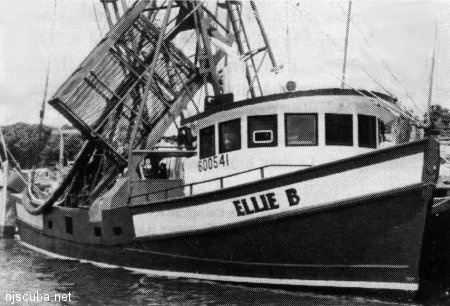
Shipwreck Ellie B
Type:
shipwreck, clam dredge, USA
Built:
1978, Ancient City Boat Yard, St. Augustine, FL USA
Specs:
( 68 ft ) 3 crew
Sunk:
January 17, 1999; ran up on jetty
no casualties
Depth:
15 ft


lift bag
lift bag

Lift bags are commonly used for recovering heavy objects from the bottom. The bag is simply tied on, inflated from a regulator, and shot to the surface. An often-overlooked use for a lift bag is to get yourself to the surface in a safe manner when you have become lost and can't find the anchor, or if the anchor has pulled out of the wreck. Using your reel as described above, you can shoot a bag directly to the surface and then ascend on the line.

However, under such circumstances, I prefer to get myself off the bottom and up to my decompression or safety stop depth as quickly as possible, and then deploy a bag to the surface using a short length of line attached to the bag for just that purpose. Either way, the bag marks your position for the crew of the dive boat. You should write your name in bold letters on your bag, so you can be identified before you surface. The bag will also keep you from being sucked down to the bottom if there is a strong current. Most lift bags have open bottoms. A bag like this can hit the surface, tip over, and deflate. For self-rescue, as described, you should use a bag with a self-closing bottom.