Ships (24/50)

A ship is a large watercraft that travels the world's oceans and other sufficiently deep waterways, carrying goods or passengers, or in support of specialized missions, such as defense, research, and fishing. Ships are generally distinguished from boats, based on size, shape, load capacity, and tradition.

 1  23 24 25  50  

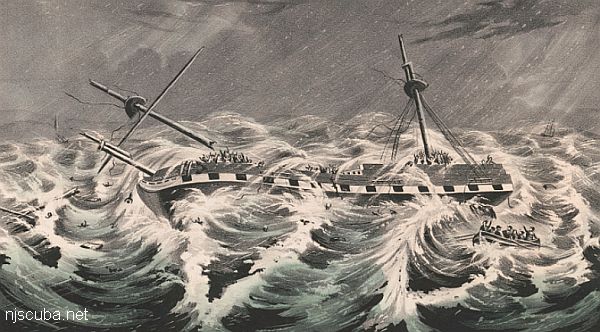
Shipwreck John Minturn
Type:
shipwreck, sailing ship, USA
Built:
1841, Westerly RI USA
Specs:
( 119 x 27 ft ) 398 tons
Sunk:
Thursday February 15, 1846
ran aground in storm - approximately 10 survivors and 40 dead
Depth:
20 ft


Kathy & Maria Barges reef
Type:
artificial reef, barge, canal ( cut in two )
Specs:
( 32 x 13 ft each piece )
Sponsor:
Ocean City Marlin & Tuna Club, Cape May County Party & Charter Boat Association
Sunk:
Wednesday/Thursday June 22/23, 1997 - Ocean City Artificial Reef
GPS:
Kathy: 39°10.719' -74°33.259'
GPS:
Maria: 39°10.814' -74°33.044'

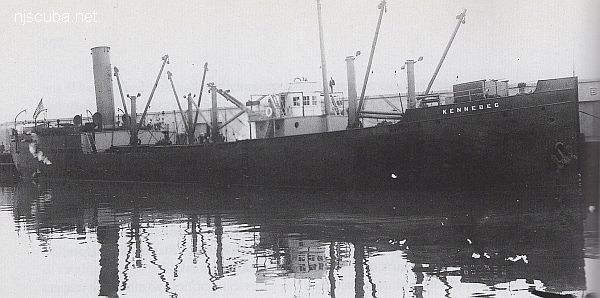
Shipwreck Kennebec
Type:
shipwreck, freighter, USA
Name:
Kennebec is a county and a major river in the state of Maine.
Built:
1901, Jenks Shipbuilding, Port Huron MI USA
Specs:
( 243 x 43 ft ) 2183 gross tons, 29 crew
Sunk:
Saturday June 18, 1921
sprung a leak - no casualties

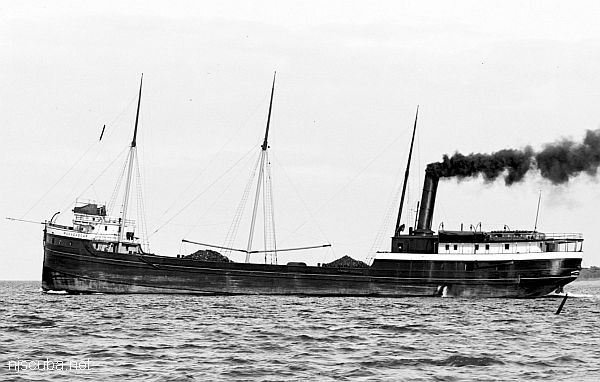
Shipwreck Kenosha
Type:
shipwreck, collier, USA
Name:
Kenosha, the seat of Kenosha County, is a city in southeastern Wisconsin on Lake Michigan.
Built:
1894, Davidson Shipbuilding, West Bay City MI USA, as Madagascar
Specs:
( 244 x 37 ft ) 1677 gross tons, 12 crew
Sunk:
Saturday July 24, 1909
foundered in storm - no casualties
Depth:
100 ft


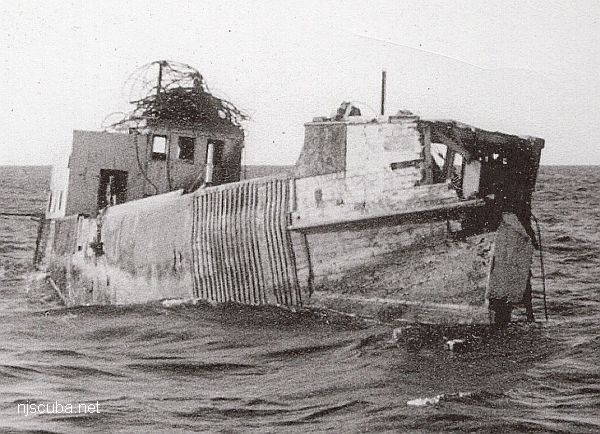
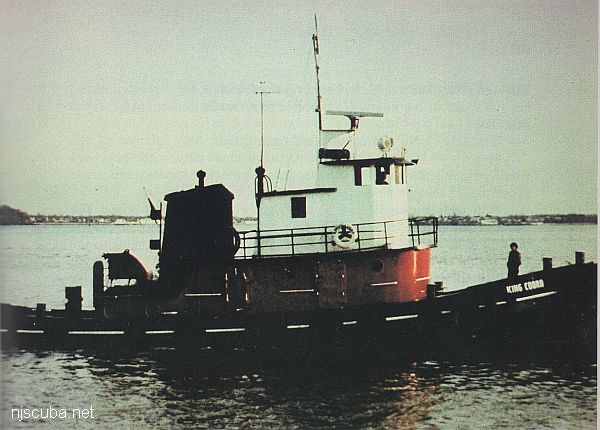
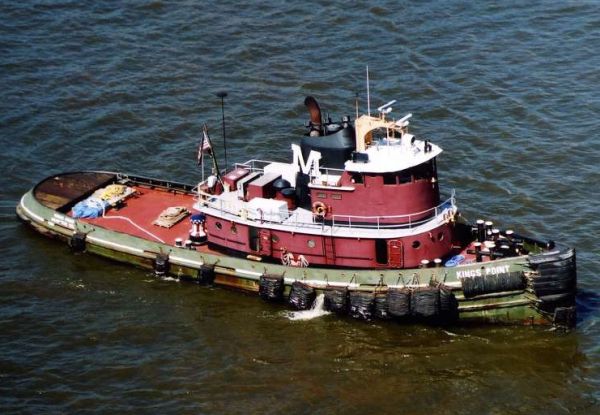
Shipwreck King Cobra
Type:
shipwreck, tugboat, USA
Built:
1887, Philadelphia PA USA, as Beverly Francis
Specs:
( 67 x 16 ft ) 52 gross tons, 4 crew
Sunk:
Wednesday January 3, 1979
unknown cause - no survivors
Depth:
45 ft


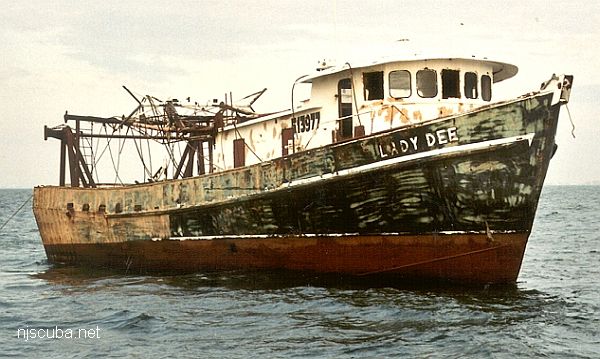
Vandegrift reef
Type:
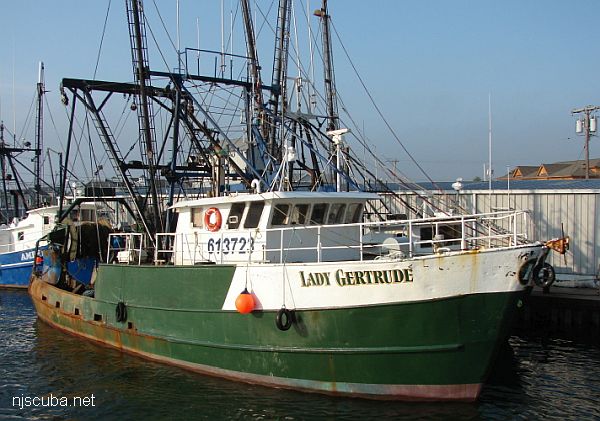
artificial reef, trawler, USA
Built:
1968, Graham Boats, Pascagoula MS USA as Lady Ann
Specs:
( 78 ft )
Sponsor:
family & friends of Ray Vandegrift
Sunk:
Friday March 26, 2004 - Wildwood Artificial Reef
GPS:
38°57.414' -74°41.500'


The Buoyancy Compensator or BC is thought of primarily as a flotation device, and for warm-water divers with not much more than a single tank and reg, this is pretty much all it needs to be. However, for cold-water divers, the BC serves another and equally if not more important function: it is the base around which all the rest of your gear is assembled. For cold-water diving, a BC may be called upon to support multiple tanks, weights, gauges, bags, and myriad accessories - much more equipment than a tropical diver would ever carry. And not all BC designs are equally good at this.

BCs come in essentially two styles: the jacket style, where the entire BC is sewn into something like an inflatable vest, and the "tech" style, which consists of a web harness to which a back-mounted air bladder is attached for floatation. One thing that most beginners do not realize is that if you planned your dive and weighting correctly, you should be carrying very little air in your BC during your dive; especially true if you use a drysuit. Therefore, many of the manufacturer's big selling points of "interconnected three-dimensional air cells" and the like are more specious marketing hype than useful features, and the old inverted-U back bladder ( clearly descended from an automobile inner tube ) will work just as well as the much more complex and expensive designs, and sometimes better.