Objects
A Glittering Piece of History is Recovered From the Briny Deep
ASSOCIATED PEST
July 25, 2004

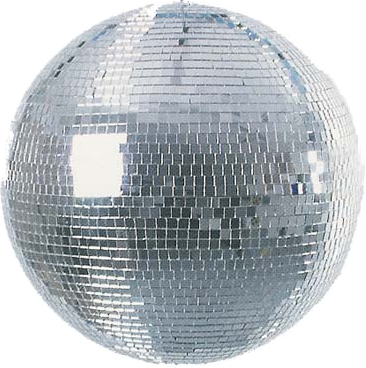
Deep Sea Defectives is proud to announce the recovery of the Andrea Doria's disco ball. World-famous deep-sea scuba diver John Chatterbox found the ball after mining hidden nuggets from blueprints and records of the vessel to determine its most likely location. He then did a hazardous penetration deep into the bowels of the wreck, which is lying on its side in crazy deep lotta water.
Right: Chatterbox "gets down" with some hot wreck-diving moves
More: Disco Ball ...
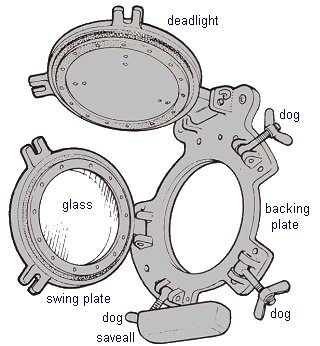
Portholes are used to let light and air into a ship. They are usually constructed of brass for corrosion resistance, which makes them highly desirable as collector's items. The drawing at right shows all the major parts:
- The immovable backing plate, bolted to the vessel's hull, which carries the hinges for the swing plate and deadlight
- The glass swing plate, which is secured shut by large butterfly nuts called 'dogs'
- The deadlight, used when it is desired to black-out the vessel, as in time of war
More: Portholes & Deck Lights ...
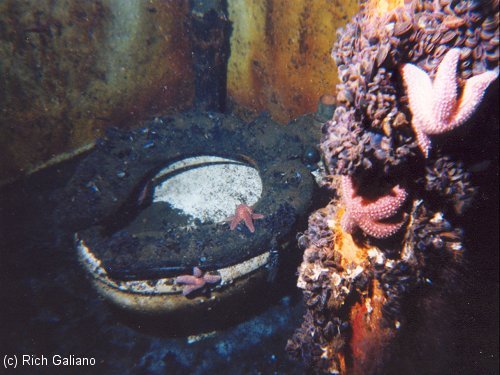
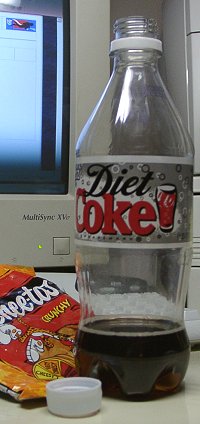
What I know about antique glass bottles wouldn't cover both sides of a matchbook. But here are some excellent links on the subject, so you too can learn the difference between a pontil and a blob:
Miscellaneous Links:
Right: Plastic Coke bottle with screw top
More: Bottles ...
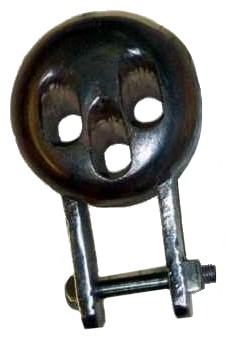
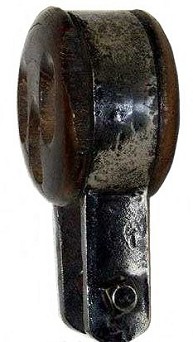
Deadeyes (above and right) and blocks (below) were used in the rigging of old-time sailing ships. In either case, the purpose was to gain mechanical advantage through the use of compound pulleys. This was especially necessary in the days before powered winches, when the only working force onboard was literally manpower.
More: Deadeyes & Blocks ...