Bottles

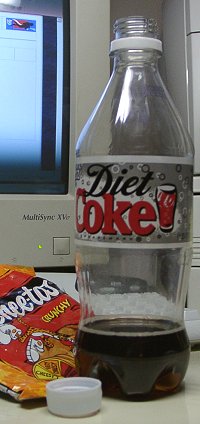
plastic coke bottle

What I know about antique glass bottles wouldn't cover both sides of a matchbook. But here are some excellent links on the subject, so you too can learn the difference between a pontil and a blob:

Miscellaneous Links:

Right: Plastic Coke bottle with screw top

bottle
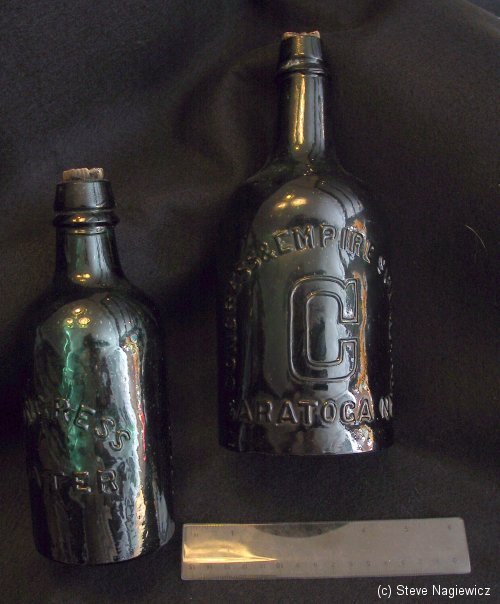
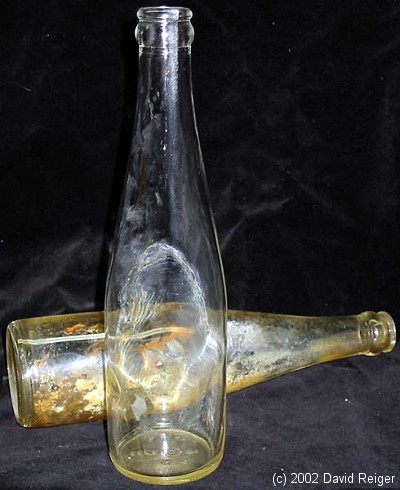
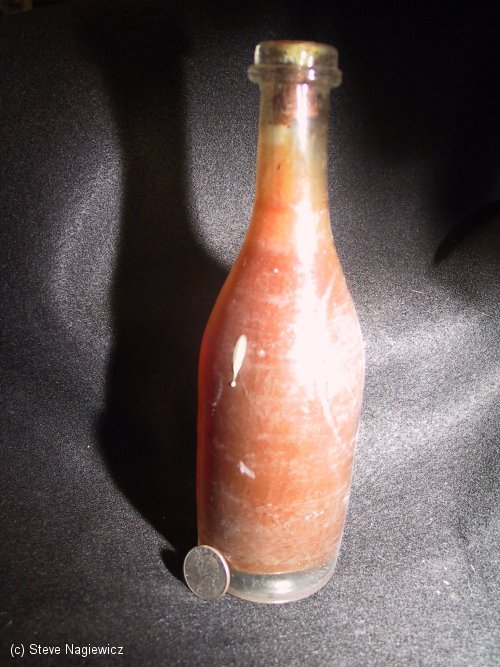
Hand-blown beer bottle of the 1870s, from the "Emerald" wreck
bottle
More bottles from the Emerald
bottle
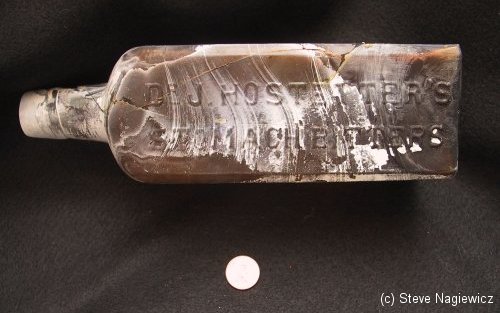
Dr. J. Hostettler's Stomach Bitters from the Emerald
bottle
bottle
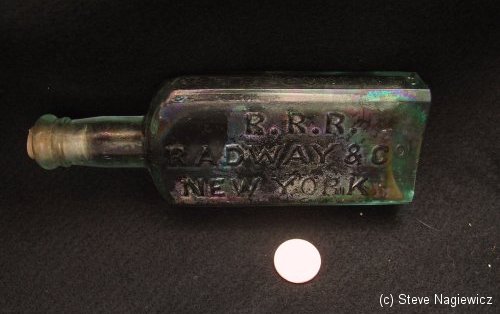
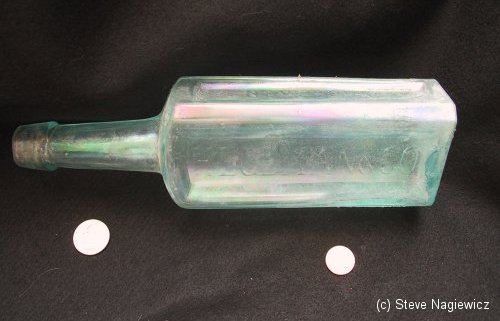
Miscellaneous 1860s bottles from the Emerald
bottle
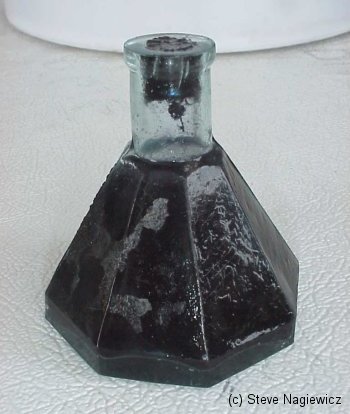
Inkwell from the Emerald
bottle
Modern Miller beer bottles from the Delaware Water Gap train wreck.
bottle
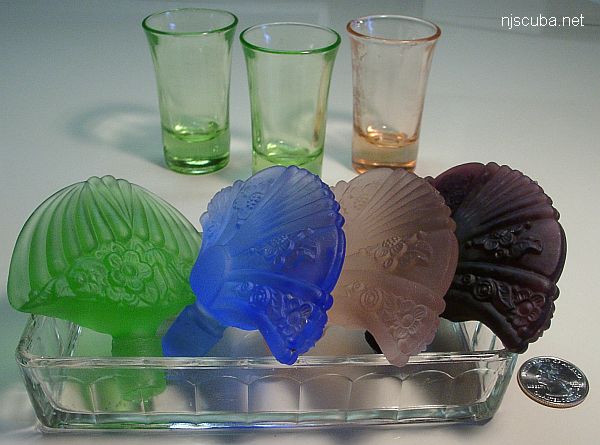
Glass perfume stoppers, shot glasses, and bar dish. The perfume bottles were equally ornate, but all smashed. It must have been cheap perfume anyway since good perfume doesn't come in big bottles! The glass dippers on the bottom of each stopper were also broken off.
bottle
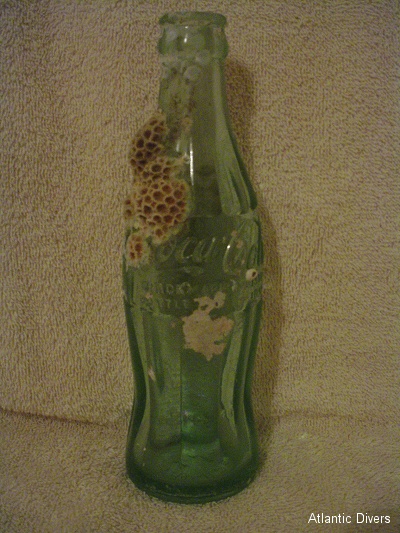
Another bottle from the Mohawk. This was more likely tossed in by a fisherman than actually sunk in the wreck, but still, you don't see these anymore.

Nitrox

Human lungs are designed to extract the oxygen we need from air - a mixture of roughly 21% oxygen and 79% nitrogen, at a pressure of one atmosphere ( about 14.7 psia.) As you dive deeper and longer while breathing air, the increased pressure causes ever-greater amounts of both gases to dissolve in your blood and tissues. One would expect that eventually, such elevated concentrations would become troublesome, and indeed that is the case. As it turns out, nitrogen, with its greater concentration in the air, is the first gas to become a problem during a dive to recreational depths ( <130 ft. )

This problem is that of "off-gassing", or decreasing the concentration of dissolved nitrogen in the body at a rate that does not cause bubbles of the gas to form in the tissues and blood, the condition commonly known as the bends. One way to delay the onset of this problem is to decrease the concentration of nitrogen in the breathing gas, and the easiest way to do this is simply by increasing the concentration of oxygen. The resulting mixture is typically known as Enriched Air Nitrox and has become a staple in the diving community.