China & Silverware (1/2)

China from the shipwreck SS Mohawk
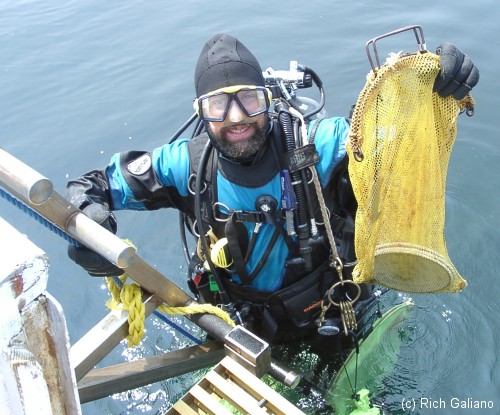
China makes happy divers
China from the shipwreck SS Mohawk
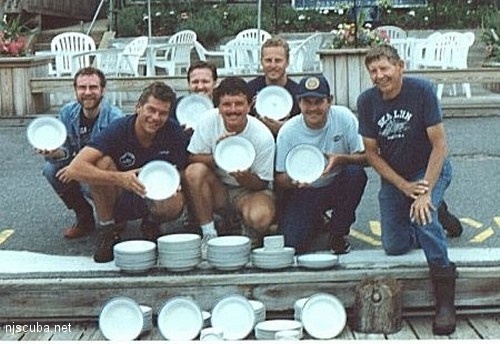
Divers with part of over 1000 dishes recovered from the Mohawk in 1996
China from the shipwreck SS Mohawk
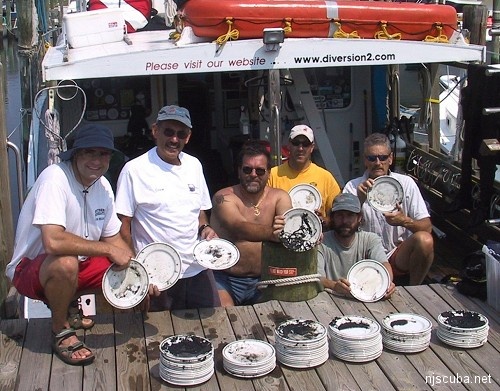
2004 - there are still plenty more to be found
China from the shipwreck SS Mohawk

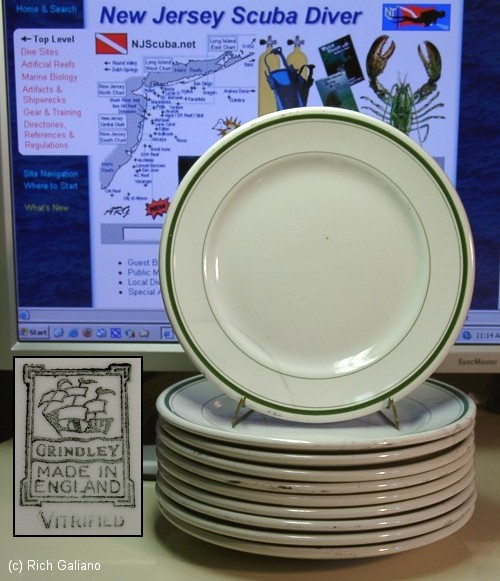
A stack of 9" dishes from the Mohawk (1935), some of many recovered in 2004. The inset shows the manufacturer's stamp on the back. "Vitrified" refers to the shiny non-porous glaze. The Grindley company is still in business, since 1889.

These dishes were part of the cargo, probably bound for Cuba, and are quite ordinary and unremarkable. If they had actually belonged to the ship, they would most likely bear the Line's name and emblem - in this case Clyde, Clyde-Mallory, or Ward ( the Mohawk changed hands several times. ) Apart from a few stains, they are perfectly usable, after 70 years buried in the shipwreck!
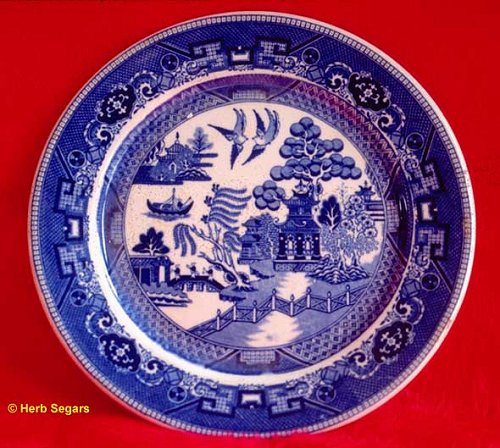
China from the shipwreck SS Mohawk
A fancy dish from the Mohawk
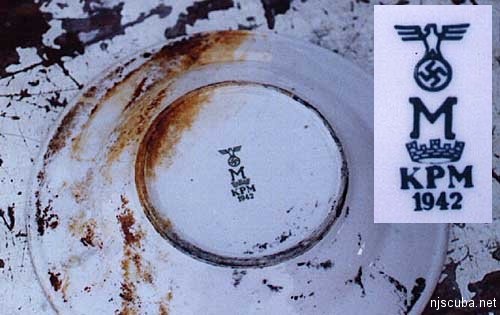
German Navy markings on a dish
German Navy markings on a dish from the U-869
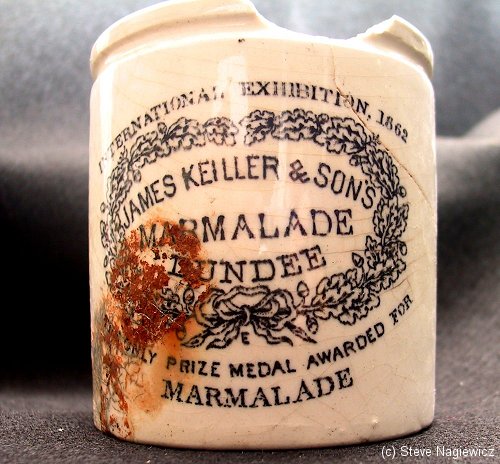
marmalade jar
An ordinary marmalade jar from 1870 - Emerald
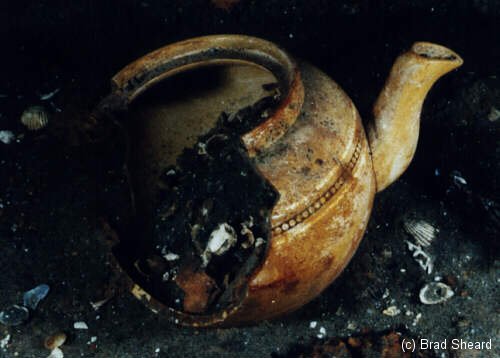
teapot
A broken teapot on the Carolina
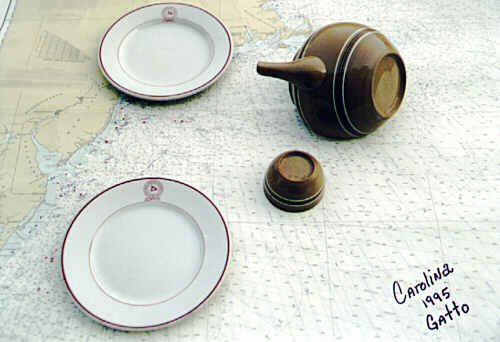
teapot
The same teapot, with some other pieces

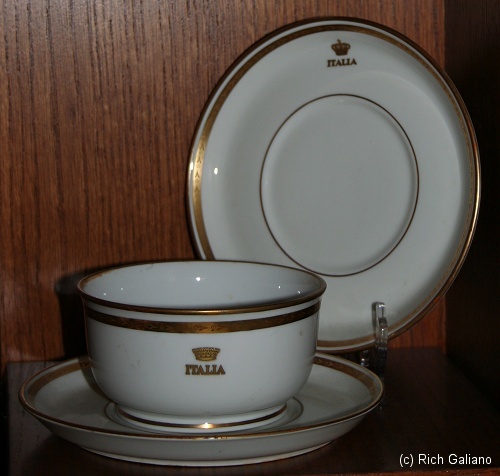
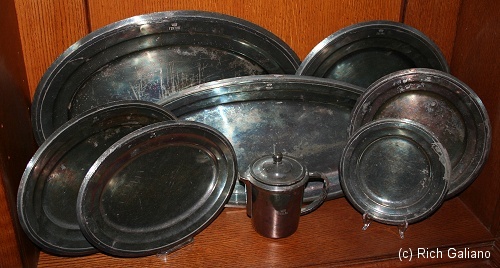
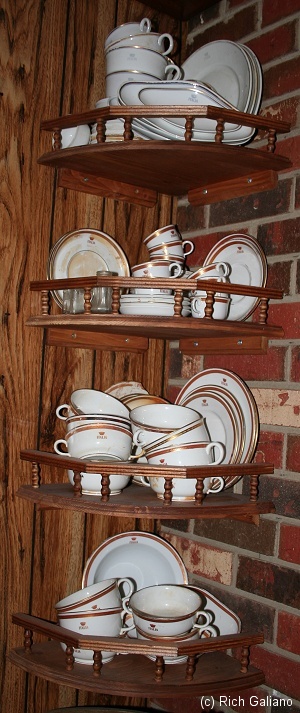
From the Andrea Doria:

China from the shipwreck Andrea Doria
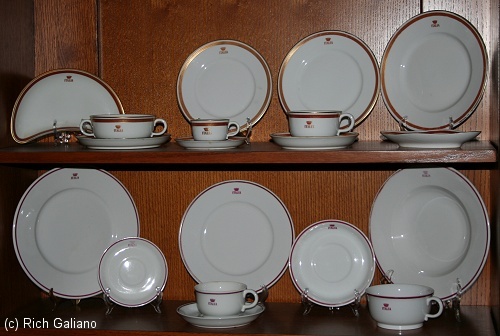
from the collection of Dan Crowell
China from the shipwreck Andrea Doria

Miscellaneous:

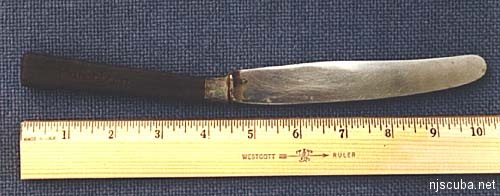
Horenberg knife
The now-famous "Horenberg knife" from the U-869
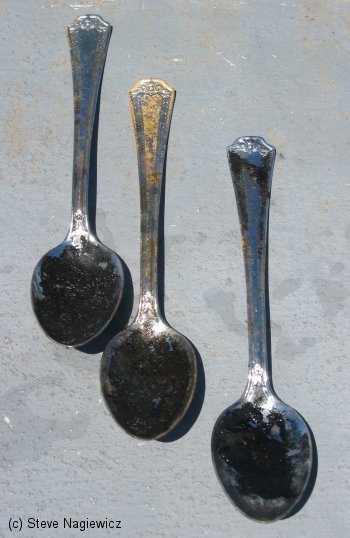
Cheap spoons from the shipwreck Mohawk
Cheap spoons from the Mohawk
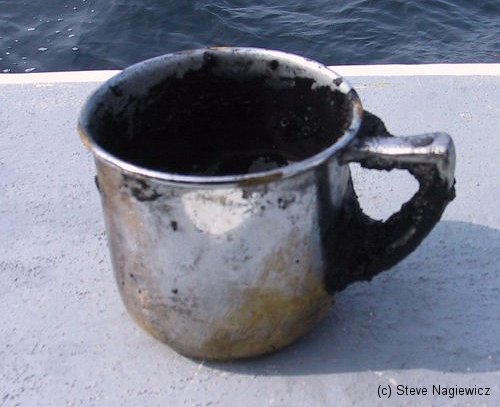
Cheap coffee cup from the shipwreck Mohawk
Cheap coffee cup from the Mohawk
 1 2  

copper penny

Copper, brass, and bronze are all relatively immune to saltwater corrosion. Brass artifacts of all sorts are easily cleaned up into shiny souvenirs for those who value them. Bright green copper sheets and tubes add color to many wrecks, while bronze is the material of choice for the most coveted of all diver's artifacts - a ship's bell.

Copper and some of its alloys have been used by humanity since the Bronze Age. One of the first metals known to humans, free copper was probably mined in the Tigris-Euphrates valley as long ago as the 5th century BC. Cyprus, from which the metal's name originally comes, was the primary source of copper in the ancient world.