ha ha ha

Or "heads", as real sailors call them.

head
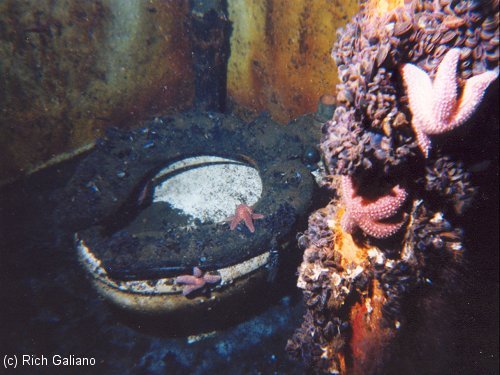
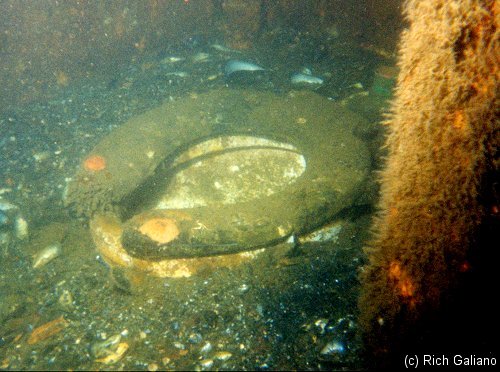
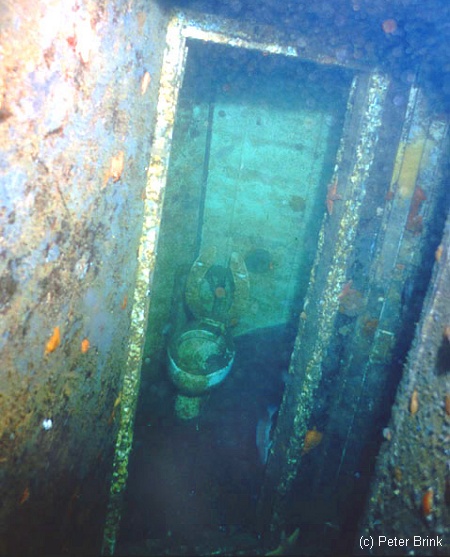
Here's an object that probably doesn't deserve to be recovered - the head on the Matt Turecamo.
head
Look at the difference between these two shots; the first in 1997, not long after the sinking, and the second in 2000. Hydroids have replaced mussels, and the floor is covered with a foot of silt.
head
head
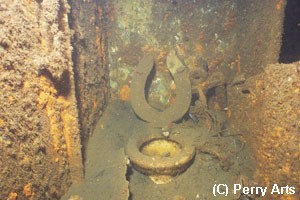
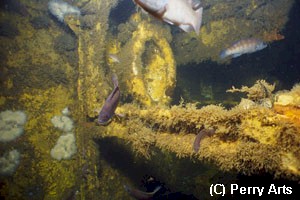
"Heads" on the Coney Island (top) and Great Isaac (bottom). Courtesy Perry Arts.
head
Head on the Mandy Ray

stop

Here is a description of recreational dive planning. The purpose here is to demonstrate basic dive planning and use of Dive Tables for non-divers who are interested in becoming certified but are worried about the complexities and math involved. Learning to use dive tables is usually the single most daunting classroom task for a student diver. It's really not all that hard.

The purpose of dive planning is to manage the Nitrogen gas that is absorbed into the tissues of your body while breathing air at higher-than-normal pressures underwater. If you absorb too much Nitrogen at depth and then ascend to normal atmospheric pressure, the gas will form bubbles in your blood and tissues. This is called Decompression Sickness, commonly known as "the bends." Decompression Sickness can vary in severity from barely noticeable to fatal, depending on your dive profile and other factors. The goal of no-decompression dive planning is to plan your dives in advance so that under no circumstances* can ascending to the surface result in Decompression Sickness.