
Ships (34/50)
A ship is a large watercraft that travels the world's oceans and other sufficiently deep waterways, carrying goods or passengers, or in support of specialized missions, such as defense, research, and fishing. Ships are generally distinguished from boats, based on size, shape, load capacity, and tradition.
More: Gallery of Ships ...
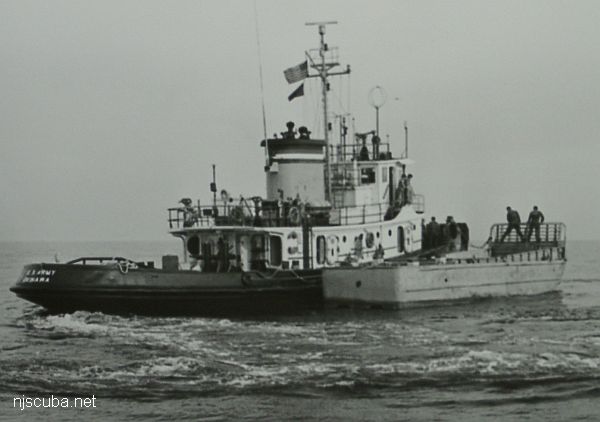
- Type:
- artificial reef, LCM-6 (Landing Craft-Mechanized, see "Captain Henry")
- Specs:
- ( 56 x 14 ft ) 64 tons
- Sponsor:
- Army Transportation Corps
- Sunk:
- Saturday November 14, 1987 - Cape May Artificial Reef
- GPS:
- 38°50.830' -74°42.510'
More: Peggy Diana LCM-6 ...
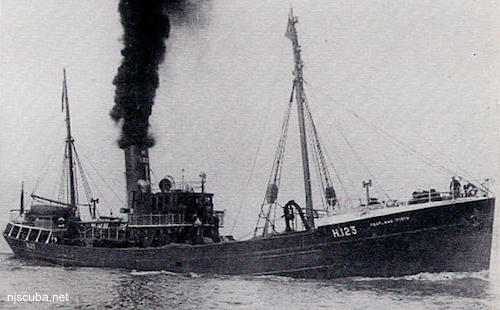
- Type:
- shipwreck, trawler, Royal Navy
- Name:
- Pentland Firth is the channel between the northern tip of Scotland and the Islands that form Scapa Flow, the great British naval base, and today one of the best wreck diving locales in the world.
- Built:
- 1934, England
- Specs:
- ( 164 x 27 ft ) 485 gross tons
- Sunk:
- Saturday September 19, 1942
collision with minesweeper trawler USS Chaffinch (400 tons) - ? casualties - GPS:
- 40°25.433' -73°52.204' (AWOIS 1991)
- Depth:
- 70 ft
More: HMS Pentland Firth ...
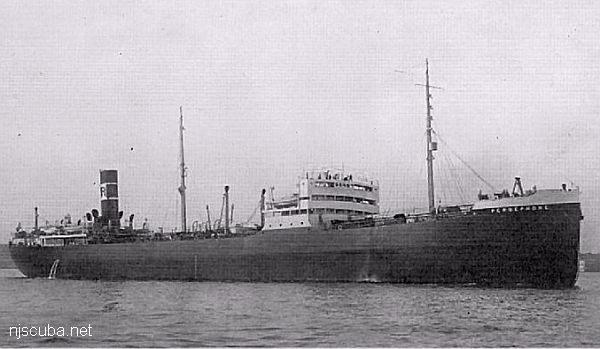
- Type:
- shipwreck, tanker, Panama
- Name:
- In Greek mythology, Persephone, the beautiful daughter of Zeus and Demeter, was abducted by Hades, the god of the underworld. Eventually, an agreement was reached wherein Persephone would spend part of the year with Hades in the underworld, and the rest with her parents in Olympus, resulting in the seasons: when she is away, her grieving mother, the earth goddess, ignores her duties and the earth becomes barren - winter.
- Built:
- 1926, Germany
- Specs:
- ( 468 x 63 ft ) 8426 gross tons, 37 crew
- Sunk:
- Monday May 25, 1942
torpedoed by U-593 - 9 casualties - Depth:
- 55 ft
More: Persephone ...
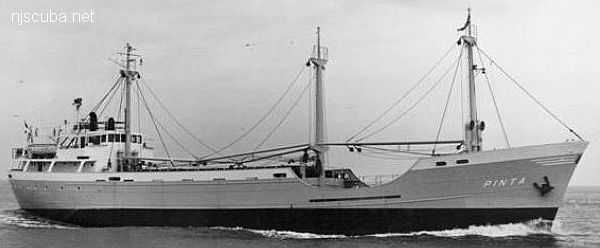
- Type:
- shipwreck, freighter, Netherlands
- Name:
- The Pinta was one of three sister ships named for Columbus' original three vessels, the Nina, the Pinta, and the Santa Maria.
- Built:
- 1959, Denmark
- Specs:
- ( 194 x 31 ft ) 1000 gross tons, 12 crew
- Sunk:
- Wednesday May 8, 1963
collision with freighter City of Perth ( 7547 tons) - no casualties - GPS:
- 40°13.827' -73°50.625' (AWOIS 1988)
- Depth:
- 85 ft, starts at 55 ft
More: Pinta ...
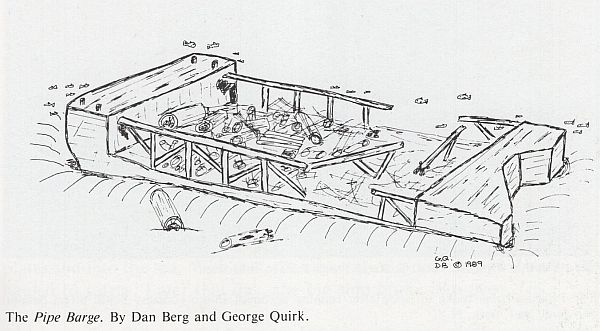
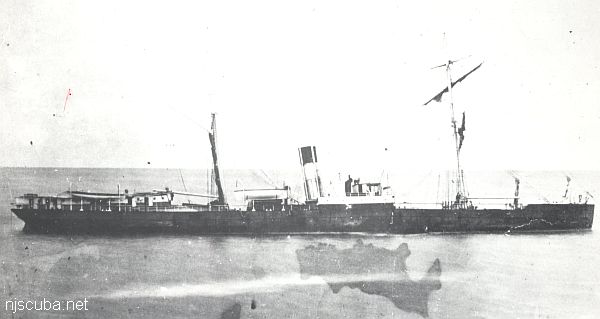
- Type:
- shipwreck, schooner barge
- Built:
- 1916, Elkton MD USA
- Specs:
- ( 199 x 24 ft ) 474 tons
- Sunk:
- Monday March 31, 1924
foundered in storm, 5 casualties ( see Pocono ) - Depth:
- 65 ft
More: Plymouth ...
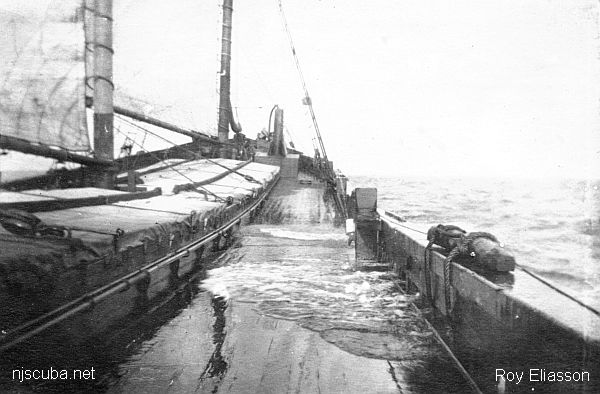
- Type:
- shipwreck, schooner barge, USA
- Built:
- 1906, Robert Palmer & Son, Noank CT, USA
- Specs:
- ( 177 x 35 ft ) 721 tons, 3 crew
- Sunk:
- Wednesday October 7, 1936
foundered in storm, no casualties - GPS:
- 40°12.204' -73°59.257' (AWOIS 1990)
- Depth:
- 50 ft
More: Pocopson ...
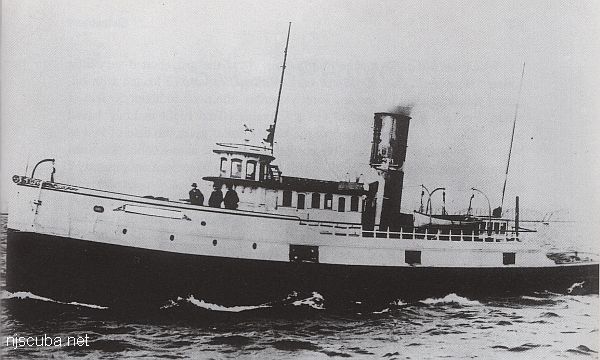
- Type:
- shipwreck, tanker, USA
- Built:
- 1863, USA
- Specs:
- ( 116 x 23 ft ) 159 tons
- Sunk:
- Wednesday February 7, 1940
struck pack ice - no casualties - Depth:
- 65 ft
More: Poling Brothers #2 ...
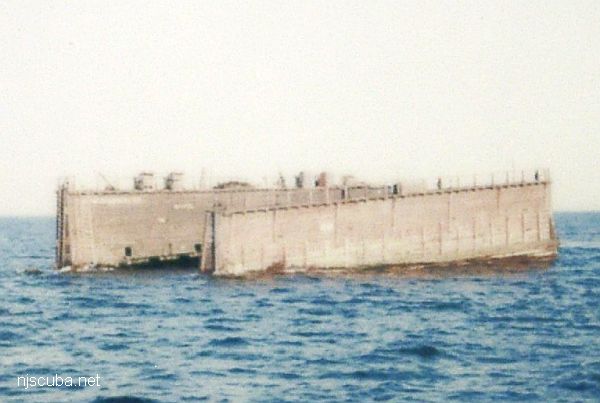
- Type:
- artificial reef, drydock barge
- Specs:
- ( 100 ft )
- Sunk:
- February 1979 - Sea Girt Artificial Reef
- Sponsor:
- Artificial Reef Committee
- Depth:
- 75 ft
- GPS:
- 40°07.759' -73°56.384'
More: drydock ...