Ships (49/49)

A ship is a large watercraft that travels the world's oceans and other sufficiently deep waterways, carrying goods or passengers, or in support of specialized missions, such as defense, research, and fishing. Ships are generally distinguished from boats, based on size, shape, load capacity, and tradition.

 1  47 48 49  

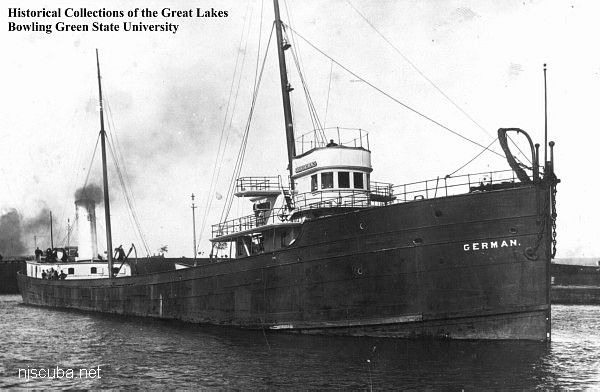
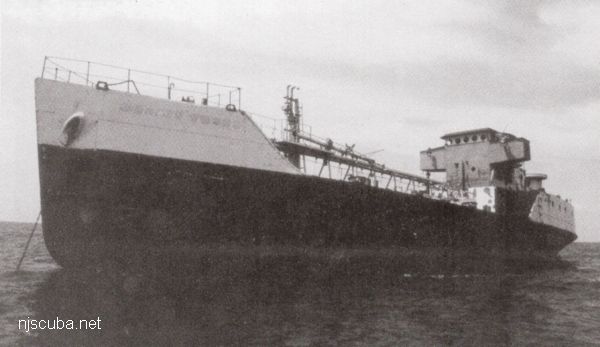
Shipwreck Yankee
Type:
shipwreck, Great Lakes freighter, USA
Built:
1890, AmShip Cleveland, Cleveland OH USA, as German
Specs:
( 296 x 40 ft ) 2418 gross tons, 30 passengers & crew
Sunk:
Wednesday June 11, 1919
collision with liner Argentina - no casualties
Depth:
110 ft


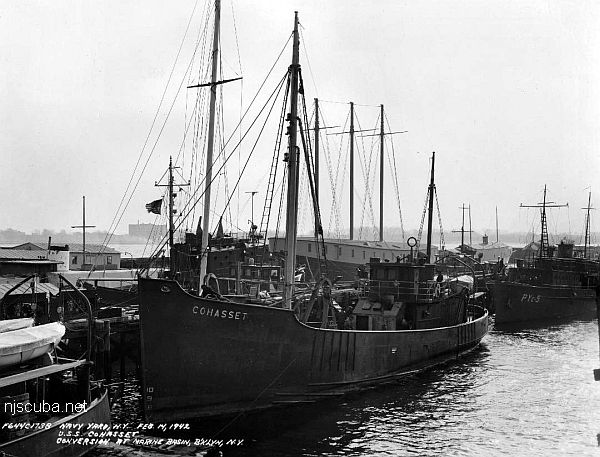
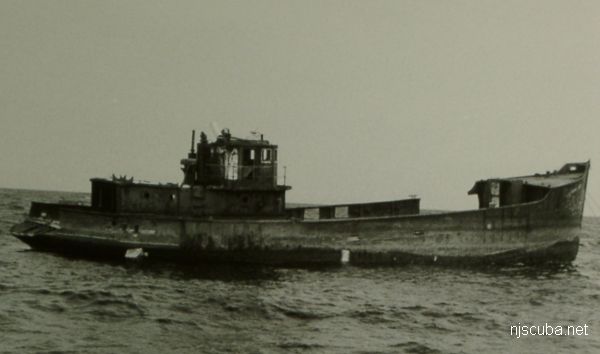
YP-389
Sister YP-389, built in the same yard at the same time to the same specs
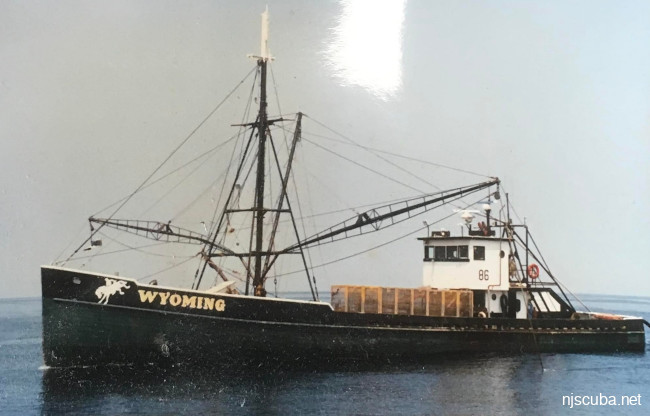
Type:
shipwreck, patrol boat, U.S. Navy, converted trawler
Built:
1941, Bethlehem Quincy, Quincy MA, USA, as Salem
Specs:
( 102 x 22 ft ) 301 tons, 21 crew
Sunk:
Wednesday May 20, 1942
collision with collier Jason - 6 casualties
Depth:
40 ft


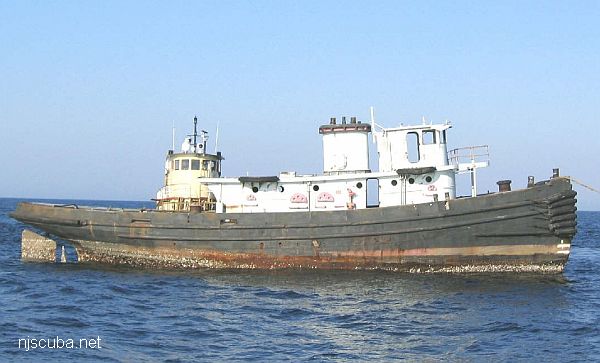
Type:
artificial reef, ferry, converted WWII Navy patrol boat, USA
Built:
Specs:
( 63 ft )
Sunk:
Friday May 10, 1985 - Fire Island Artificial Reef
Depth:
75 ft
GPS:
40°35.587' -73°11.221'

airshipwreck ZPG-3W
Type:
shipwreck, blimp, U.S. Navy
Built:
1958, Akron OH USA
Specs:
( 403 x 85 ft ) 40 tons, 21 crew
Sunk:
Wednesday July 6, 1960
unknown cause - 18 casualties
Depth:
60 ft


Adult (right) and immature Frilled Sea Anemones
Adult (right) and immature
Frilled Sea Anemones

Sea anemones are found from the intertidal zone to extreme depths. Some live attached to solid objects, others burrow in sand or construct tubes. They feed primarily on plankton.

Sea anemones feed through a mouth located in the center of its tentacles. Waste is regurgitated through the same opening. The tentacles sting zooplankton or fish that pass too close, and the anemone swallows its prey whole. Most anemones cannot sting humans with any noticeable effect.