Ships (13/50)

A ship is a large watercraft that travels the world's oceans and other sufficiently deep waterways, carrying goods or passengers, or in support of specialized missions, such as defense, research, and fishing. Ships are generally distinguished from boats, based on size, shape, load capacity, and tradition.

 1  12 13 14  50  

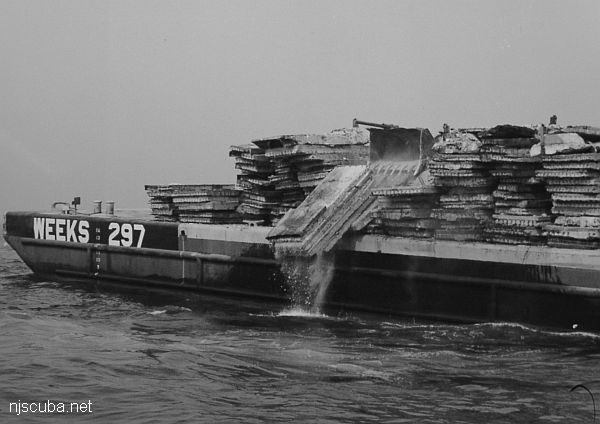
Coleman reef
Type:
artificial reef, barge
Specs:
( 60 x 25 ft )
Sponsor:
Coleman Construction Co, Fish America, Artificial Reef Association
Sunk:
Wednesday June 21, 1995 - Garden State North Artificial Reef
GPS:
39°37.296' -74°01.214'
Depth:
80 ft


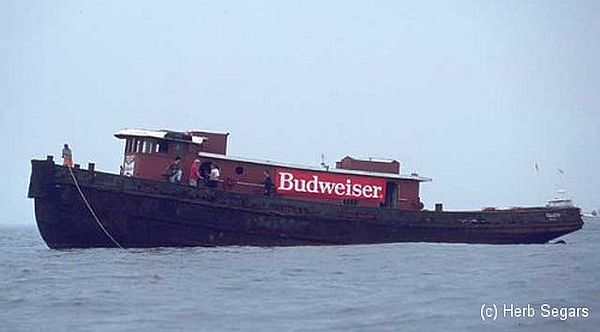
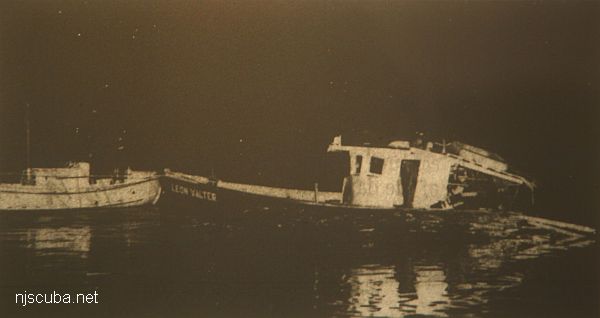
Type:
shipwreck, tugboat, USA
Built:
1906?
Specs:
( 70 ft ) 54 tons
Sunk:
Wednesday December 7, 1983
fire - no casualties
Depth:
70 ft

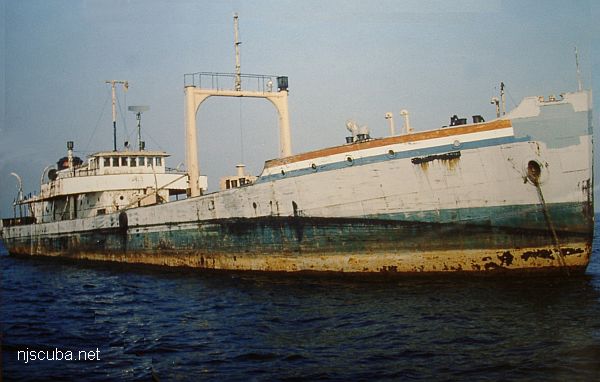
Coney Island reef
Type:
artificial reef, tanker, sludge
Built:
1938, Bethlehem Staten Island, Staten Island NY USA
Specs:
( 250 x 40 ft )
Sponsor:
Crystal Oil Corporation, Marine Trades Assn. of NJ, Fisherman Magazine
Sunk:
Thursday September 10, 1987 - Sea Girt Artificial Reef
GPS:
40°06.285' -73°41.365'
Depth:
125 ft, starts at 80 ft


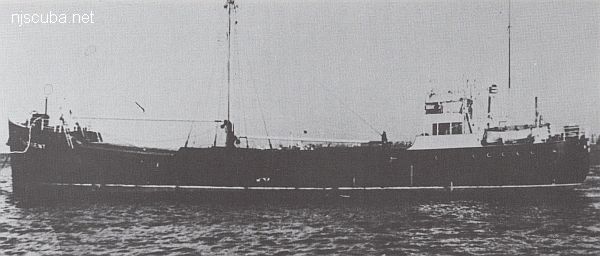
Shipwreck Continent
Type:
shipwreck, freighter, Canada
Built:
1931, Netherlands? as Castor
Specs:
( 211 x 45 ft ) 466 gross tons, 14 crew
Sunk:
Saturday January 10, 1942
collision with Byron D Benson ( 7953 tons) - 1 casualty
GPS:
40°25.662' -73°50.736' (AWOIS 2013)
Depth:
130 ft

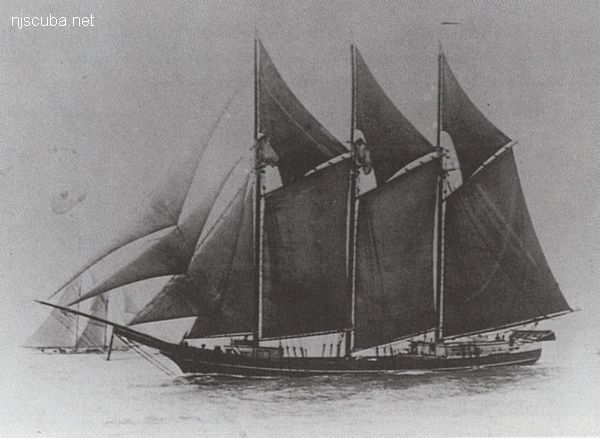
Shipwreck Cornelia Soule
Type:
shipwreck, schooner, USA
Specs:
306 tons, 6 crew
Sunk:
Saturday April 26, 1902
ran aground in bad weather - no casualties
GPS:
40°25.992' -73°10.620' (AWOIS 2013)
Depth:
25 ft


Harbor Seal

Phoca vitulina

by Larry Sarner

Wild seals conjure up images of northern or even Arctic climates. But few people know that more than a hundred harbor seals call New Jersey home during the winter months, coming ashore into isolated estuaries and even upstream into a few rivers.

New Jersey is near the southern limits of the range for harbor seals on the East Coast. However, these seals are frequent visitors offshore in winter and even have been reported as far south as the mouth of the Chesapeake Bay in Virginia and off the coast of North Carolina. The winter seal-sighting season runs from December through March. Seals generally leave the New Jersey coast by the second week in April, probably responding to rising air and water temperatures and the increase in human activity.