Ships (17/49)

A ship is a large watercraft that travels the world's oceans and other sufficiently deep waterways, carrying goods or passengers, or in support of specialized missions, such as defense, research, and fishing. Ships are generally distinguished from boats, based on size, shape, load capacity, and tradition.

 1  16 17 18  49  

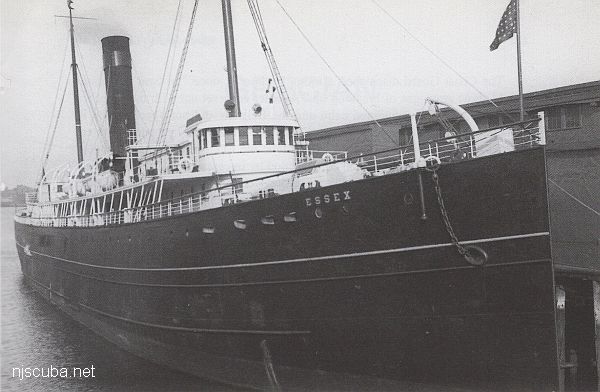
Shipwreck Essex
Type:
shipwreck, steamer
Built:
1890, Cramp Shipbuilding, Philadelphia PA USA
Specs:
( 272 x 40 ft ) 3018 tons
Sunk:
Thursday September 25, 1941
ran aground on Block Island - no casualties
Depth:
30 ft

bow, boilers, hull plates & ribs


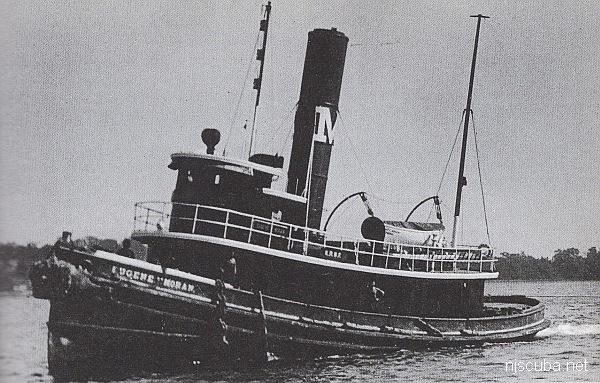
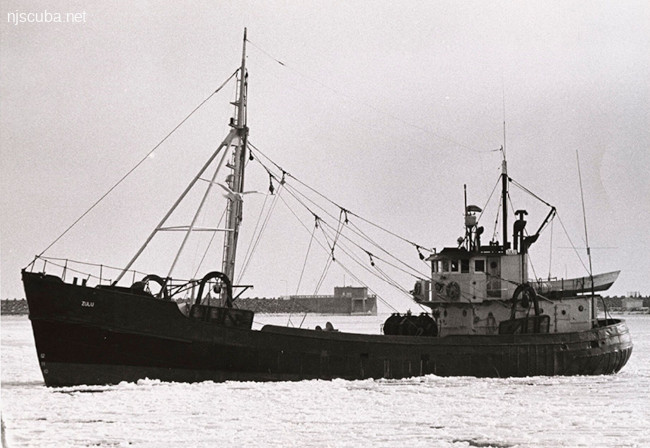
Shipwreck Eugene F. Moran
Note the tall skinny steam-engine stack
Type:
shipwreck, tugboat, USA
Built:
1902, Neafie & Levy, Philadelphia PA USA as Charles E. Matthews
Specs:
( 91 x 22 ft ) 164 gross tons, 11 crew
Sunk:
Sunday December 9, 1917
foundered in storm - no survivors
Depth:
25 ft


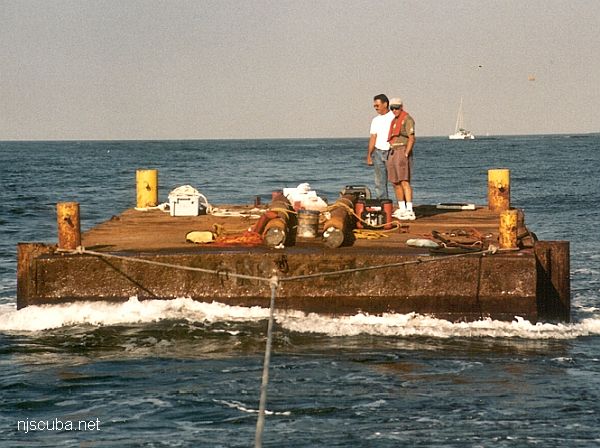
Type:
shipwreck, barge
Specs:
963 tons
Sunk:
Wednesday February 17, 1943
possibly collision with Harry Rush
Depth:
75 ft


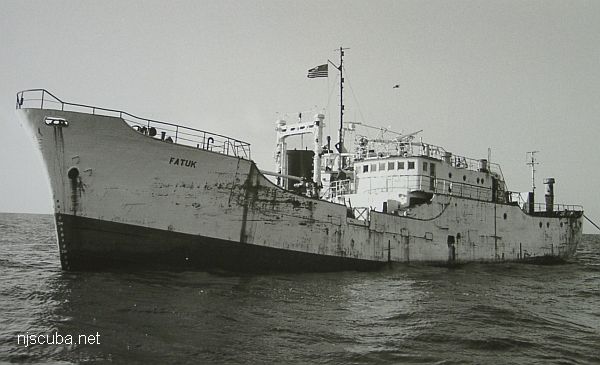
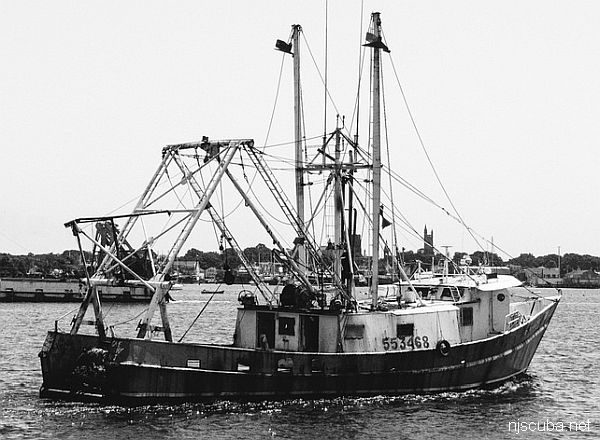
Fatuk reef
Type:
artificial reef, freighter
Built:
1963, Japan
Specs:
( 160 x 25 ft )
Sponsor:
US Customs Service, Fish America, Sportfish Fund
Sunk:
Thursday October 27, 1988 - Garden State North Artificial Reef
GPS:
39°37.609' -74°01.037'
Depth:
80 ft


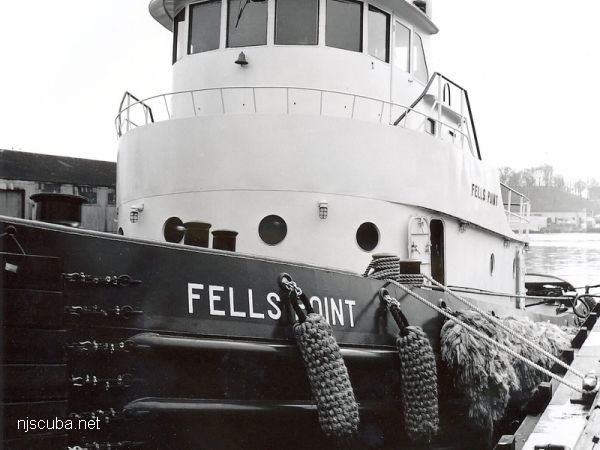
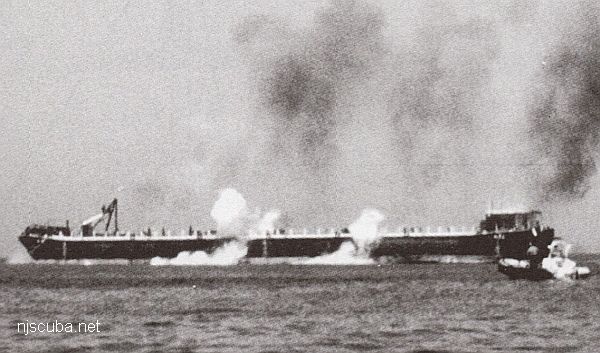
The Fisherman reef
Type:
artificial reef, tanker barge
Specs:
( 242 x 42 ft )
Sponsor:
Spentonbush Red Star Company, Sportfish Fund
Sunk:
Thursday August 7, 1997 - Sea Girt Artificial Reef
GPS:
40°07.930' -73°55.942'
Depth:
70 ft


By Alex Brylske
Reprinted from Dive Training
Sept. 1996

PARALLELS ARE OFTEN DRAWN BETWEEN DIVING AND FLYING. Both take place in an environment where the ambient pressure is different than the earth's surface - where we spend most of our time breathing - and both require formal training to qualify as a participant. Yet, on one point the two activities diverge completely. In flying, the highlight of a pilot's life is his or her first opportunity to solo - to operate the aircraft alone. In fact, after earning a private pilot's license, aviators commonly fly with no one other than God as their copilot.

Not so in diving; the admonition to "never dive alone" is considered the hallmark of safe diving.

To most divers, entering the water without a buddy is tantamount to a pilot taking off without doing a preflight check of the airplane. But to assume that buddy diving is an absolute universal practice would be a mistake. Lots of divers dive solo. Some do it intentionally, but most end up sans buddy completely by accident.