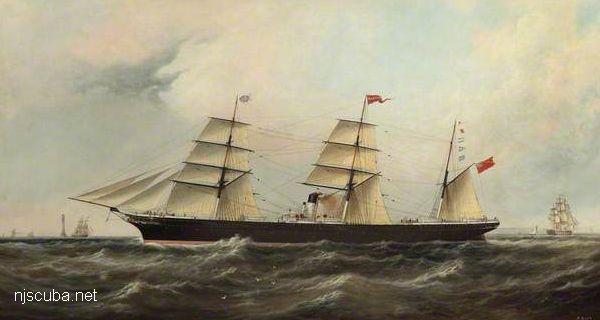
Ships (38/50)

A ship is a large watercraft that travels the world's oceans and other sufficiently deep waterways, carrying goods or passengers, or in support of specialized missions, such as defense, research, and fishing. Ships are generally distinguished from boats, based on size, shape, load capacity, and tradition.

 1  37 38 39  50  

Type:
shipwreck, schooner barge
Built:
1900
Specs:
703 tons, 3 crew
Sunk:
Sunday April 3, 1932
- no survivors
Depth:
55 ft


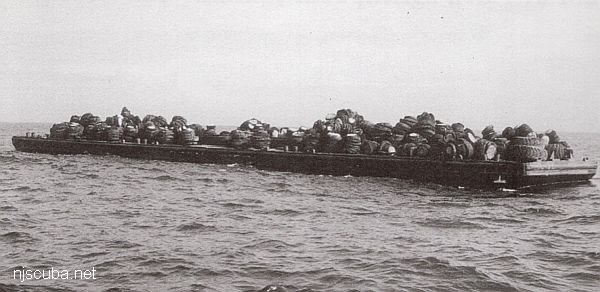
Salt Barge reef
Type:
artificial reef, barge
Built:
circa 1940
Specs:
( 150 x38 ft )
Sponsor:
US Navy, NJCDC, Carbon Services Corp, Artificial Reef Association, Cape May County Party & Charter Boat Association
Sunk:
Friday April 9, 1993 - Cape May Artificial Reef
GPS:
38°50.959' -74°42.385'

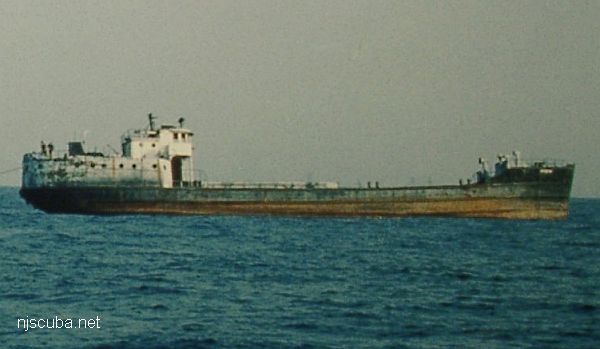
Sam Berman reef
Type:
artificial reef, tanker
Built:
1947, Ira S. Bushey & Sons, Brooklyn NY USA as Philip Lemler
Specs:
( 160 x 30 ft ) 478 tons
Sponsor:
Crystal Oil Corporation, Marine Trades Assn. of NJ, Fisherman Magazine
Sunk:
Thursday September 10, 1987 - Sea Girt Artificial Reef
GPS:
40°06.440' -73°41.180'
Depth:
125 ft

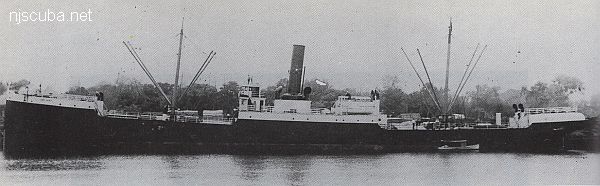
Shipwreck San Jose
Type:
shipwreck, freighter, USA ( United Fruit Company, now Chiquita )
Built:
1904, Ireland
Specs:
( 330 x 44 ft ) 3358 gross tons, 35 crew
Sunk:
Saturday January 17, 1942
collision with C2-class freighter Santa Elisa - later torpedoed by U-123 - no casualties
Depth:
100 ft

Shipwreck San Saba
Type:
shipwreck, steamer, USA
Name:
San Saba is a river in central Texas, a tributary of the Colorado River of Texas.
Built:
1879, Delaware River Iron Shipbuilding & Engine Works, Chester PA USA, as Colorado
Specs:
( 306 x 39 ft ) 2458 gross tons, 37 crew
Sunk:
Friday October 4, 1918
struck mine laid by U-117 - 30 casualties
Depth:
80 ft


Shipwreck Scotland
Type:
shipwreck, steamer, England
Built:
1865, England
Specs:
( 430 x 38 ft ) 3695 tons
Sunk:
Saturday December 1, 1866
collision with sailing ship Kate Dyer ( 1275 tons )
Depth:
22 ft


Here are a few pieces of gear to help you find your way around in the deep blue, or green, brown, or black, as the case may be. When diving, it is important to remember that you need to navigate both horizontally, and vertically. The vertical component is usually taken care of by the dive boat anchor, but emergencies do occur, and you should be prepared.

2016 Update

Nothing much has changed in twenty years. The Tektite strobe is exactly the same, and you can still get good big dive reels, although enclosed models have disappeared. Compasses still point north, and flags are still a bother.