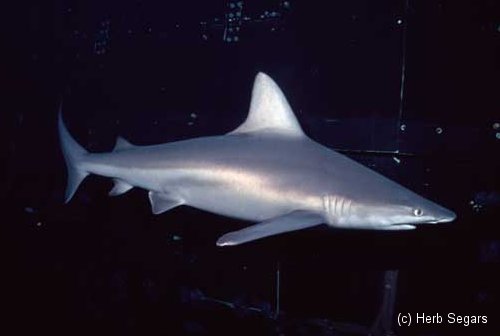
Deep and dark, the Mud Hole is the Hudson River's channel from a time when the oceans were much lower. Today it collects all the silt and sediment that the river carries out to the sea, making it a very fertile fishing ground, frequented by pelagic fishes and sharks. The contour shown on the chart is not any particular depth, but do give an idea of the location.
Probably so-named because it is the next-closest thing to the Pinta at the same depth. So if that wreck turns out to be occupied by another boat, you get a "New Deal". Seldom visited, so should be good for fish and lobsters. A large and relatively intact barge filled with stones. Known by many other names, depending on who you ask.
Volunteer divers at the aquarium assist with food preparation, cleaning and maintaining work area and exhibits, perform dive demonstrations, and assist aquarists when necessary. Volunteer must be a certified diver age 18 years and older with at least 25 logged dives; 5 in the last 2 years and 2 in the last 12 months. Volunteer must be able to commit to 2 eight-hour work shifts per month ( same day every other week. ) Volunteer applications are available at the information desk.
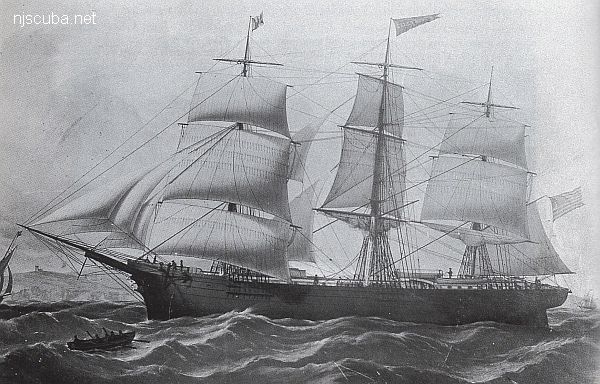
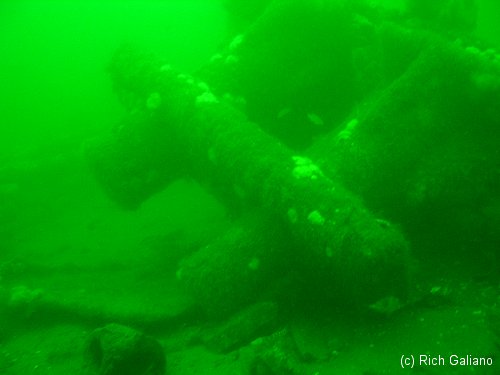
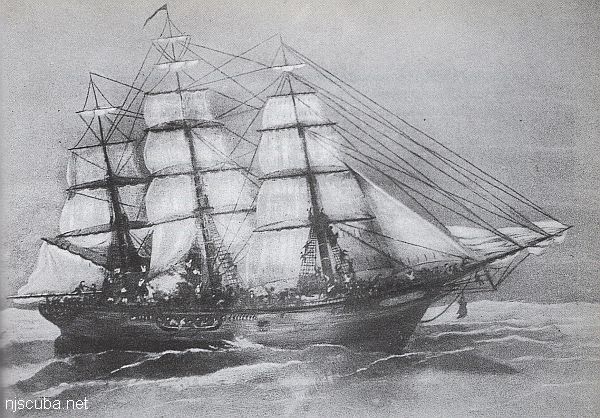
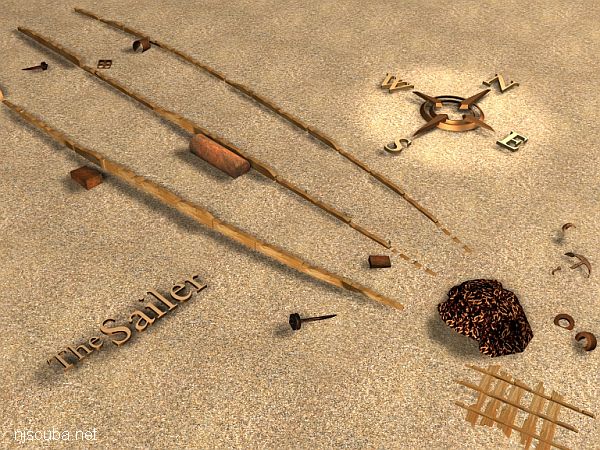
The "Northeast Sailor" is the remains of a large sailing ship. The absence of towing bits is an indicator that this was probably not a schooner barge, while the presence of a boiler and steam machinery place the vessel in the mid to late nineteenth century.