
BD 1738
from AWOIS:
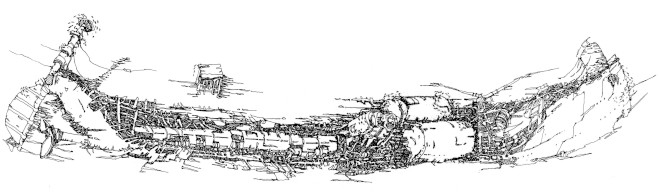
H10224/86 -- OPR-C121-WH-86; WRECKAGE WITH 52 FT PNEUMATIC DEPTH GAUGE LEAST DEPTH, WHICH IS BELIEVED TO BE THIS ITEM, APPROXIMATELY 100M SW OF AWOIS POSITION; DIVERS FOUND THE WRECK OF A BARGE, APPROXIMATELY 20 X 45 M; THREE BOILERS AND NUMEROUS OTHER TYPES OF SHIPYARD DEBRIS WERE FOUND STREWN OVER AN AREA OF 360 X 165 FT; IN THE NW CORNER OF THE SITE THE REMAINS OF ANOTHER WRECK WAS FOUND WITH ONLY THE SHELL PLATING AND FLOOR FRAMING REMAINING; APPROXIMATELY 200 FT LONG, 27 FT BEAM AND SHELL PLATING EXTENDING 5 FT ABOVE THE BOTTOM; BOTH ENDS OF THE WRECK TAPERED INTO THE SAND WITH NO BOW OR STERN VISIBLE; ONE OBJECT CONSISTING OF GUARD RAIL TYPE METAL, APPROXIMATELY 2 FT WIDE, 3/8 INCH THICK, AND 40 FT LONG, FORMING A 60 DEGREE ARCH WITH THE MIDDLE STANDING 10 FT OFF THE BOTTOM; SITE CONSISTED OF TWO WRECKS AND SHIPYARD DEBRIS, INCLUDING A BOOM CRANE; LEAST DEPTH TAKEN ON THE TOP OF THE BOILER LOCATED AT THE NORTHEAST SECTION OF SITE. (UPDATED MSD 4/91)
The wreck to the northwest is the Daghestan; the other is the derrick barge B.D. 1738.
Questions or Inquiries?
Just want to say Hello? Sign the .