
Cecilia M. Dunlap
- Type:
- shipwreck, schooner barge ( originally a bark )
- Built:
- 1876 as Parknook
- Specs:
- ( 199 x 32 ft ) 793 tons
- Sunk:
- Saturday September 12, 1931
foundered - GPS:
- 40°25.374' -73°52.828' (AWOIS 2013)
- Depth:
- 60 ft
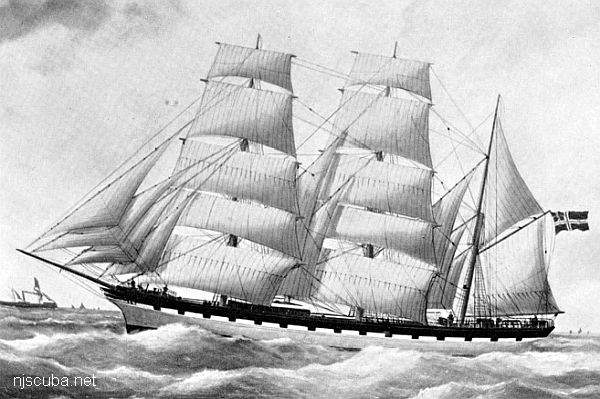
The Parknook was an iron barque built by the Whitehaven Shipbuilding Company at Whitehaven in June 1876. She was owned by David Borrowdale of Whitehaven, and her first voyage was from Whitehaven to San Francisco with a coal cargo, under the command of Capt. Richard Thompson. In 1887 the Parknook carried emigrants to Australia.
The Parknook was sold to Norwegian owners by 1898, and by 1927 was registered at New York, renamed Cecilia M. Dunlap. She entered the coastal trade on the Atlantic seaboard and subsequently was converted to a schooner barge. She foundered on the 12th September 1931 in 60 feet of water during heavy seas, whilst under tow from Pennsylvania to New Jersey with about 10,000 barrels of oil as cargo.
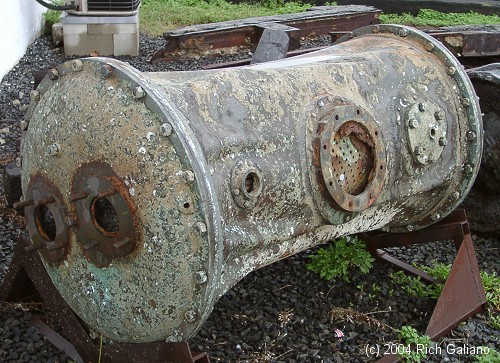
The collapsed condition of this unit is due to either relatively cold ocean water coming into contact with the unit still hot from operation, or from the demolition process when explosives were used to clear the wreck, eliminating it as a navigational hazard.
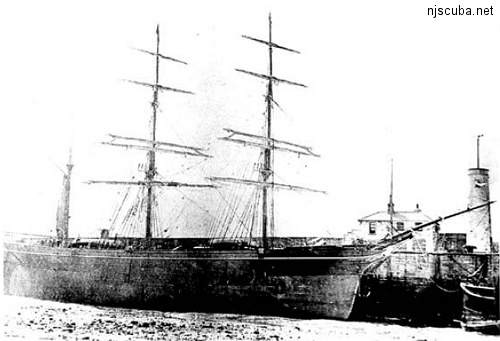
AWOIS 8071
FE330SS/89--OPR-C147-HE-89; CONTACT 1 FROM SURVEY H-10284/88; DIVERS INVESTIGATION FOUND A LARGE MASS OF WOOD AND STEEL WRECKAGE OF UNDETERMINED TYPE; WRECKAGE WAS BADLY DETERIORATED AND ROSE TO ABOUT 10FT OFF THE BOTTOM; VISIBILLITY WAS VERY GOOD AND THE DIVERS WERE CONFIDENT THAT THE MEASUREMENT WAS MADE ON THE HIGHEST POINT; 52 FT DIVER LEADLINE LEAST DEPTH; LAT 40-22-20.93N, LONG 73-55-07.12W (NAD83);
Dive Sites, New Jersey Dive Sites, Sandy Hook Dive Sites, Schooner Barges,
Sandy Hook / Rockaway Inlet Chart
- Barge #10
- 120 Wreck
- 3 Sisters
- Ambrose Buoy
- A Street - Shark River
- Acara
- Across
- Adele
- Ajace
- Alex Mac
- Allenhurst Jetty
- Antioch
- Arnoff
- Arundo
- Asfalto
- Aurora
- Ayuruoca
- BA Wreck
- Shark River - Back Bay
- Balaena
- Bald Eagle
- BD1738
- USS Benson
- Beth Dee Bob
- Blue Boy
- Bronx Queen
- Bug Light
- Charles Dunlap
- Cecilia M Dunlap
- Catherine Jackson
- Chauncy Jerome
- Cornelia Soule
- Choapa
- coal (Lido)
- Continent
- crane barge
- Daghestan
- Dragger
- drydock
- Dryland
- Edwin Duke / Stone Barge
- dump
- Dutch Springs
- Edmund Phinney
- East Rockaway Inlet
- Ed's Schooner
- Elberon Rocks
- Eureka
- Finance
- Fort Victoria
- German
- GL78
- Glen II
- I.P. Goulandris
- Gypsy
- Horseshoe Cove
- Alexander Hamilton
- Howard
- Iberia
- Immaculata
- Inshore Schooner
- Jack I
- Joan La Rie III
- Jones Inlet
- Jones Tug
- Klondike Rocks
- Larsen
- Lizzie D
- Long Branch locomotives
- Logwood
- H.W. Long
- Macedonia
- Mahogany
- Malta
- Manasquan Inlet
- Margaret
- Marion
- Mistletoe
- R.C. Mohawk
- Manasquan Wreck
- Nautilus
- Navesink River
- Northeast Sailor
- New Reef
- New Deal
- New Era
- HMS Pentland Firth
- Long Branch Pier Rubble
- Pinta
- Pipe Barge
- Pliny
- Plymouth
- Pocopson
- Princess Anne
- Ruth Shaw
- Robert A Snow
- Ramos
- Ranger
- Relief Lightship
- Rickseckers
- Rjukan
- Rockaway Inlet
- Rockaway Belle
- Round Valley
- Roy's barge
- Rudder Wreck - Pocono
- Rusland / Adonis
- Scotland Buoy
- Sandy Hook Pilot Boat
- SC-60
- Sea Girt Inlet
- Sea Girt Wreck
- Shark River Inlet
- Shrewsbury Rocks
- Spring Lake Sailor
- Steel Wreck
- Stolt Dagali
- Sylvanus
- Tampa III
- USS Turner
- AWOIS 8087
- AWOIS 8097
- u11
- AWOIS 7509
- AWOIS 7932
- AWOIS 9768
- AWOIS 12966/11422
- AWOIS 1609
- AWOIS 8084
- AWOIS 7940
- AWOIS 7938
- AWOIS 8076
- AWOIS 4600
- AWOIS 8075
- Valerie E
- Vega
- Warrior
- Delaware River Water Gap
- Western World
- Edward W Winslow
More: Sandy Hook Dive Sites Chart ...
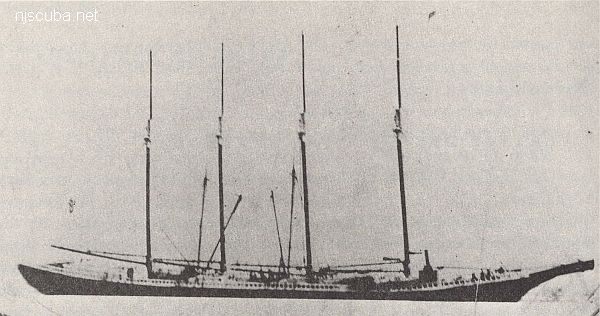
- Type:
- shipwreck, schooner, USA
- Built:
- 1904, Millbridge ME USA
- Specs:
- ( 225 x 42 ft ) 1498 gross tons
- Sunk:
- July 22, 1919; ran aground in fog
- Depth:
- 25 ft
More: Charles Dunlap ...
Sandy Hook / Rockaway Inlet Chart
- Barge #10
- 3 Sisters
- Ambrose Buoy
- A Street - Shark River
- Acara
- Across
- Ajace
- Allenhurst Jetty
- Arnoff
- Arundo
- Asfalto
- Aurora
- Ayuruoca
- BA Wreck
- Shark River - Back Bay
- Balaena
- Bald Eagle
- BD1738
- USS Benson
- Beth Dee Bob
- Blue Boy
- Bronx Queen
- Bug Light
- Charles Dunlap
- Cecilia M Dunlap
- Chauncy Jerome
- Cornelia Soule
- Choapa
- coal (Lido)
- Continent
- crane barge
- Daghestan
- Dragger
- drydock
- Dryland
- Edwin Duke / Stone Barge
- dump
- Edmund Phinney
- East Rockaway Inlet
- Ed's Schooner
- Elberon Rocks
- Eureka
- Finance
- Fort Victoria
- German
- GL78
- Glen II
- I.P. Goulandris
- Gypsy
- Horseshoe Cove
- Alexander Hamilton
- Happy Days
- Howard
- Iberia
- Immaculata
- Inshore Schooner
- Jack I
- Jones Inlet
- Jones Tug
- Klondike Rocks
- Larsen
- Lizzie D
- Long Branch locomotives
- H.W. Long
- Macedonia
- Malta
- Margaret
- Mistletoe
- R.C. Mohawk
- Nautilus
- Navesink River
- Northeast Sailor
- New Reef
- New Deal
- New Era
- HMS Pentland Firth
- Long Branch Pier Rubble
- Pinta
- Pipe Barge
- Pliny
- Plymouth
- Pocopson
- Princess Anne
- Ruth Shaw
- Robert A Snow
- Ramos
- Ranger
- Relief Lightship
- Rickseckers
- Rjukan
- Rockaway Inlet
- Rockaway Belle
- Roda
- Rudder Wreck - Pocono
- Rusland / Adonis
- Scotland Buoy
- Sandy Hook Pilot Boat
- SC-60
- Shark River Inlet
- Shrewsbury Rocks
- Spring Lake Sailor
- Steel Wreck
- Stolt Dagali
- Sylvanus
- Tampa III
- USS Turner
- AWOIS 8087
- AWOIS 8097
- u11
- AWOIS 7509
- AWOIS 7932
- AWOIS 9768
- AWOIS 12966/11422
- AWOIS 1609
- AWOIS 8084
- AWOIS 7940
- AWOIS 7938
- AWOIS 8076
- AWOIS 4600
- AWOIS 8075
- Valerie E
- Vega
- Warrior
- Edward W Winslow
More: Long Island West Dive Sites Chart ...
Sandy Hook Artificial Reef
1.6 nautical miles off Sea Bright, 1.76 sq miles
Depth: 40-60 ft [download]
More: Sandy Hook Artificial Reef ...
Questions or Inquiries?
Just want to say Hello? Sign the .