Ranger

Ranger
Type:
shipwreck, steamer
Depth:
85 ft
compass

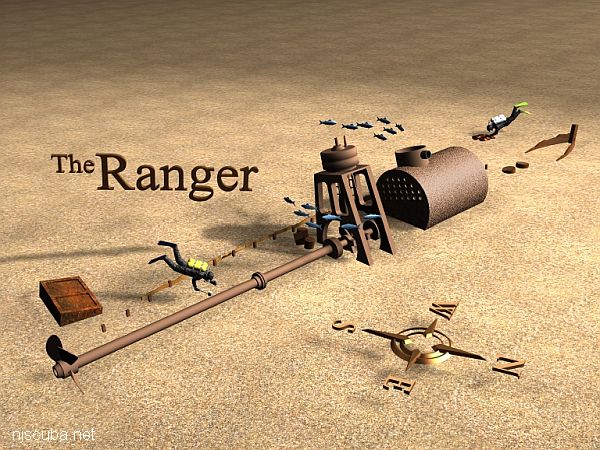
The "Ranger" is the wreck of a small nineteenth-century steamer. The entire small wreck is perhaps 100 ft in length, from the low remains of the copper-sheathed wooden bow to the broken propeller. The boiler and engine are remarkably large for such a small wreck, but the absence of towing bits, or indeed any kind of heavy machinery, makes it unlikely that this was a tugboat. An enormous low-pressure boiler feeding a rather primitive single-expansion engine places the building of the Ranger in the same period as the very similar Brunette, 1850-1870.
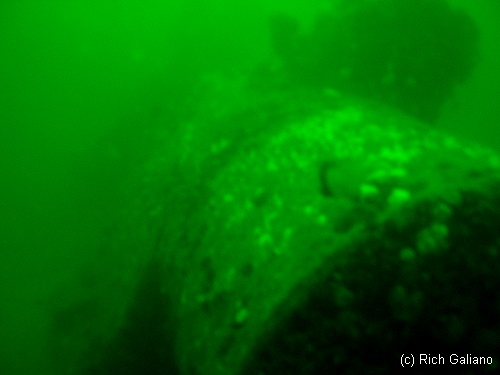
Shipwreck Ranger
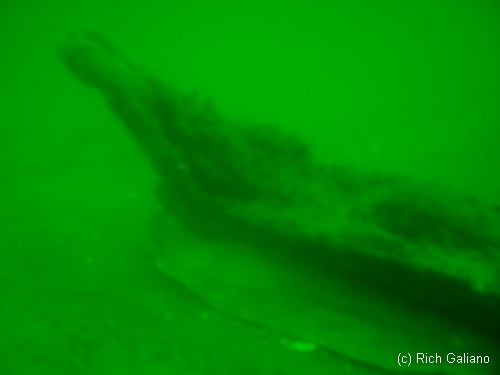
The stem of the bow remains, with some copper sheathing.
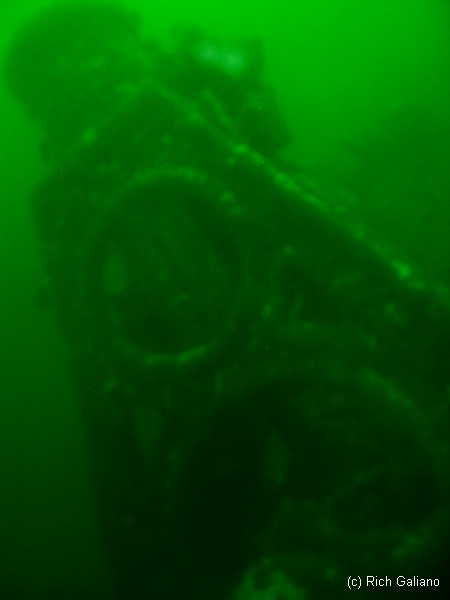
Shipwreck Ranger
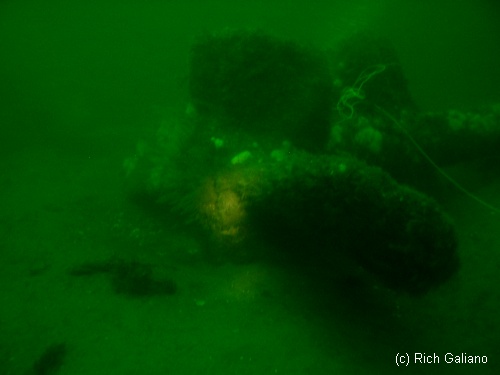
The boiler dominates the wreck
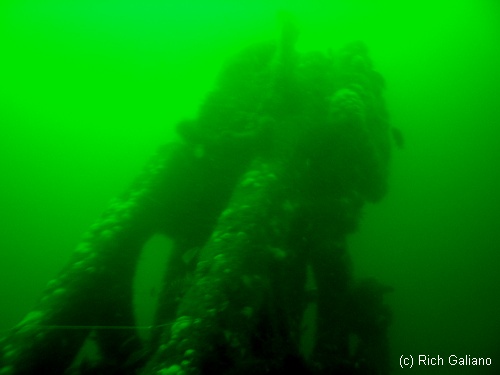
Shipwreck Ranger
The crooked single-cylinder engine is an almost art-deco design
Shipwreck Ranger
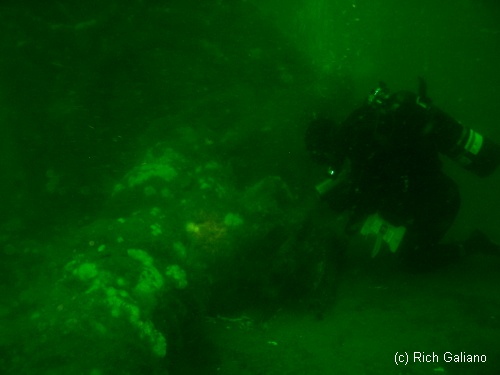
Shipwreck Ranger
A diver hunts near the shaft just behind the engine
Shipwreck Ranger
A large iron box off to the side, probably a steam condenser
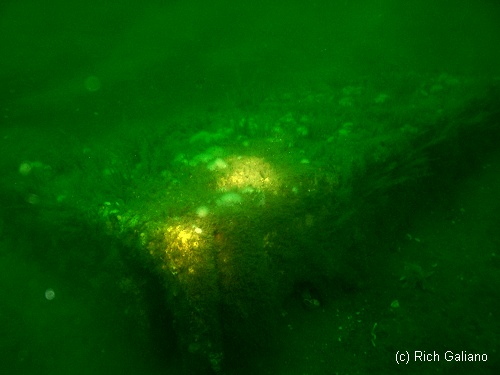
Shipwreck Ranger
The propeller, half-buried, with the upper blade broken off

This is a very picturesque wreck and makes a nice photo subject on a good day ( it is also known as the "Photographer". ) the engine is a very interesting piece, and is covered with anemones and other sea life. This wreck also produces fine mussels from the higher parts. There is usually a lobster around somewhere as well.

Drawing courtesy of Aaron Hirsh

Comments on Ranger

Questions or Inquiries?

Just want to say Hello? Sign the .

Submit a Comment

Your email address will not be published. Required fields are marked *


Click image to replace if unable to read.

Enter the digits from the image above, except for the last one:

This site uses Akismet to reduce spam. Learn how your comment data is processed.


Type:
shipwreck, dry-dock barge
Depth:
110 ft

This anonymous big rectangular wooden dry-dock barge lies off Asbury Park, out near the edge of the Mud Hole. It is similar to the better-known Immaculata. The hulk of the wreck rises up as much as 10 feet, partially intact, while the upper sides have collapsed into the silty sand. Holes in the main wreckage allow penetration into the dark interior, which is surprisingly barren. A debris field of large rectangular ballast stones, wooden ribs, and rusted machinery extend from the western edge of the wreck, and to a lesser extent all around it. In exceptional late October fifty-foot visibility the view of this wreck from above was impressive, but overall this is not a very pretty site, and it is seldom dived. Good for lobsters, Sea Bass, scallops, and decompression.