Deep Sea Dive Sites (3/6)

Deep Sea Chart (pan right for more)

 1  2 3 4  6  

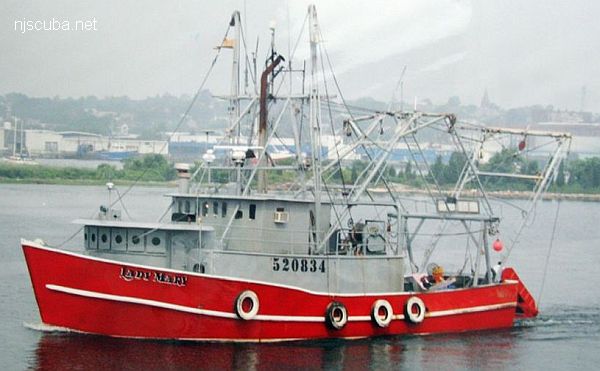
Shipwreck Lady Mary
Type:
shipwreck, scallop dredge, USA
Built:
1969, Graham Boats, Pascagoula MS USA, as Mr Choper
Specs:
( 71 x 21 ft ) 125 gross tons, 7 crew
Sunk:
Tuesday March 24, 2009
foundered in storm - 1 survivor
GPS:
40°25.641' -73°51.135' (USCG 2004)
Depth:
210 ft

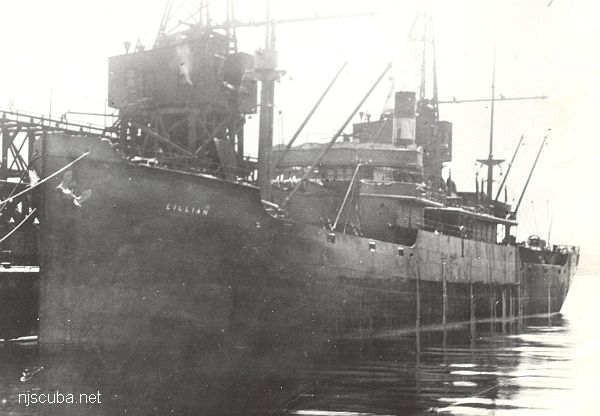
Freighter Lillian
Type:
shipwreck, freighter, USA
Built:
1920, Bethlehem Wilmington, Wilmington DE USA, as Maddequet
Specs:
( 327 x 46 ft ) 3482 gross tons, 32 crew
Sunk:
Sunday February 26, 1939
collision with freighter Wiegand ( 6568 tons) - no casualties
Depth:
150 ft


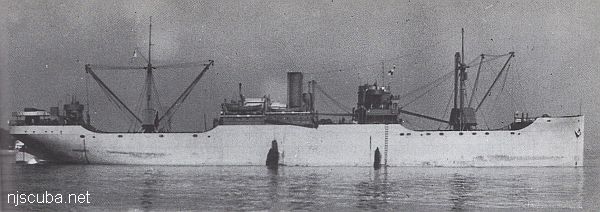
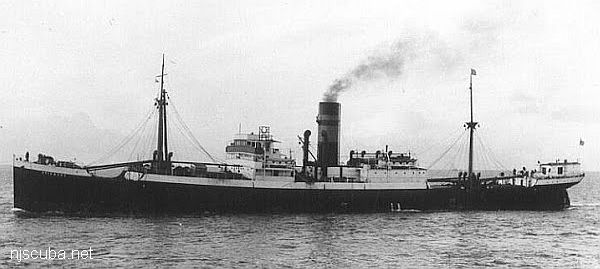
Shipwreck SS Miraflores
Type:
shipwreck, freighter, Britain
Built:
1921, England
Specs:
( 270 x 39 ft ) 2755 gross tons, 34 crew
Sunk:
Thursday February 19, 1942
torpedoed by U-432 - no survivors
Depth:
165 ft

Mud Hole

  1. Barge #10
  2. 120 Wreck
  3. 3 Sisters
  4. 3/4 Tug
  5. 59-Pounder
  6. Ambrose Buoy
  7. A Street - Shark River
  8. Acara
  9. Across
  10. Adele
  11. Ajace
  12. Alex Mac
  13. Allenhurst Jetty
  14. Anastasia
  15. Antioch
  16. Arnoff
  17. Arundo
  18. Asfalto
  19. Aurora
  20. Ayuruoca
  21. BA Wreck
  22. Shark River - Back Bay
  23. Balaena
  24. Bald Eagle
  25. BD1738
  26. USS Benson
  27. Beth Dee Bob
  28. Blue Boy
  29. Bonanza
  30. Bronx Queen
  31. Brunette
  32. Bug Light
  33. Burnside
  34. Charles Dunlap
  35. Cecilia M Dunlap
  36. Cornelius Grinnell
  37. Catherine Jackson
  38. Chauncy Jerome
  39. Cornelia Soule
  40. Cadet
  41. Capt Smitty
  42. Catamount
  43. Charlemagne Tower
  44. Choapa
  45. clam boat
  46. coal (Lido)
  47. Continent
  48. crane barge
  49. Creole
  50. Daghestan
  51. Delaware
  52. Dragger
  53. drydock
  54. Dryland
  55. Edwin Duke / Stone Barge
  56. dump
  57. Duncan
  58. Edmund Phinney
  59. East Rockaway Inlet
  60. Ed's Schooner
  61. Elberon Rocks
  62. Emerald / USS Hibiscus
  63. Eureka
  64. Francis A Perkins
  65. FF Clain
  66. Finance
  67. Fort Victoria
  68. Gassoon
  69. German
  70. Lady Gertrude
  71. GL78
  72. Glen II
  73. Glory Wreck
  74. I.P. Goulandris
  75. Granite Wreck
  76. Gulftrade (stern)
  77. Gypsy
  78. Horseshoe Cove
  79. Alexander Hamilton
  80. Hankins (Big)
  81. Hankins (Offshore)
  82. Hankins 3
  83. Happy Days
  84. Cornelius Hargraves
  85. Harvey's Schooner
  86. Howard
  87. Iberia
  88. Ida K
  89. Immaculata
  90. Inshore Schooner
  91. Irene/Truro
  92. Irma C
  93. John Minturn
  94. Jack I
  95. Joan La Rie III
  96. Jones Inlet
  97. Jones Tug
  98. Kenosha
  99. Klondike Rocks
  100. Lizzie H. Brayton
  101. Lana Carol
  102. Larsen
  103. Lavallette Wreck
  104. Leon Walter
  105. Lillian
  106. Lizzie D
  107. Long Branch locomotives
  108. Logwood
  109. H.W. Long
  110. Macedonia
  111. Mahogany
  112. Malta
  113. Manasquan Inlet
  114. Margaret
  115. Marion
  116. Maurice Tracy
  117. Meta
  118. Middle Barge
  119. Mistletoe
  120. R.C. Mohawk
  121. Mohawk
  122. Manasquan Wreck
  123. Nautilus
  124. Navesink River
  125. Northeast Sailor
  126. New Reef
  127. New Deal
  128. New Era
  129. Old Yankee
  130. Olsen
  131. HMS Pentland Firth
  132. Park City
  133. Long Branch Pier Rubble
  134. Pinta
  135. Pipe Barge
  136. Pliny
  137. Plymouth
  138. Pocopson
  139. Princess Anne
  140. Ruth Shaw
  141. Robert A Snow
  142. Ramos
  143. Ranger
  144. Relief Lightship
  145. Rickseckers
  146. Ridge Schooner
  147. Riggy
  148. Rjukan
  149. Rockaway Inlet
  150. Rockaway Belle
  151. Roda
  152. Roy's barge
  153. Manasquan River Railroad Bridge
  154. Rudder Wreck - Pocono
  155. Rump
  156. Rusland / Adonis
  157. Scotland Buoy
  158. Sandy Hook Pilot Boat
  159. SC-209
  160. SC-60
  161. Sea Girt Inlet
  162. Sea Girt Wreck
  163. Sea Hag
  164. Seaside Crane Barge
  165. Shark River Inlet
  166. Shrewsbury Rocks
  167. Spring Lake Sailor
  168. Steel Wreck
  169. Stolt Dagali
  170. Southwest Mohawk
  171. Sylvanus
  172. Tampa III
  173. USS Tarantula
  174. Thurmond
  175. Tolten
  176. Train Wheel
  177. USS Turner
  178. AWOIS 8087
  179. AWOIS 8097
  180. u11
  181. AWOIS 7509
  182. AWOIS 7932
  183. AWOIS 9768
  184. AWOIS 12966/11422
  185. AWOIS 1609
  186. AWOIS 8084
  187. AWOIS 7940
  188. AWOIS 7938
  189. AWOIS 8076
  190. AWOIS 4600
  191. AWOIS 8075
  192. Valerie E
  193. Vega
  194. Vivian
  195. Vizcaya
  196. Warrior
  197. Western World
  198. Edward W Winslow
  199. Yankee (G+D)

Deep and dark, the Mud Hole is the Hudson River's channel from a time when the oceans were much lower. Today it collects all the silt and sediment that the river carries out to the sea, making it a very fertile fishing ground, frequented by pelagic fishes and sharks. The contour shown on the chart is not any particular depth, but do give an idea of the location.


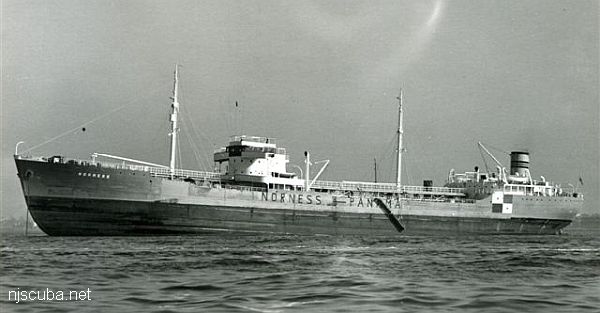
Shipwreck Norness
Type:
shipwreck, tanker, Panama
Built:
1939, Germany
Specs:
( 493 x 65 ft ) 9577 tons
Sunk:
Wednesday January 14, 1942
torpedoed and shelled by U-123 - the first loss of World War II in U.S. waters
Depth:
280 ft, min 210 ft

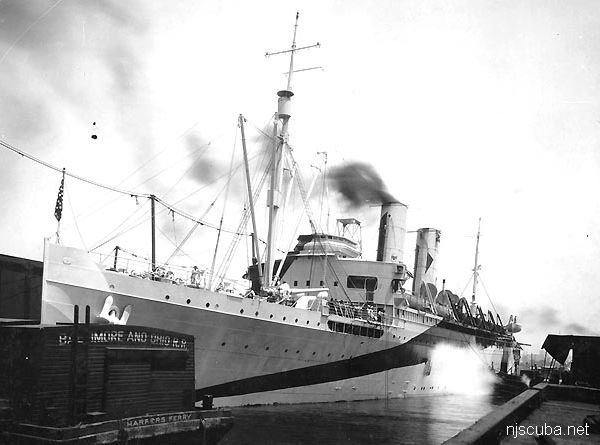
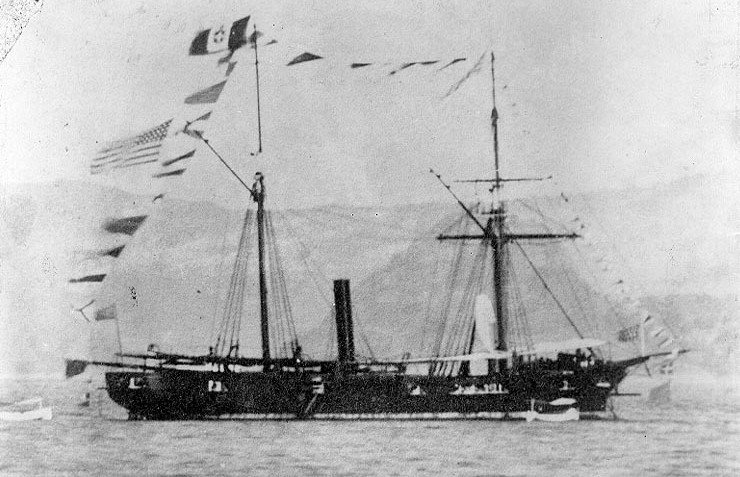
Shipwreck Northern Pacific
In wartime camouflage paint scheme, with guns at the bow and stern
( obviously retouched by censors. )
Type:
shipwreck, liner, USA
Built:
1915, Cramp Shipbuilding, Philadelphia PA USA
Specs:
( 509 x 63 ft ) 8256 gross tons, 28 crew
Sunk:
Wednesday February 8, 1922
burned - 4 casualties
Depth:
140 ft

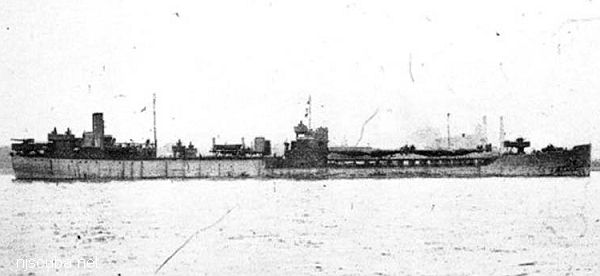
Shipwreck Pan Pennsylvania
Type:
shipwreck, tanker (T3), USA
Built:
1943, Welding Shipyards, Norfolk VA, USA
Specs:
( 516 x 70 ft ) 11017 gross tons
Sunk:
Sunday April 16, 1944
torpedoed by U-550, then shelled and sunk by USS Sagamore - 60 survivors
Depth:
240 ft ?

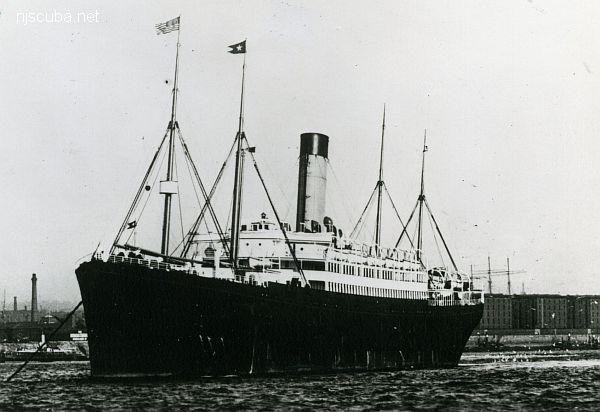
Shipwreck Republic
Type:
liner, White Star Line
Name:
One of the "-ic" series of White Star liners, which included such other ships as the Georgic, Olympic, and Titanic.
Built:
1903, Ireland
Specs:
( 570 x 68 ft ) 15378 gross tons
Sunk:
Sunday January 25, 1909
after collision with steamer Florida - 2 casualties
Depth:
240 ft

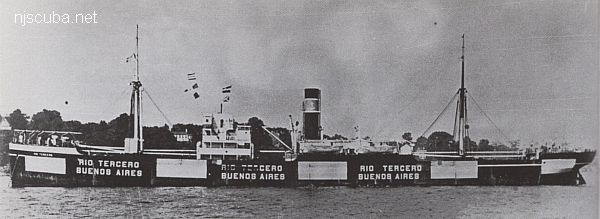
Shipwreck Rio Tercero
Type:
shipwreck, freighter, Argentina
Built:
1912, England, as Fortunstella
Specs:
( 405 x 54 ft ) 4864 gross tons
Sunk:
Monday June 22, 1942
torpedoed by U-202 - 5 casualties
Depth:
400 ft ?

Deep Sea Dive Sites

 1  2 3 4  6  

NJ Scuba

Pete Nawrocky is a photographer specializing in the underwater environment of the Northeastern United States. Pete's work has been published in numerous books and magazines, including Skin Diver and Underwater USA, and he is currently a staff writer for the Northeast Dive Journal. Pete has also received the Beneath the Sea Diver of the Year award, and the NAUI Outstanding Contributor to Sport Diving award.

Atlantic Rock Crab - Cancer irroratus

Crabs are carnivorous and typically walk on the sea floor. Their habitat ranges from the deep sea up to shallow water, along the shore, and sometimes well inland. The Atlantic Rock Crab is found on rocky or sandy bottoms at depths from the low-tide line to depths of 2600 feet (780m). Although these crabs were once regarded as pests by lobstermen, as they will enter lobster pots and steal bait, the rise in seafood prices has made the crabs a profitable catch as well.

Northern Sea Robin - Prionotus carolinus

The Northern Sea Robin, which grows to 17 inches in length, inhabits waters off most of the eastern coast of North America, migrating south and offshore during the winter. These fish are bottom-dwellers, feeding on various crustaceans, bivalves, squid, and other fish. Sea Robins can be recognized by the large head, broad mouth, spiny dorsal fin, and wing-like pectoral fins.

Sea Gooseberry - Pleurobrachia pileus

This tiny comb jelly is only about an inch across, but its retractable tentacles can extend over twenty times its body length to snare microscopic food organisms. Comb jellies are noted for their sometimes spectacular luminescence, which is produced by glandular structures near the radial digestive canals. Sea Gooseberries, which unlike most jellyfish do not sting, can be found drifting near shore from Maine to Florida and Texas. Another comb jelly, P. bachei is found from Alaska to Baja California on the Pacific coast, and is indistinguishable from P. pileus outside of the laboratory.

Atlantic Purple Sea Urchin - Arbacia punctulata

This omnivorous species, found on rock or shell bottoms from low-tide line to water 750′ (229m) deep, will eat anything from algae, sponges, and coral polyps, to mussels, sand dollars, even dead or dying urchins or other animals. Sea urchins carry fascinating tiny grooming organs between their spines. These organs, once thought to be parasites, are actually just the opposite: an integral part of the animal which keeps the echinoderm’s surface free from other animal or plant organisms.

Tubularian (Pink Hearted) Hydroid - Tubilaria crocea

This is not a plant, but an animal which attaches itself to nearly any solid object continuously submerged in shallow water. Single pink polyps, each up to 5″ high, combine to form a colony over a foot wide. Individual members of the colony become specialized to perform specific tasks, from eating to defending the colony. This species is found on the east coast from Nova Scotia to Cape Hatteras, and from Washington to California in the west.

Northern Red Anemone and Frilled Anemone
Tealia crassicornis and Metridium senile

The similarities between anemones and their relatives, the corals and the jellyfish, are not hard to see. All spend part, if not all of their lives as polyps anchored to the sea floor or other surface, and most employ stinging cells, or nematocysts, to subdue prey.

Both of these anemones are found in northern waters on the east and west US coasts. The Northern Red Anemone can grow to 5″ high and 3″ wide with a hundred tentacles arranged in rings around the mouth. The Frilled Anemone, which can grow to a height of 18″, may have as many as a thousand slender tentacles which give it the frilled appearance. These anemones can reproduce either sexually or asexually, the latter being accomplished by leaving behind, as they creep over a surface, bits of tissue which regenerate into complete organisms.

Goosefish - Lophius piscatorius

This angler fish is a large bottom-dweller, reaching lengths of up to six feet in depths to 1,800 feet (550m). Lophius are voracious eaters, attracting prey with a modified dorsal fin which acts as a “fishing lure.” They have been known to eat a wide variety of fish, turtles, invertebrates, and even birds. Fishermen comment that the goosefish usually comes up in a trawl with a full belly, having gorged itself on its fellow captives. The appearance of this fish belies the delicately flavored flesh, which is popular in Europe.

Blue Mussels - Mytilus edulis

The edible Blue Mussel is usually found in dense masses attached to rocks, pilings, or nearly any solid object between low- and high-tide lines. These mussels grow to 4″ long and feed on nutrients filtered out of the water which passes into and out of the mantle cavity through the frilled siphons. Breathing also occurs as this stream of water passes over the creature’s gills.

Northern Stony Coral - Astrangia danae

The beautiful reefs of tropical locations are not actually living creatures at all, but are built up of the skeletons left behind by hard or stony corals and encrusting algaes. The Northern Stony Coral is the only shallow-water species of stony coral found north of Cape Hatteras. It is pinkish to white in color, and found attached to rocks or shells in water to 135′ deep.

Black Sea Bass - Centropristes striata

A favorite prize of spearfishing SCUBA divers, the Black Sea Bass is an important food fish throughout the mid-Atlantic states. Growing to 24″ in length, this fish is found from Maine to Florida, usually over rocks and around jetties, pilings, and wrecks.

Ocean Sunfish - Mola mola

Perhaps the strangest in appearance of all local fishes, the Ocean Sunfish with its large dorsal fin is probably responsible for more than a few “shark” sightings at sea. The caudal (tail) fin of the Mola mola is reduced to a short flap, with the dorsal and anal fins used like oars for propulsion. This fish can weigh well over a ton and measure up to 13 feet in length. They are found in both the Atlantic and Pacific oceans, and feed on jellyfishes and other small, soft items.

Sea Star - Asterias forbesi

The Common Sea Star is a familiar sight to any north Atlantic wreck diver. Found on rock, sand, or gravel bottoms from the low-tide line to depths of 160′, this creature can grow to over 10 inches across. This Sea Star feeds mainly on bivalve mollusks, by pulling the valves open just far enough to slip a piece of its stomach inside ( it only needs a tiny space of 1/250″. ) It then secretes digestive juices which begin to consume the mollusk’s soft tissues, and finishes the meal once the bivalve’s shell opens as it dies.

Sea Raven - Hemitripterus americanus

The Sea Raven has the unusual ability to pump itself up like a balloon when removed from the water. If it is thrown back again, it first floats helplessly on the surface, then returns to normal as it lets the air back out again. This fish is often used as bait for lobster, though some claim that it tastes good. The Sea Raven is found along the Atlantic coast of the US, and grows to over two feet in length.

If you are a New Jersey diver, we hope we’ve helped you become better acquainted with the creatures you see on your dives. If you’re not, we hope that we have shown you a little of what New Jersey diving has to offer.

Original NJScuba website by Tracy Baker Wagner 1994-1996

From way back when in 1996