
Snug Harbor
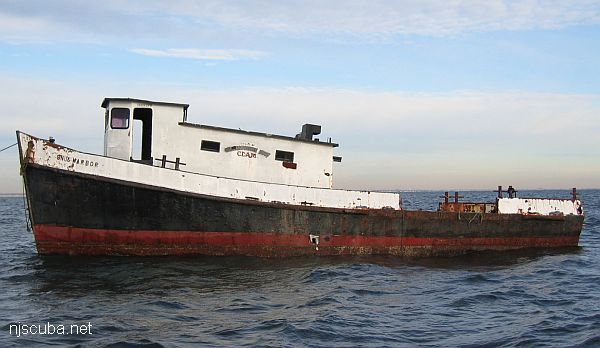
- Type:
- artificial reef, trawler
- Built:
- 1954, N.R. Norton Welding Co, Bayou La Batre, AL USA
- Specs:
- ( 65 ft ) 50 GT
- Sponsor:
- Manasquan River Marlin & Tuna Club, Ann E Clark Foundation
- Sunk:
- Saturday January 28, 2006 - Axel Carlson Artificial Reef
- GPS:
- 40°03.452' -73°59.985'
- Depth:
- 80 ft
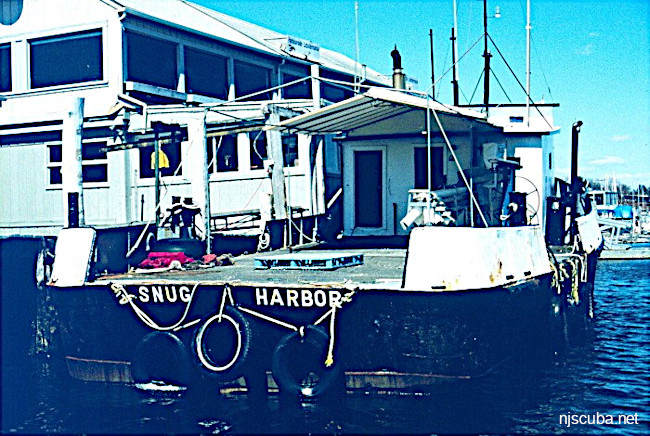
The Snug Harbor was a "buy boat" in the quahog fishery in Naragansett Bay Rhode Island. The clam fishery there is much different than here. The clams are raked up by hand from small boats in shallow water, and then sold to a "buy boat", which takes the accumulated catch to port. At least that's how it was - see the article linked below.
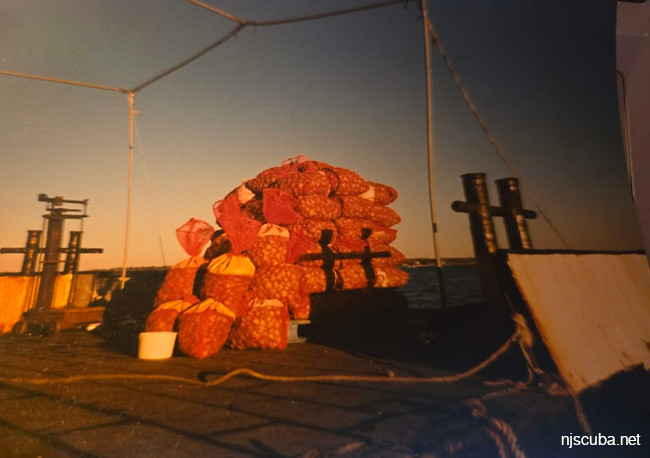
From Bullrakes to Clambakes
The folklife of the Narragansett Bay quahogging industry.
by Michael E. Bell
...
One of the rare occasions when diggers gather outside of work contexts is at the annual, word-of-mouth clambake on Prudence Island. Bill Hollenbeck, Captain of the Snug Harbor, spoke about the event, concluding his narrative with a description of the traditional Rhode Island clambake. "The quahogs, lobsters, corn-on-the-cob, and so forth are cooked in a hole with rockweed. You get the rocks hot and then you throw in the rockweed and you put the food in and cover it with seaweed (it's different from rockweed), and throw a tarp over the whole thing and it steams. The rockweed has these little balls full of water, and when they get hot, they pop and make steam. And that's the real genuine clambake. That's the way they did it three hundred years ago. Do you realize there's very few people who still know how to do that?"
https://quahog.org/FactsFolklore/Cultural_Brouhaha/Bullrakes_to_Clamcakes
266929
Questions or Inquiries?
Just want to say Hello? Sign the .