
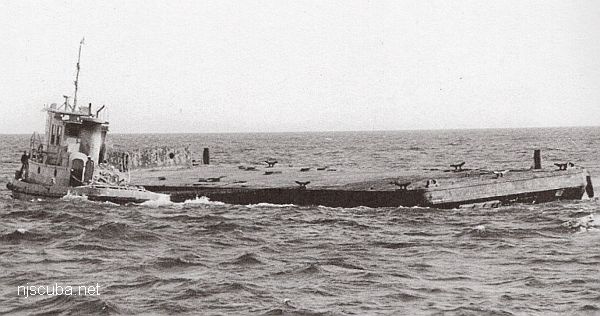
- Type:
- artificial reef, barge
- Specs:
- ( 109 x 34 ft )
- Sponsor:
- Friends of Craig and Pat Thoman
- Sunk:
- Tuesday January 15 2002 - Sea Girt Artificial Reef
- GPS:
- 40°07.370' -73°56.765'
More: Wedding barge ...
A ship is a large watercraft that travels the world's oceans and other sufficiently deep waterways, carrying goods or passengers, or in support of specialized missions, such as defense, research, and fishing. Ships are generally distinguished from boats, based on size, shape, load capacity, and tradition.
More: Gallery of Ships ...
More: Wedding barge ...
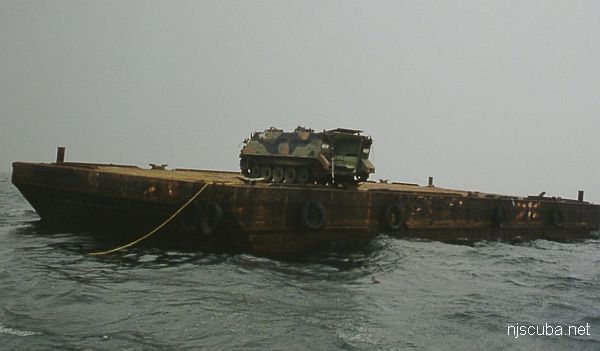
More: Weeks barge ...
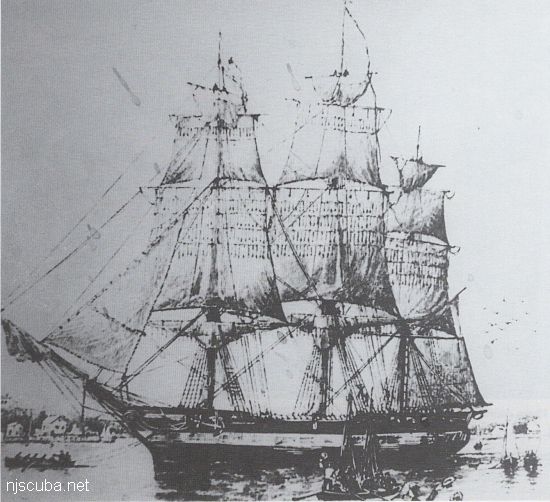
More: Western World ...
The Diggs was engaged in a salvage operation at the time of her loss and actually settled on top of another shipwreck, of unknown origin. The green blinker buoy for which it is known was removed after the wooden wreck was demolished in the 1970s. Also known as the "Green Blinker Wreck".
More: William B. Diggs ...
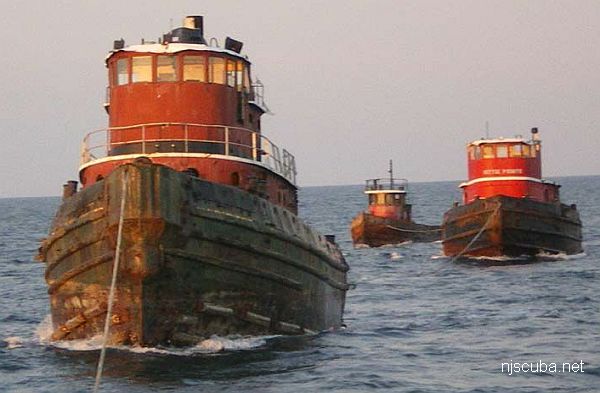
More: William C Snow ...
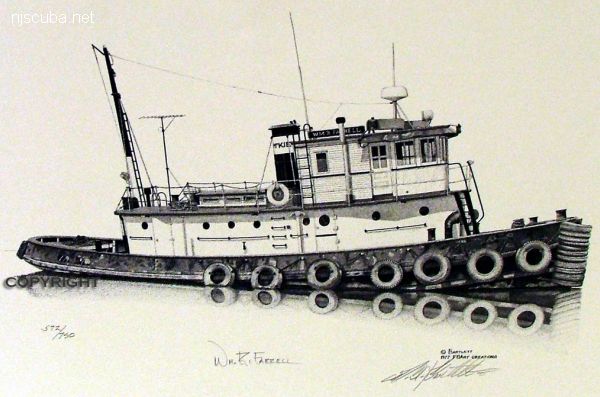
More: William R Farrell ...
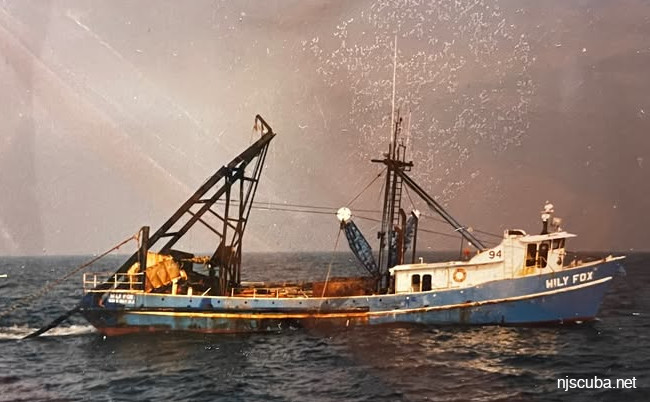
More: Wily Fox ...
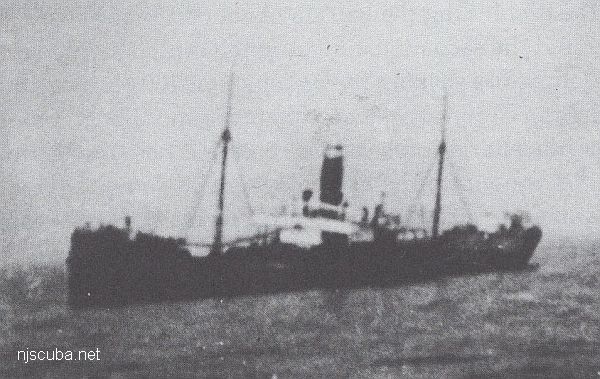
More: Winneconne ...
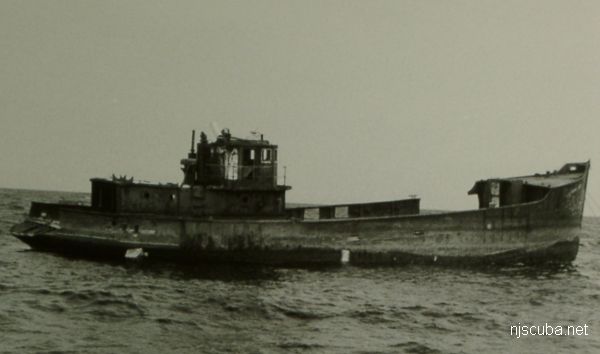
More: Winthrop ...
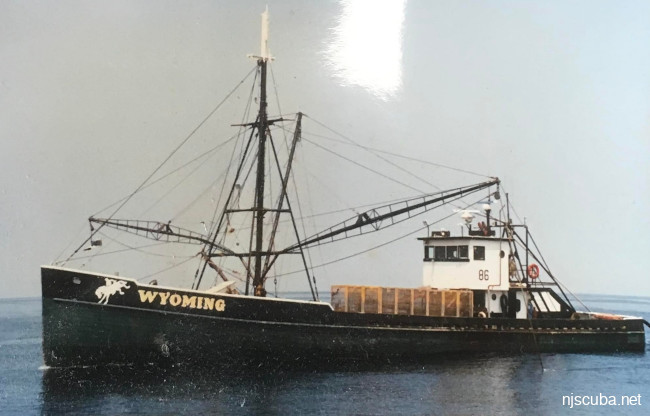
More: Wyoming ...
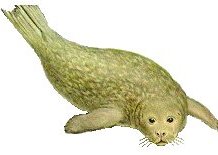
Phoca vitulina
by Larry Sarner
Wild seals conjure up images of northern or even Arctic climates. But few people know that more than a hundred harbor seals call New Jersey home during the winter months, coming ashore into isolated estuaries and even upstream into a few rivers.
New Jersey is near the southern limits of the range for harbor seals on the East Coast. However, these seals are frequent visitors offshore in winter and even have been reported as far south as the mouth of the Chesapeake Bay in Virginia and off the coast of North Carolina. The winter seal-sighting season runs from December through March. Seals generally leave the New Jersey coast by the second week in April, probably responding to rising air and water temperatures and the increase in human activity.
More: Harbor Seal ...