Dive Sites (3/46)

Dive Sites - pick your starting point

 1  2 3 4  46  

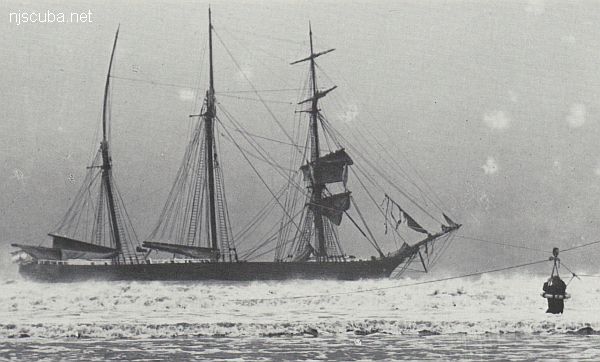
Shipwreck Antioch
Note the life-saving breeches-buoy at right
Type:
shipwreck, sailing ship, USA
Built:
1876
Specs:
( 180 ft ) 986 tons, 10 crew
Sunk:
Friday March 27, 1914
ran aground - no casualties
Depth:
20 ft

Probably sanded-in by beach restoration work


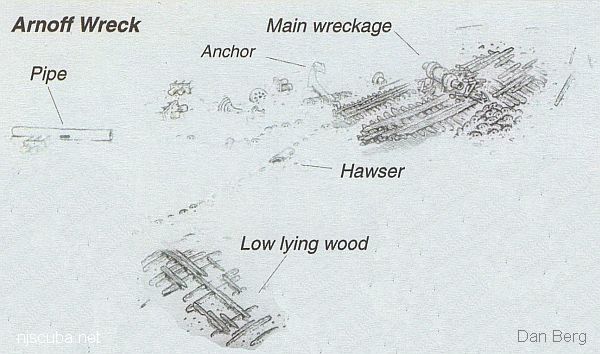
Shipwreck Arnoff
Type:
shipwreck, schooner barge
Specs:
( 200 ft est.)
Sunk:
late 1800s ?
Depth:
80 ft

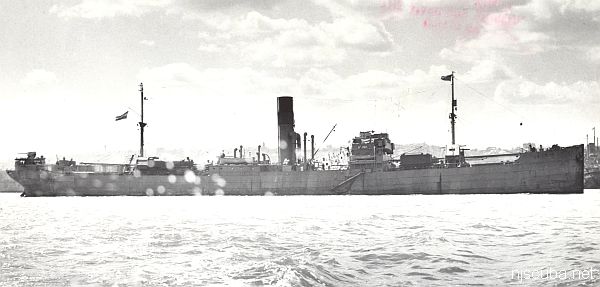
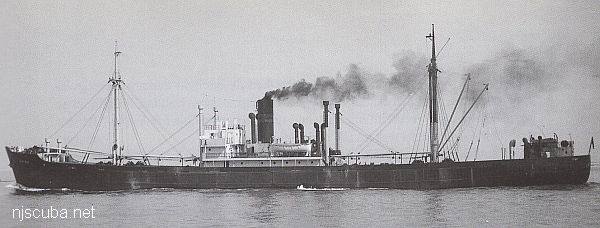
Shipwreck Arundo
The Arundo as she appeared just prior to sinking.
Note the locomotives on deck, foreward of the aft mast.
Type:
shipwreck, freighter, Netherlands
Built:
1930, New Castle England, as Petersfield
Specs:
( 412 x 55 ft ) 5163 gross tons, 43 crew
Sunk:
Tuesday April 28, 1942
torpedoed by U-136 - 6 casualties
Depth:
140 ft max; 110 ft min; 125 ft typical

Type:
shipwreck, schooner barge
Specs:
( 330 x 40 ft )
Sunk:
March 12, 1932
Depth:
95 ft

Capt. Mick Trzaska of the dive boat CRT II also calls this the "Bomb Wreck", since it once produced a live aircraft-type explosive. * A diver had sent it up with a lift bag thinking it was a champagne bottle! How it got there is anyone's guess.

* Probably a World War II hedgehog.


Shipwreck Astra
Type:
shipwreck, freighter, Denmark
Name:
Astra is Latin for star.
Built:
1945, Denmark, as Gudnaes
Specs:
( 333 x 51 ft ) 2709 gross tons, 105 passengers & crew
Sunk:
Friday March 30, 1951
collision with freighter Steel Inventor ( 5689 tons) - 5 casualties
Depth:
85 ft

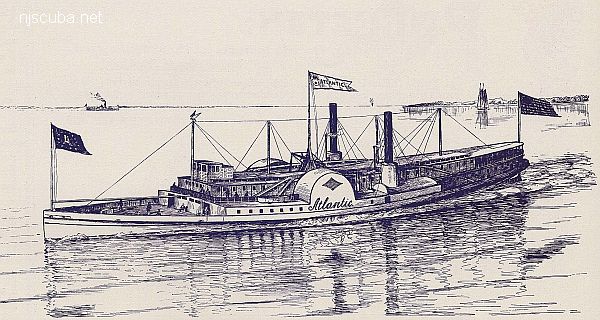
Shipwreck Atlantic
Type:
shipwreck, steamer, USA
Built:
May 1846, Jeremiah Simonson, New York NY USA
Specs:
( 320 x 36 ft ) 1112 gross tons, 75 passengers & crew
Sunk:
Friday November 26, 1846
boiler explosion; then grounded during storm on Fisher's Island - 45 casualties
Depth:
20 ft

Atlantic Beach Artificial Reef

3.0 nautical miles south of Atlantic Beach, 0.64 sq miles
Depth: 55 - 64 ft


Atlantic City Artificial Reef

12.2 Nautical Miles off Atlantic City, 5.00 sq miles
Depth: 55-95 ft [download]


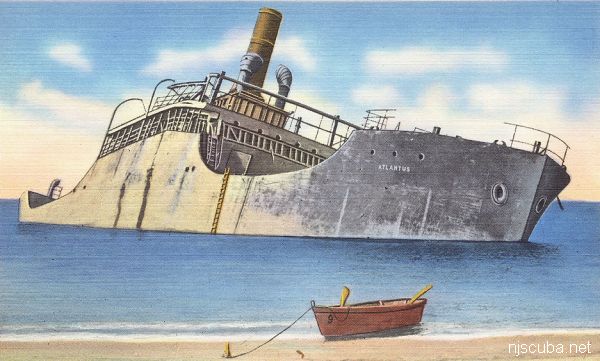
Shipwreck Atlantus
Type:
shipwreck, freighter, USA
Built:
1918, Liberty Shipbuilding, Brunswick GA USA
Specs:
( 260 x 43 ft ) 2000 gross tons, no crew
Sunk:
Tuesday June 8, 1926
dragged anchor and grounded in storm while awaiting final disposition
Depth:
25 ft

Dive Sites

 1  2 3 4  46  

Marine Life Colonization of Experimental
Reef Habitat in Temperate Ocean Waters of New Jersey

By Bill Figley
January 2003

This investigation was partially funded by the Federal Aid to Sportfish Restoration Program

for the original paper, see here.


ABSTRACT

A biological colonization study of experimental reef habitats in temperate ocean waters off New Jersey was conducted over a 96-month period. A total of 145 different taxa of 9 phyla were identified within the experimental units, including 42 arthropoda, 37 annelida and 43 molluska. Individual organisms had an estimated mean abundance of 534,566 organisms/m2 of habitat footprint, including 105 fish, 4,639 crabs and 14 lobsters. Colonial organisms covered 87,554 cm2 of the habitat surface area. Mean total biomass of the organisms inhabiting the units was 84,175 g/m2, with blue mussel comprising 63 percent of the total. The carrying capacity of the experimental habitat for all species of marine life was about 152,801 g/m2. Predation accounted for an 80 percent reduction of biomass between surfaces exposed and not exposed to predators. There were no statistically significant differences in biological colonization rates of sessile epibenthos on concrete, rock, steel and rubber substrates. On an equivalent area basis, the biomass enhancement ratios of the experimental reef habitats over surf clam-dominated and polychaete/crustacean-dominated sand bottom habitats ranged from 35 to 1,124 and 2,773 to 3,200 times, respectively. A simplified, three-tiered reef habitat food chain consisted of 84.5 percent sessile/sedentary invertebrates, 11.0 percent mobile invertebrates and 4.5 percent juvenile and adult fish. The results suggest that complex reef habitats provide both attachment surfaces and refuge habitats that support a diverse and abundant marine life community.