Dive Sites (33/46)

Dive Sites - pick your starting point

 1  32 33 34  46  

Type:
shipwreck, schooner barge
Depth:
80 ft

Very low-lying wooden wreckage of unknown origin. Just a single line of ribs, with nothing off to either side. If sanded-in ( as usual ) this spot can be a complete waste of time.


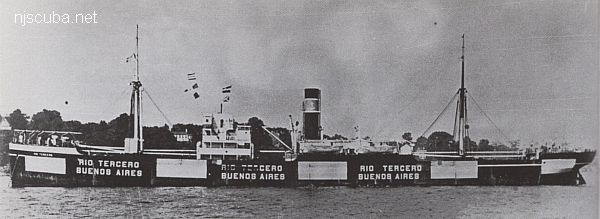
Shipwreck Rio Tercero
Type:
shipwreck, freighter, Argentina
Built:
1912, England, as Fortunstella
Specs:
( 405 x 54 ft ) 4864 gross tons
Sunk:
Monday June 22, 1942
torpedoed by U-202 - 5 casualties
Depth:
400 ft ?


Rjukan

Type:
shipwreck, sailing ship, Norway
Specs:
( 160 ft ) 960 tons, 20 crew
Sunk:
Tuesday December 26, 1876
ran aground in bad weather - no casualties
Depth:
25 ft

low scattered wooden debris, 200 yards offshore


Type:
shipwreck, schooner, USA
Built:
1886, Rockland ME USA
Specs:
( 225 x 37 ft ) 1556 tons
Sunk:
February 8, 1899; unknown
Depth:
23 ft

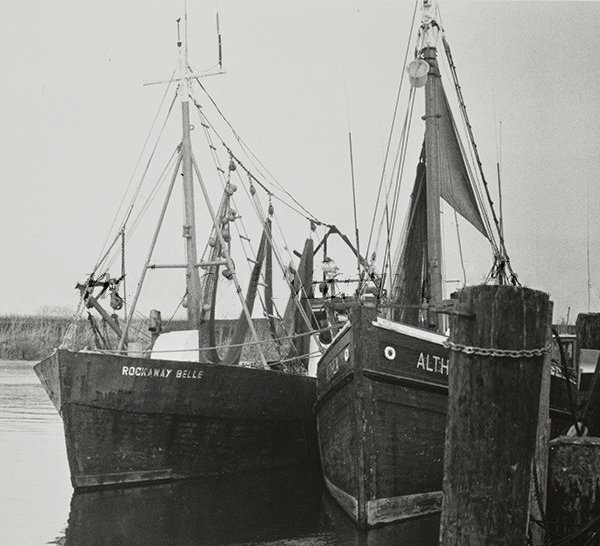
aka "Derrick Barge"


At Point Pleasant, 1981

Rockaway Belle is listed as Army tug-transport T-1, built by Simms Brothers, Dorchester MA, 1942. 'T-boats' were 65-foot, 45 ton diesel-powered, passenger-cargo boats that doubled as harbor tugs. 170 of them were constructed during WWII, and many more afterwards. From 1940 through 1951 all T-Boats were built of wood, thereafter steel. Rockaway Belle was T-1 of the T-1 class, sold as surplus in 1947.

Rockaway Belle sank some time after 1977, there is a record of her active then.


Rockaway Inlet


Rockaway Artificial Reef

1.6 nautical miles south of Rockaway Beach, 1.00 sq miles
Depth: 32 - 40 ft


Shipwreck Roda
Type:
shipwreck, freighter, England
Built:
1897, England
Specs:
( 315 x 44 ft ) 2516 gross tons
Sunk:
Thursday February 3, 1908
ran aground in heavy fog - no casualties
Depth:
20 ft

debris field, bow, stern, boiler


pelican

These are birds that are occasional to regular visitors to our region but do not live here year-round. Pelicans are summer visitors, Gannets are winter visitors. Others may appear any time, usually after being blown inshore by a storm. Because they can be carried thousands of miles off-course in storms, many other types of sea birds, from Europe, Africa, South America, the Arctic, and even Asia may make guest appearances as well.

Brown Pelicans Pelecanus occidentalis are southern birds that are occasionally found as far north as Cape May, rarely up to Nova Scotia. However, with the warmer temperatures of late, they seem to be expanding their normal range northward.