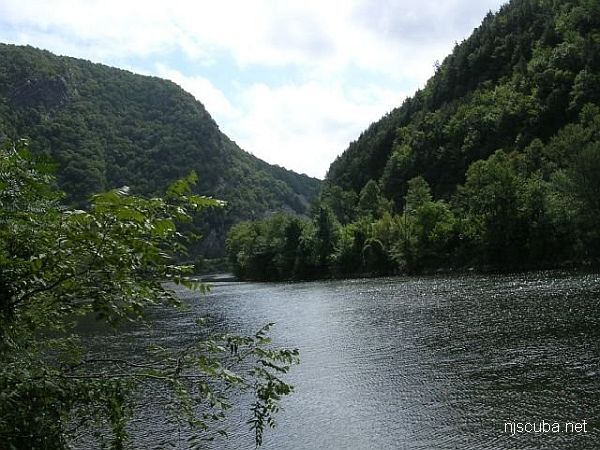
Delaware Bay
I doubt this is a good place to dive. Even without the river pollution, the bottom is muddy and the water is full of silt. If anyone knows anything different, let me know.
More: Delaware Bay ...
Dive Sites - pick your starting point
More: Dive Sites ...
Delaware Bay
I doubt this is a good place to dive. Even without the river pollution, the bottom is muddy and the water is full of silt. If anyone knows anything different, let me know.
More: Delaware Bay ...
Delaware Bay Artificial Reef
1.13 sq miles
Depth: 22-27 ft [download]
More: Delaware Bay Artificial Reef ...
Delaware Artificial Reefs
Delaware has a string of artificial reef sites in the Delaware bay, but they are of little interest to divers. Most of the sites are quite shallow and perilously close to the shipping lanes, several of them were actually reduced for this reason. The conditions in the bay are hardly good for diving. The reefs consist mostly of concrete rubble from construction in Philadelphia and other cities on the river. Also shown is New Jersey's sole artificial reef in the bay.
More: Delaware Bay Reefs ...
DelJerseyLand Inshore Artificial Reef
26 Nautical Miles from Indian River Inlet, 1.51 sq miles
Depth: 120-140 ft [download]
More: DelJerseyLand Artificial Reefs ...
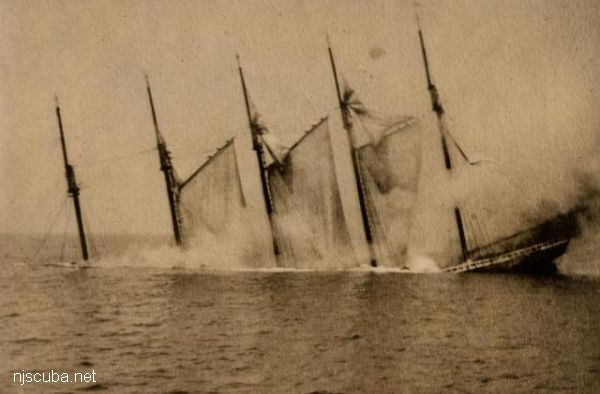
low debris field mostly buried in the sand
More: Dorothy B Barrett ...
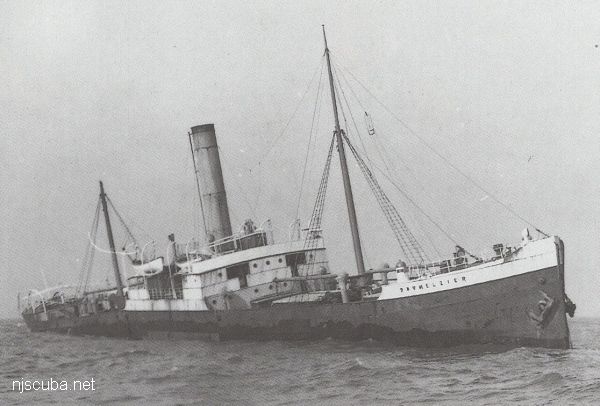
More: Drumelzier ...
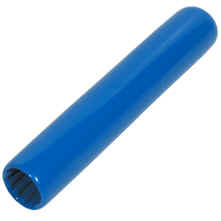
Hose protectors are those funny rubbery tubes that fit over the ends of your air hoses. Their purpose is to prevent the hose from being bent sharply at the connector, which will eventually cause it to fail. However, they are practically impossible to put on. Here's a hint that makes it easy:
Soak the hose protector for a few minutes in not-quite-boiling water. This will make it much more soft and pliable. Then fish it out and jam it onto the hose quickly before it cools and hardens. Be careful not to get water in the hose orifice. Maybe I'm slow, but it took me quite a while to figure out this simple trick.
More: Regulators - Hose Protectors ...