
Dive Sites (14/46)
Dive Sites - pick your starting point
More: Dive Sites ...
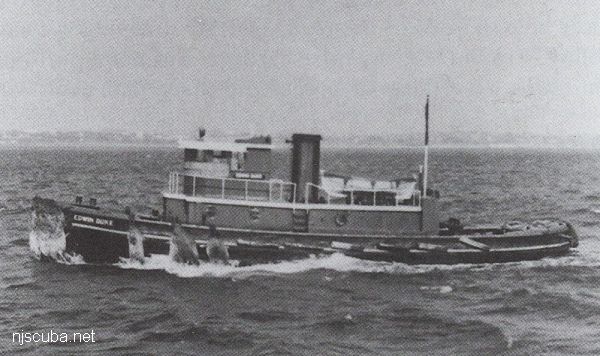
More: Edwin Duke ...
- Type:
- shipwreck, clam dredge, USA
- Sunk:
- early 1960s
- Depth:
- 50 ft
aka "Southern Pet Wreck"
More: Elizabeth Warren ...
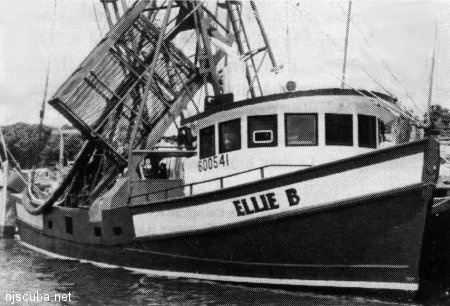
- Type:
- shipwreck, clam dredge, USA
- Built:
- 1978, Ancient City Boat Yard, St. Augustine, FL USA
- Specs:
- ( 68 ft ) 3 crew
- Sunk:
- January 17, 1999; ran up on jetty
no casualties - Depth:
- 15 ft
More: Ellie B ...
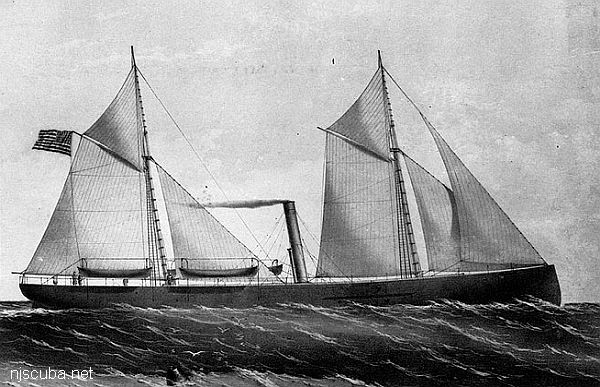
- Type:
- shipwreck, steamer, USA
- Built:
- November 1864, S.M. Pook (see below), Fair Haven, CT
- Specs:
- 500 tons
- Sunk:
- Wednesday April 30, 1873
foundered after losing a propeller shaft - no casualties - Depth:
- 75 ft
More: Emerald - USS Hibiscus / Frances Wright ...
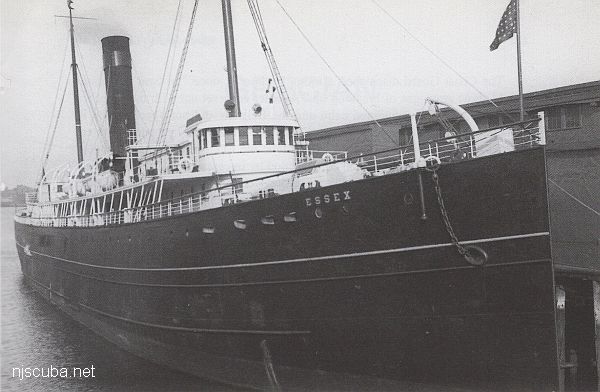
- Type:
- shipwreck, steamer
- Built:
- 1890, Cramp Shipbuilding, Philadelphia PA USA
- Specs:
- ( 272 x 40 ft ) 3018 tons
- Sunk:
- Thursday September 25, 1941
ran aground on Block Island - no casualties - Depth:
- 30 ft
bow, boilers, hull plates & ribs
More: Essex ...
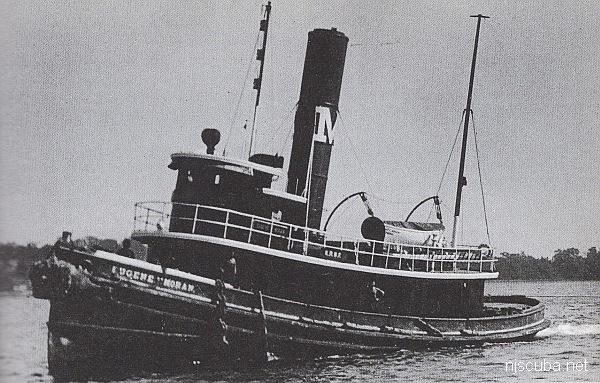
- Type:
- shipwreck, tugboat, USA
- Built:
- 1902, Neafie & Levy, Philadelphia PA USA as Charles E. Matthews
- Specs:
- ( 91 x 22 ft ) 164 gross tons, 11 crew
- Sunk:
- Sunday December 9, 1917
foundered in storm - no survivors - Depth:
- 25 ft
More: Eugene F Moran ...
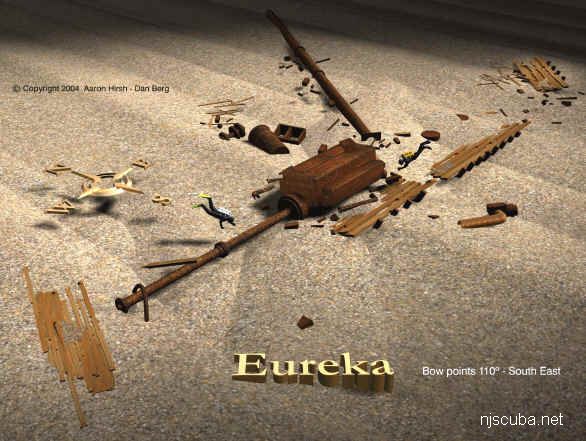
- Type:
- shipwreck, tanker
- Depth:
- 40 ft
The Evening Star or 'Pig Iron Wreck' appears to be the remains of a tanker that ran aground and broke up. The wreck sits in 40 ft of water and is scattered over a relatively large area.
More: Evening Star ...
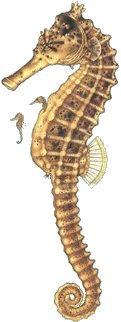
Hippocampus erectus
Size: to 6"
Habitat: Weedy protected shore waters.
Notes:
Look for Seahorses in still weedy areas, where they cling to plants and objects with their prehensile tails. Color and body form are highly variable, as these masters of camouflage adapt to their surroundings. Strays may be found at sea, or even washed up on the beach.
More: Lined Seahorse ...