Dive Sites (45/46)

Dive Sites - pick your starting point

 1  44 45 46  

Warships

A number of warships are sunk in New Jersey and New York waters:

Warships


Type:
shipwreck, barge
Specs:
436 tons
Sunk:
Wednesday May 25, 1932
Depth:
45 ft

wooden


Type:
shipwreck
Depth:
210 ft

unidentified wooden wreck


Shipwreck Western World
Type:
shipwreck, sailing ship, England
Specs:
( 287 x 38 ft ) 2458 gross tons, 300+ passengers & crew
Sunk:
Saturday October 22, 1853
ran aground in heavy fog - no casualties
Depth:
25 ft

Wildwood Artificial Reef

4.5 Nautical Miles off Wildwood, 2.99 sq miles
Depth: 40-65 ft [download]


Type:
shipwreck, barge
Built:
1918
Specs:
1041 tons
Sunk:
Monday September 3, 1934
foundered - no casualties
Depth:
42 ft

The Diggs was engaged in a salvage operation at the time of her loss and actually settled on top of another shipwreck, of unknown origin. The green blinker buoy for which it is known was removed after the wooden wreck was demolished in the 1970s. Also known as the "Green Blinker Wreck".


Shipwreck Winneconne
Type:
shipwreck, freighter, USA
Name:
Named for a town in eastern Wisconsin?
Built:
1907, England, as Hogland
Specs:
( 271 x 39 ft ) 1869 gross tons
Sunk:
Sunday June 2, 1918
bombed by U-151 - no casualties
Depth:
220 ft


Clam Dredge
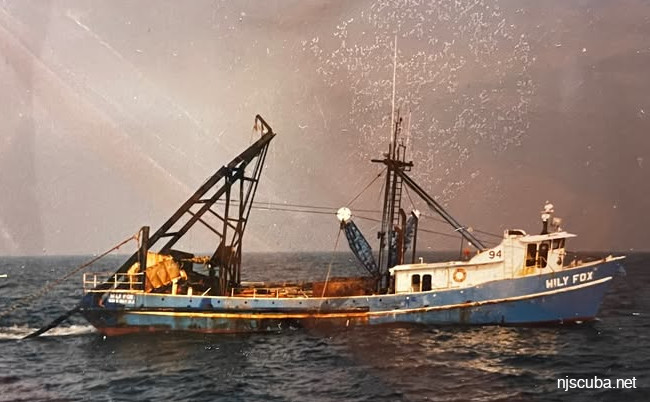
The Adriatic - an old clam dredge, Notice the "birds" hanging from the ends of the outriggers. These are lowered into the water while underway to stabilize the vessel.

A dredge is a vessel designed to remove sediment from the bottom, generally for the purpose of widening and deepening ship channels. However, the term is often applied to a specialized type of trawler. A clam dredge is a special type of trawler that takes clams from the sand. The device that actually does this is also called a dredge. Resembling a large steel cage, it is dragged across the sandy bottom, and rakes out the shellfish, along with rocks, debris, some bottom fish and lobsters, the occasional lost anchor, and anything else that is in its path.