Dive Sites (34/46)

Dive Sites - pick your starting point

 1  33 34 35  46  

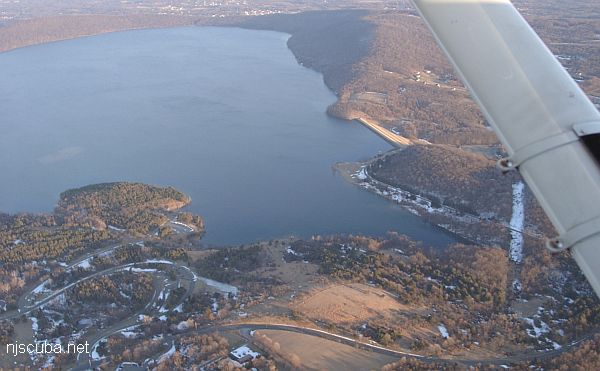
Round Valley Reservoir
Looking roughly southeast, with the diving cove in the foreground. The natural basin of the valley is evident, as well as one of the two dams, at right. The water level looks pretty high, with a little snow on the ground.
Type:
freshwater artificial reservoir
Depth:
180 ft, but less than 60 ft in the usual area


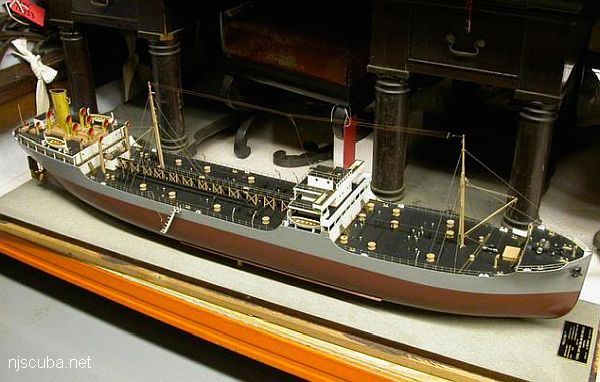
Shipwreck RP Resor
A model of the Resor
Type:
shipwreck, tanker, USA
Name:
Named for R P Resor, Treasurer of Standard Oil.
Built:
1936, Federal Shipbuilding, Kearny NJ USA
Specs:
( 435 x 66 ft ) 7451 gross tons, 49 crew
Sunk:
Friday February 28, 1942
torpedoed by U-578 - 2 survivors
Depth:
125 ft


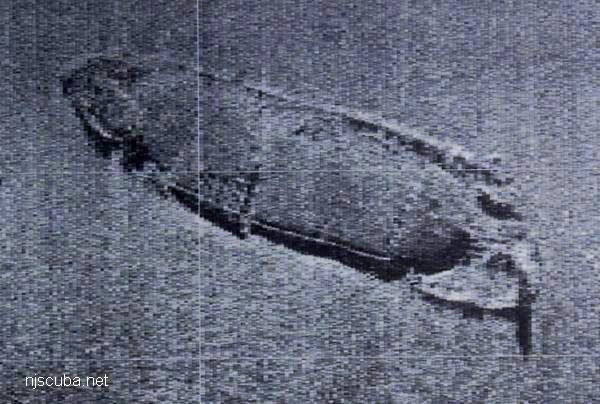
Shipwreck Rump
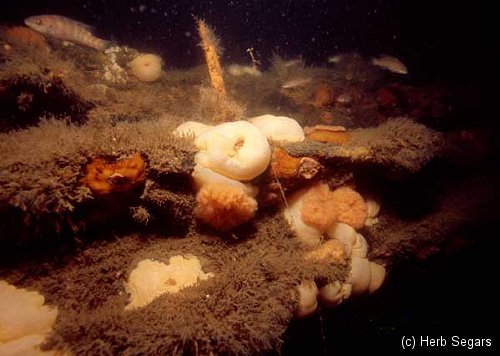
A spike protrudes from wooden decking
Type:
shipwreck, schooner barge
Specs:
approximately 150 ft
Depth:
80 ft

Type:
shipwreck, barge
Specs:
( 200 x 24 ft ) 485 tons
Sunk:
Saturday November 11, 1939
Depth:
85 ft

carrying a cargo of stone


The "Sachem" wreck is typical of the remains of many unknown wooden sailing ships that are found off the coast. Three parallel sets of ribs and scattered decking between provide good habitat for lobster. The wreck sits in 60' of water on a clean sandy bottom and visibility is usually good on this site. Fairly large and scattered, it also provides a good opportunity for the spearfisherman.


Type:
shipwreck, schooner barge
Built:
1900
Specs:
703 tons, 3 crew
Sunk:
Sunday April 3, 1932
- no survivors
Depth:
55 ft


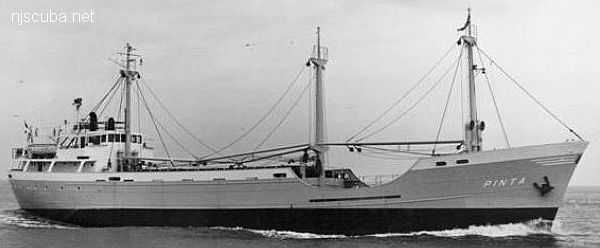
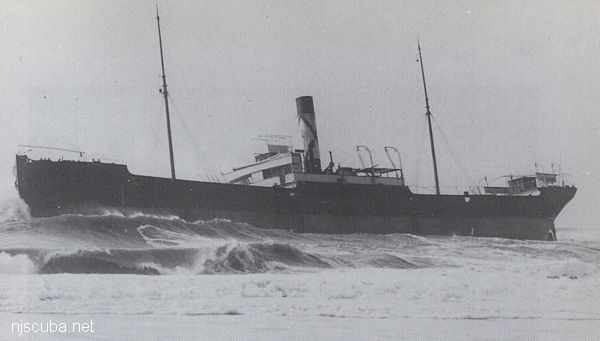
Shipwreck San Jose
Type:
shipwreck, freighter, USA ( United Fruit Company, now Chiquita )
Built:
1904, Ireland
Specs:
( 330 x 44 ft ) 3358 gross tons, 35 crew
Sunk:
Saturday January 17, 1942
collision with C2-class freighter Santa Elisa - later torpedoed by U-123 - no casualties
Depth:
100 ft


RULES AND REGULATIONS

  1. Fish must be caught in New Jersey waters.
  2. Saltwater species taken from a boat must have been caught from a boat which left from and returned to a New Jersey port during the same trip.
  3. Fish must have been caught on sporting tackle, hooked and landed by entrant.
  4. New Jersey state records are determined by weight alone. There are no line classes.
  5. Fish must be weighed on a certified scale.
  6. A clear photograph of the fish must be furnished for identification purposes. In the case of freshwater species, a yardstick must be placed next to fish to clearly show length.
  7. Fish should be refrigerated to permit inspection by a biologist in cases of uncertain identification.

Catch a fish that may not be of record size but is of sufficient size and weight to have tested your skill and/or be of "bragging" size? Then enter your catch in the Division of Fish and Wildlife's Skillful Angler Awards Program.