Dive Sites (21/46)

Dive Sites - pick your starting point

 1  20 21 22  46  


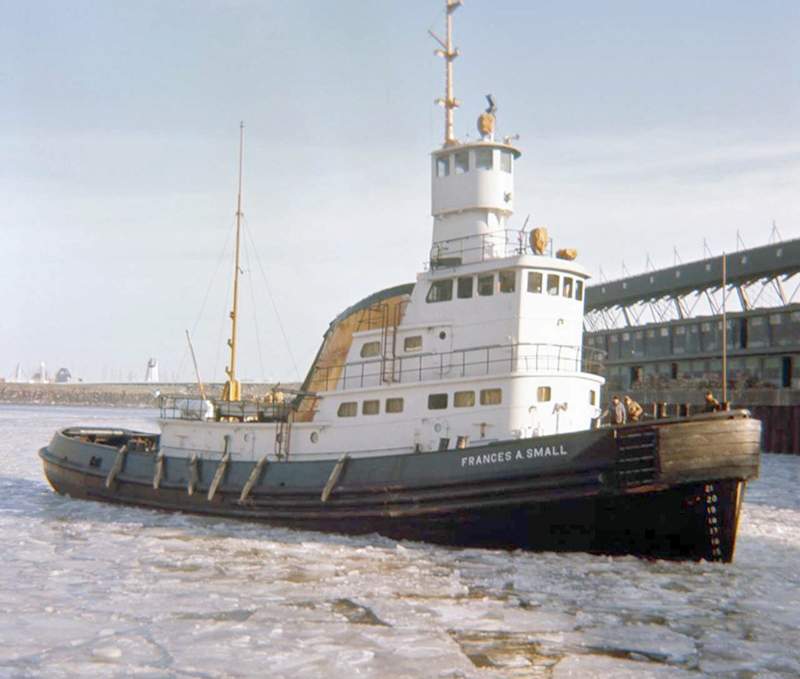
Type:
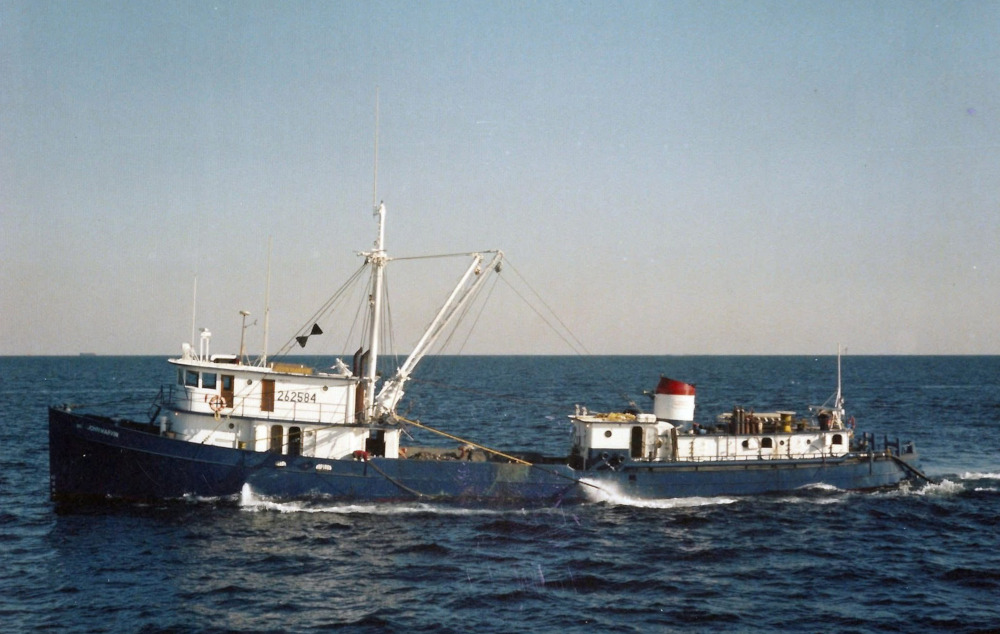
shipwreck, clam dredge, USA
Built:
1951, RTC Shipbuilding, Camden NJ, USA, as Maidstone
Specs:
( 120 ft ) 227 gross tons, 5 crew
Sunk:
Thursday January 16, 1992; winter storm - no casualties
Depth:
70 ft

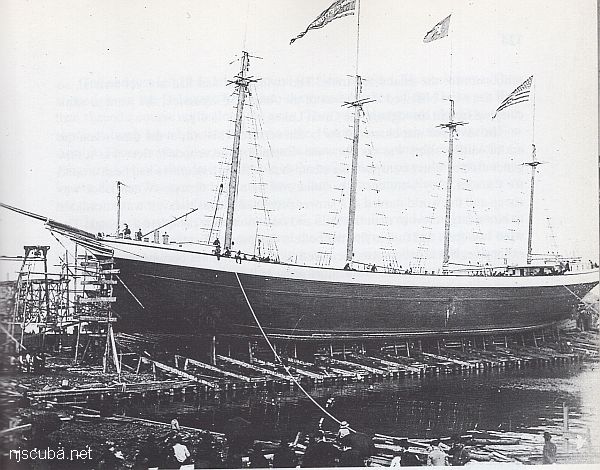
Shipwreck John Minturn
Type:
shipwreck, sailing ship, USA
Built:
1841, Westerly RI USA
Specs:
( 119 x 27 ft ) 398 tons
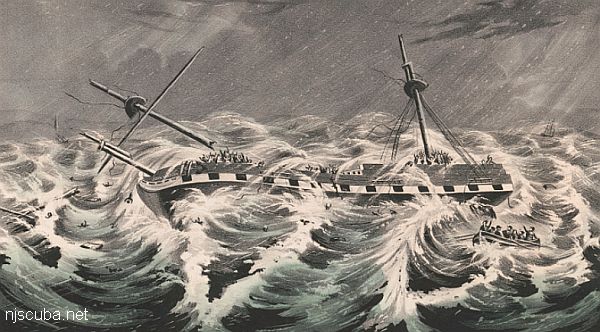
Sunk:
Thursday February 15, 1846
ran aground in storm - approximately 10 survivors and 40 dead
Depth:
20 ft

Jones Inlet


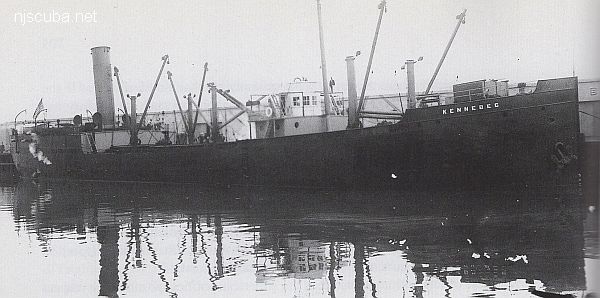
Shipwreck Kennebec
Type:
shipwreck, freighter, USA
Name:
Kennebec is a county and a major river in the state of Maine.
Built:
1901, Jenks Shipbuilding, Port Huron MI USA
Specs:
( 243 x 43 ft ) 2183 gross tons, 29 crew
Sunk:
Saturday June 18, 1921
sprung a leak - no casualties

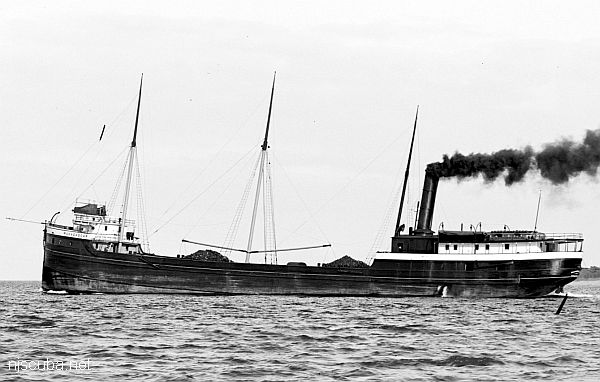
Shipwreck Kenosha
Type:
shipwreck, collier, USA
Name:
Kenosha, the seat of Kenosha County, is a city in southeastern Wisconsin on Lake Michigan.
Built:
1894, Davidson Shipbuilding, West Bay City MI USA, as Madagascar
Specs:
( 244 x 37 ft ) 1677 gross tons, 12 crew
Sunk:
Saturday July 24, 1909
foundered in storm - no casualties
Depth:
100 ft

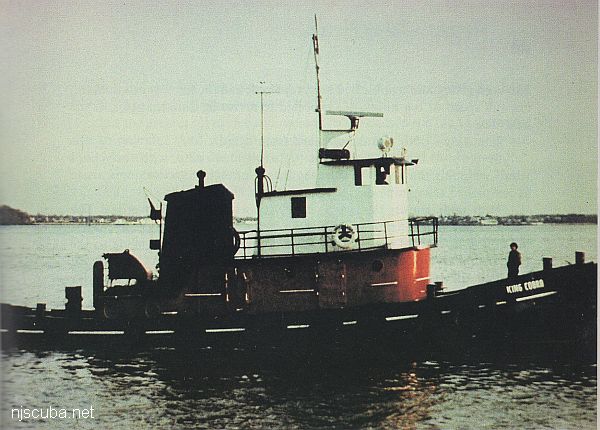
Shipwreck King Cobra
Type:
shipwreck, tugboat, USA
Built:
1887, Philadelphia PA USA, as Beverly Francis
Specs:
( 67 x 16 ft ) 52 gross tons, 4 crew
Sunk:
Wednesday January 3, 1979
unknown cause - no survivors
Depth:
45 ft

Kismet Artificial Reef

120 yards north of South Beach, 0.01 sq miles
Between Kismet and National Seashore dock
This reef is very close to land, it could even be a shore dive
Depth: 16 - 25 ft


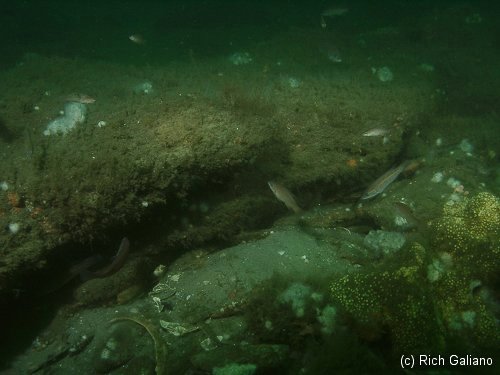
Klondike Rocks
The low, shelf-like structure of the rocks, which seldom rise
more than two feet above the bottom. Cunners

These low outcroppings appear in small to large patches over a two-mile area called the Klondike, and elsewhere, at depths ranging from 60 to 90 feet. The overhangs, crags, and holes afforded by the piles of rocks and boulders provide excellent homes for fish and lobsters. Visibility can be great here at times, but it is usually 10-20 ft, with a silty bottom in most places. The larger areas extend for many hundreds of feet, and an incautious diver can easily get lost. The stone itself is a type of sandstone known as Greensand, which occurs along the northern part of the New Jersey coast, and parts of Long Island, most famously as the Shrewsbury Rocks.


Zebra Mussel

Dreissena polymorpha

Size: to 2"

Habitat: grows profusely on any solid surface

Zebra Mussel

Notes: Zebra Mussels were introduced into the Great Lakes in the mid-eighties from the Caspian Sea region of Eurasia. They probably arrived as larvae in the ballast water of visiting ships. Since then, they have been having a regular party - spreading like wildfire and often covering every available hard surface, including each other. This wreaks havoc with power-plant cooling systems and municipal water supplies, where masses of the tiny bivalves clog pipes and water intakes. The mussels also radically alter the native lake ecology by efficiently filtering nutrients from the water. This does have one positive effect for divers, however. Apparently, the Great Lakes and surrounding waters have never been cleaner or clearer.