Dive Sites (39/46)

Dive Sites - pick your starting point

 1  38 39 40  46  

Type:
shipwreck, schooner barge, USA
Built:
1919
Specs:
( 281x45 ft )
Sunk:
November 28, 1921
foundered in a storm
Depth:
85 ft

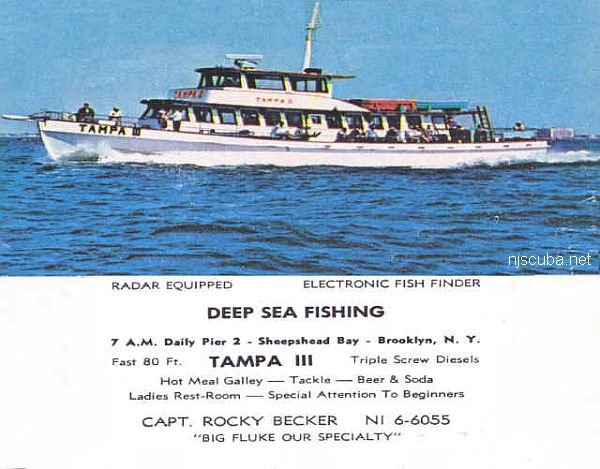
Shipwreck Tampa III
Type:
shipwreck, party boat, USA
Built:
1960, USA
Specs:
( 72 x 20 ft ) 90 gross tons
Sunk:
Saturday July 4, 1970
collision in fog with freighter Mormacglen (12,700 DWT), 1 casualty
GPS:
40°28.093' -73°53.578' (AWOIS 1986)
Depth:
50 ft

Type:
shipwreck, schooner barge, USA ( formerly a clipper )
Built:
1864, Goss & Sawyer, Bath ME USA, as Ocean Signal
Specs:
( 187 x 38 ft ) 1265 gross tons, 4 crew
Sunk:
Wednesday January 26, 1898
foundered in storm - no survivors
Depth:
110 ft

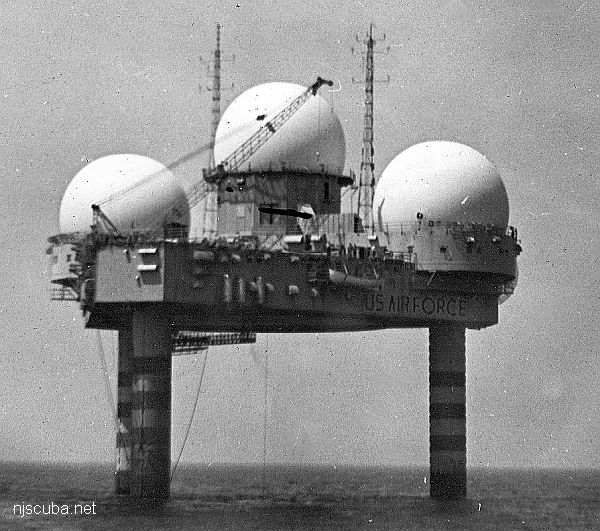
Texas Tower #4
Type:
collapsed radar platform, USAF
Built:
1955, Portland ME USA
Specs:
( 67 ft above water) 6000 tons, 14 crew (minimum)
Sunk:
Sunday January 15, 1961
storm/structural failure/design deficiency - no survivors
GPS:
39°47'56.43" -72°40'08.00" (US Navy 2004)
Depth:
180 ft, starts at 110 ft

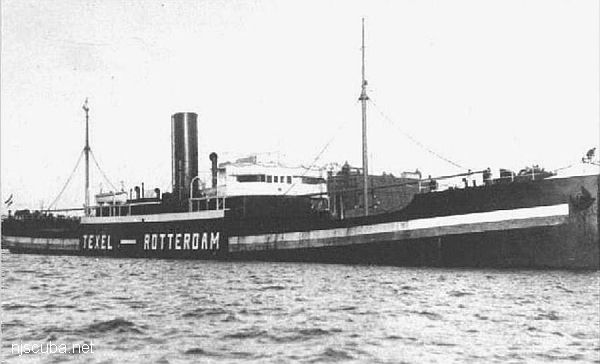
Shipwreck Texel
Type:
shipwreck, tanker, USA
Name:
Texel is the easternmost of the Frisian islands off the coast of Holland, which are similar to our own barrier islands.
Built:
1913, Denmark
Specs:
( 331 x 48 ft ) 3220 gross tons, 36 crew
Sunk:
Sunday June 2, 1918
bombed by U-151 - no casualties
Depth:
230 ft

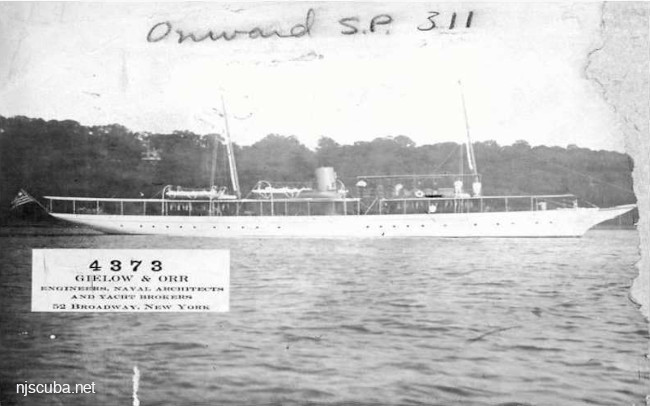
Type:
shipwreck, tugboat, USA
Built:
1885, USA
Specs:
( 55 ft )
Sunk:
autumn 1973; foundered - no casualties
Depth:
100 ft


Shipwreck Thomas Hebert
Type:
shipwreck, tugboat
Built:
1975, Orange TX USA
Specs:
( 89 x 27 ft ) 99 tons, 7 crew
Sunk:
Sunday March 7, 1993
cause unknown - two survivors
Depth:
140 ft

Type:
shipwreck
Depth:
80 ft

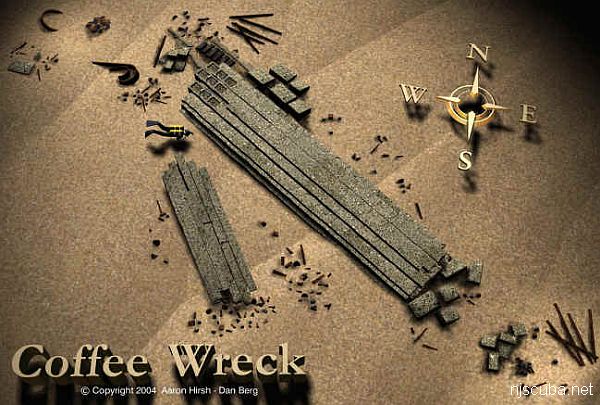
The "Three Sisters", as she is called, is an unidentified wooden-hulled vessel. She sits in 80 ft of water some 13 miles south of Atlantic Beach Inlet. She sits on a sandy bottom, spread out over a small area. Her boiler and a 4 bladed propeller are still visible. Wooden beams and planking spread out from the boilers aft towards the propeller. Occasionally some artifacts are found, mostly brass fittings. This is generally a decent wreck for lobsters and spearfishing. This wreck is in a main shipping channel, and large vessels make large wakes, so secure all gear.


Shipwreck Thurmond
The unusual submarine-like hull form of a whale-back steamer. Sea-keeping was poor, and the design was ultimately not successful, and died out.
Type:
shipwreck, "whale-back" steamer, USA
Built:
1890, AmShip Superior, Duluth MN USA, as Colgate Hoyt
Specs:
( 276 x 36 ft ) 1253 displacement tons
Sunk:
Saturday December 25, 1909
ran aground in thick fog - 10 casualties
Depth:
14 ft


General

blackfish

Most underwater hunting in New Jersey waters is done around some sort of structure. Surprise is often the key element to a successful hunt. "Get the drop" on a fish by rounding a corner or popping up over a wall while holding your breath. Don't use a light - this just spooks the fish. Instead, let your eyes adjust to the dark. This way you can see as well as they can, although they can still hear and feel you coming a mile away. Use your light only to peek into black holes, and keep one eye closed when you do, to avoid losing all dark adaptation.

Try to be the first person in the water. The fish will be in a relaxed and unworried state, and you will likely get the first one "for free". This is especially true if you are after trophy-sized Blackfish. Whether or not you score on your first shot, after that all the fish in the area will be spooked. This is because they produce "fear scents" - chemical excretions that warn other fish that there is danger. If you make a kill, you will put blood in the water, which is even worse. So make that first shot count. On the other hand, sometimes the scent of blood will bring in more fish, such as greedy Sea Bass, although more often just Cunners.