Dive Sites (43/46)

Dive Sites - pick your starting point

 1  42 43 44  46  


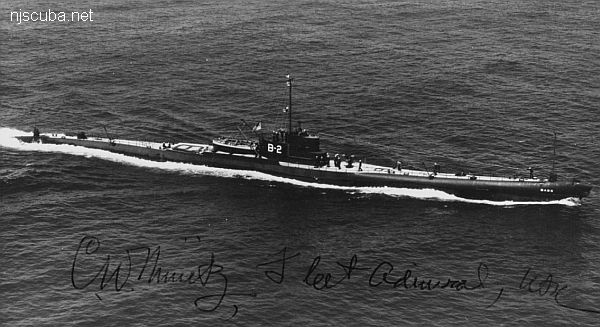
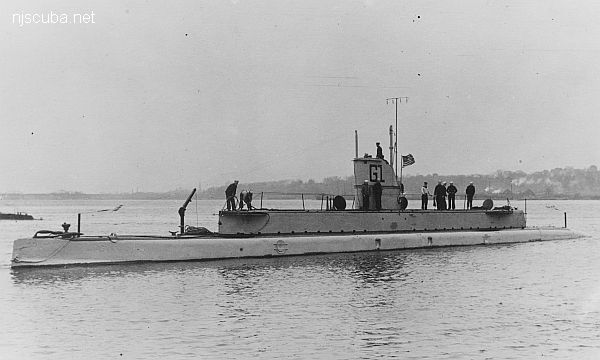
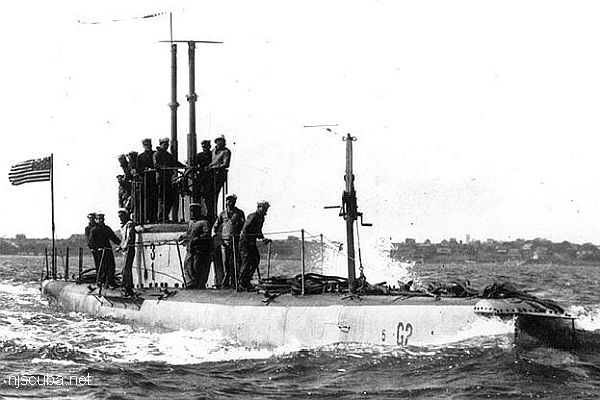
Shipwreck USS G-2
Type:
shipwreck, submarine, U.S. Navy
Built:
1912, Lake Torpedo Boat Company, Newport News, VA USA
Specs:
( 161 x 13 ft ) 400 tons, no crew
Sunk:
Wednesday July 30, 1919
foundered after weapons tests - 3 casualties (inspection crew)
Depth:
81 ft


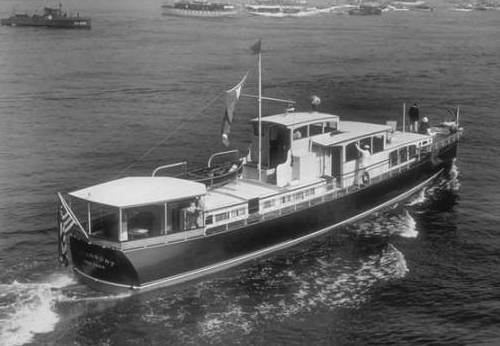
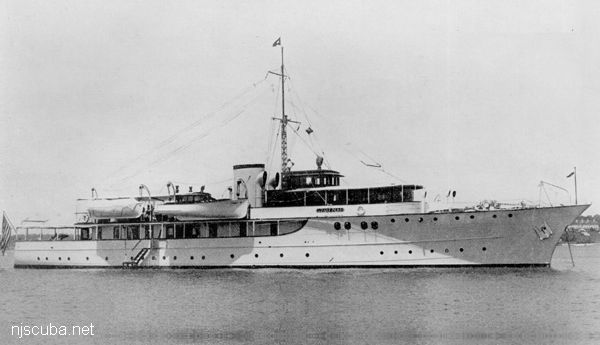
Shipwreck USS Moonstone
Lone Star
Type:
shipwreck, patrol boat, U.S. Navy (converted yacht)
Built:
1929, Germany, as Lone Star
Specs:
( 171 x 26 ft ) 469 gross tons, 47 crew
Sunk:
Friday October 15, 1943
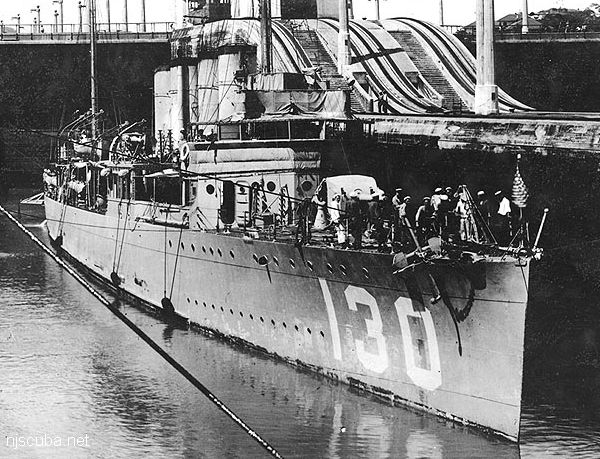
collision with destroyer USS Greer ( 1090 tons) - no casualties
Depth:
130 ft


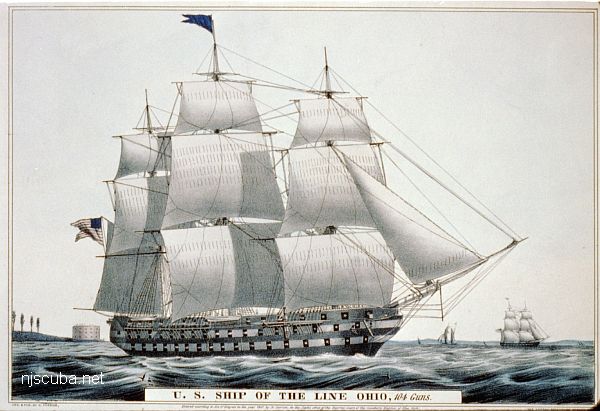
Shipwreck U.S.S. Ohio
Type:
shipwreck, 74 gun ship-of-the-line, U.S. Navy
Name:
that place next to Indiana
Built:
1820, New York Naval Shipyard, Brooklyn NY USA
Specs:
( 208 x 54 ft ) 2757 gross tons
Sunk:
April 1884
set adrift and grounded by storm while being dismantled, later deliberately burned
Depth:
20 ft


Shipwreck USS Salmon
Model of the Salmon in the 1970s.
Type:
shipwreck, Sailfish class submarine, U.S. Navy
Built:
1956, Portsmouth Naval Shipyard, Portsmouth NH, USA
Specs:
( 350 x 25 ft ) 2530 tons, no crew
Sunk:
Saturday June 5, 1993 - "artificial reef"
GPS:
39°42.2' -72°18.2' (US Navy 2004)
Depth:
360 ft

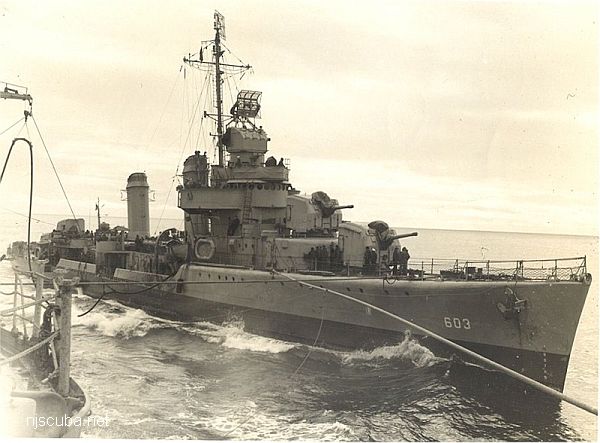
Shipwreck USS San Diego
USS San Diego photographed 28 January 1915, while serving as flagship of the Pacific Fleet. Her name had been changed from California on 1 September 1914. Note two-star Rear Admiral's flag flying from her mainmast top.
Type:
shipwreck, armored cruiser, U.S. Navy
Built:
1904, Bethlehem San Francisco, San Francisco USA, as U.S.S. California
Specs:
( 503 x 70 ft ) 13680 displacement tons
Sunk:
Friday July 19, 1918
explosion, probably struck a mine laid by U-156
officially 6 casualties, probably 30-40 in reality
GPS:
40°32.433' -73°02.484' (AWOIS 2008)
Depth:
110 ft, starts at 65 ft


bracket

Having said all that about doubles, there are still times when it makes more sense to dive "lite". Out of the water, double tanks are very heavy and cumbersome, which makes them practical only for boat entries, where you simply have to stagger across the deck and fall overboard. At other times, and in less deep situations, you can maintain a safe redundant air supply using a much lighter "pony bottle" - a small tank of 20-40 cubic feet, weighing only about 10-20 lbs, with its own regulator that is used only in an emergency. Some of the situations where this configuration is useful to include medium-depth dives, 40-80 ft, training and practice dives ( especially in the quarry, where it is possible to reach quite deep water from the shore ), and excursions to the tropics.

Larger pony bottles ( 40-50 cf ) are also useful as "swing bottles" for carrying special decompression mixes, while the smaller ones are small enough to actually take with you when you travel. Most airlines will allow it in checked baggage if you remove the valve. This is very useful since many tropical destinations are not equipped to provide the kind of safety equipment that we take for granted here. The smallest pony bottles are really not big enough to get you out of trouble on a deep Jersey dive, however.