Northeast Sailor

Shipwreck Northeast Sailor
Type:
shipwreck, sailing ship
Depth:
75 ft

The "Northeast Sailor" is the remains of a large sailing ship. The absence of towing bits is an indicator that this was probably not a schooner barge, while the presence of a boiler and steam machinery place the vessel in the mid to late nineteenth century.

compass

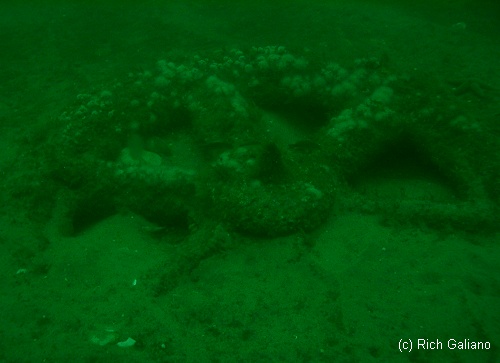
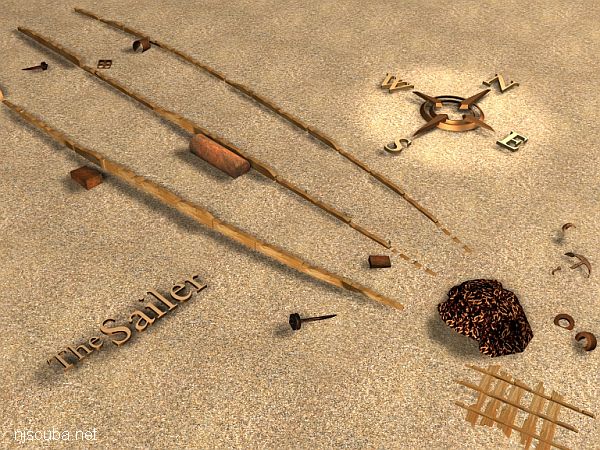
The lay of the wreck is typical. The Bow faces east, probably into the storm that sank her. Low wooden remains lie in lines emanating from a sizable chain-pile and anchor. Some machinery can also be found, including the aforementioned boiler and steam winches. Although the wreckage is scattered, navigation is not difficult. The bottom is clean coarse sand, and there are lobster holes dug beneath the wooden ribs. Many of these are very deep, and even a long stick will not reach the bottom, so lobstering on this wreck is a challenge, but doable. The last time I was there, I grabbed half a dozen nice-sized lobsters, and not one keeper in the lot! All females.
Shipwreck Northeast Sailor
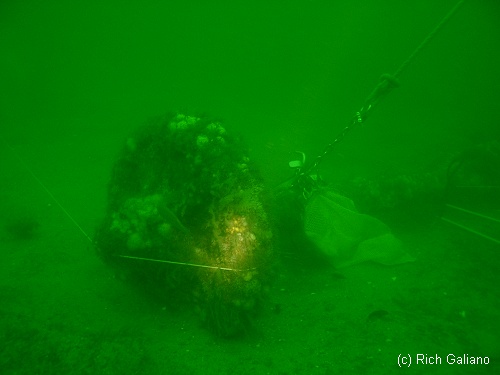
Tied in to a winch near the chain pile
Shipwreck Northeast Sailor
Northeast Sailor
Lots of machinery around the bow
Shipwreck Northeast Sailor
I have no idea what this is
Shipwreck Northeast Sailor
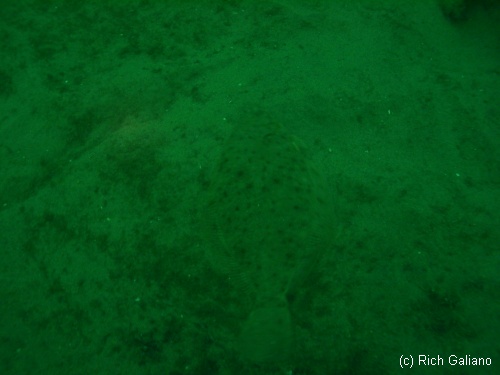
See the flounder?

Drawing courtesy of Aaron Hirsh


Comments on Northeast Sailor

Questions or Inquiries?

Just want to say Hello? Sign the .

Submit a Comment

Your email address will not be published. Required fields are marked *


Click image to replace if unable to read.

Enter the digits from the image above, except for the last one:

This site uses Akismet to reduce spam. Learn how your comment data is processed.


Horseshoe Crab

Horseshoe Crabs Limulus polyphemus are extremely common in the rivers and bays of this area. They are actually more closely related to spiders than to the other crustaceans on this page. In fact, technically they are not crustaceans at all. Despite their fierce-looking array of claws and spines, they are completely harmless.

They are also completely inedible - not even the native Indians would eat them except in the direst emergency. They are nonetheless threatened by man since vast numbers are collected commercially for fertilizer, bait, and other uses. Horseshoe Crabs are found from the water's edge down to 75 feet.