Sandy Hook Dive Sites (11/11)

Sandy Hook / Rockaway Inlet Chart

  1. Barge #10
  2. 120 Wreck
  3. 3 Sisters
  4. Ambrose Buoy
  5. A Street - Shark River
  6. Acara
  7. Across
  8. Adele
  9. Ajace
  10. Alex Mac
  11. Allenhurst Jetty
  12. Antioch
  13. Arnoff
  14. Arundo
  15. Asfalto
  16. Aurora
  17. Ayuruoca
  18. BA Wreck
  19. Shark River - Back Bay
  20. Balaena
  21. Bald Eagle
  22. BD1738
  23. USS Benson
  24. Beth Dee Bob
  25. Blue Boy
  26. Bronx Queen
  27. Bug Light
  28. Charles Dunlap
  29. Cecilia M Dunlap
  30. Catherine Jackson
  31. Chauncy Jerome
  32. Cornelia Soule
  33. Choapa
  34. coal (Lido)
  35. Continent
  36. crane barge
  37. Daghestan
  38. Dragger
  39. drydock
  40. Dryland
  41. Edwin Duke / Stone Barge
  42. dump
  43. Dutch Springs
  44. Edmund Phinney
  45. East Rockaway Inlet
  46. Ed's Schooner
  47. Elberon Rocks
  48. Eureka
  49. Finance
  50. Fort Victoria
  51. German
  52. GL78
  53. Glen II
  54. I.P. Goulandris
  55. Gypsy
  56. Horseshoe Cove
  57. Alexander Hamilton
  58. Howard
  59. Iberia
  60. Immaculata
  61. Inshore Schooner
  62. Jack I
  63. Joan La Rie III
  64. Jones Inlet
  65. Jones Tug
  66. Klondike Rocks
  67. Larsen
  68. Lizzie D
  69. Long Branch locomotives
  70. Logwood
  71. H.W. Long
  72. Macedonia
  73. Mahogany
  74. Malta
  75. Manasquan Inlet
  76. Margaret
  77. Marion
  78. Mistletoe
  79. R.C. Mohawk
  80. Manasquan Wreck
  81. Nautilus
  82. Navesink River
  83. Northeast Sailor
  84. New Reef
  85. New Deal
  86. New Era
  87. HMS Pentland Firth
  88. Long Branch Pier Rubble
  89. Pinta
  90. Pipe Barge
  91. Pliny
  92. Plymouth
  93. Pocopson
  94. Princess Anne
  95. Ruth Shaw
  96. Robert A Snow
  97. Ramos
  98. Ranger
  99. Relief Lightship
  100. Rickseckers
  101. Rjukan
  102. Rockaway Inlet
  103. Rockaway Belle
  104. Round Valley
  105. Roy's barge
  106. Rudder Wreck - Pocono
  107. Rusland / Adonis
  108. Scotland Buoy
  109. Sandy Hook Pilot Boat
  110. SC-60
  111. Sea Girt Inlet
  112. Sea Girt Wreck
  113. Shark River Inlet
  114. Shrewsbury Rocks
  115. Spring Lake Sailor
  116. Steel Wreck
  117. Stolt Dagali
  118. Sylvanus
  119. Tampa III
  120. USS Turner
  121. AWOIS 8087
  122. AWOIS 8097
  123. u11
  124. AWOIS 7509
  125. AWOIS 7932
  126. AWOIS 9768
  127. AWOIS 12966/11422
  128. AWOIS 1609
  129. AWOIS 8084
  130. AWOIS 7940
  131. AWOIS 7938
  132. AWOIS 8076
  133. AWOIS 4600
  134. AWOIS 8075
  135. Valerie E
  136. Vega
  137. Warrior
  138. Delaware River Water Gap
  139. Western World
  140. Edward W Winslow
 1  9 10 11  

H10284/88 -- OPR-C147-WH-88; AN OBSTRUCTION WAS FOUND WITH AN ESTIMATED DEPTH OF 33 FT; OBSTRUCTION IS 269M SW OF CHARTED POSITION OF THIS ITEM AND 81M SW OF POSITION OF ITEM 1571; EVALUATOR BELIEVES THAT THIS CONTACT IS THIS ITEM OR ITEM 4600; THERE ARE OTHER OBSTRUCTIONS IN THE VICINITY OF THE AWOIS ITEM THAT WERE LOCATED BY THE PRESENT SURVEY, BUT THIS IS THE MOST SIGNIFICANT AND HAS AN ESTIMATED HEIGHT THAT IS CLOSE TO THE CHARTED INFORMATION. (UPDATED MSD 6/91)

FE330SS/89 -- OPR-C147-HE-89; CONTACT #22 FROM SURVEY H-10284/88; DIVERS INVESTIGATION REVEALED THE REMAINS OF A LARGE WOODEN WRECK WHICH IS BADLY BROKEN UP, DETERIORATED, AND STREWN ABOUT THE BOTTOM; SEVERAL LARGE TIMBERS RISE AT ANGLES ABOVE THE GENERAL TREND OF THE WRECK; TIMBERS ARE MOST LIKELY THE RIBS FROM THE WRECK; LEADLINE LEAST DEPTH WAS TAKEN BY DIVERS ON THE AFTERMOST VERTICAL TIMBER; DUE TO THE DETERIORATED CONDITION OF WRECK, POSITIVE IDENTIFICATION IS NOT POSSIBLE; HOWEVER, DIVERS REPORTED THAT THE WRECKAGE WAS MORE LIKELY A BARGE THAN A WAR VESSEL (AWOIS ITEM 1571) (UPDATED MSD 6/91)


FE330SS/89 -- OPR-C147-HE-89; CONTACT #24 FROM SURVEY H-10284/88; SIDE-SCAN SONAR AND DIVER INVESTIGATION FOUND THE BADLY DETERIORATED WRECKAGE OF A WOODEN SHIP; A LARGE METAL MOORING OR TOWING BIT WAS FOUND IN THE WRECKAGE; LEADLINE LEAST DEPTH OF 41 FT TAKEN ON WHAT APPEARED TO BE THE RIBS OF THE WRECK. (ENTERED MSD 6/91)


FE331SS/89 -- OPR-C147-HE-89; CONTACT #19 FROM SURVEY H-10285/88; DIVERS LOCATED AN OVERTURNED 50 FT STEEL-HULLED BOAT WHICH ROSE APPROXIMATELY 5 FT OFF OF A SANDY BOTTOM; LEADLINE LEAST DEPTH OF 40 FT. (ENTERED MSD 7/91)

"This is a worthless rusted-out metal hull with NOTHING of interest and not even worth listing."


u11

Identified as the Pocono on artificial reef records, but I think that is wrong, Pocono is further south. Not sure what this is, it may be an error.


FE312SS/88 -- OPR-C121-WH-88; WHILE SEARCHING FOR AWOIS ITEM 1634, TWO SIDE-SCAN SONAR CONTACTS WERE LOCATED AND IDENTIFIED AS WRECKAGE (ALSO REFERENCE ITEM 7508); AN OBSTRUCTION (SSS CONTACT NO. 379.6S) WAS FOUND; DIVER LEAST DEPTH OF 36 FT. IN PRESENT SURVEY DEPTHS OF 38 FT.; REMAINS OF A PORTION OF A KEEL OF A METAL HULLED VESSEL; VESSEL WAS LYING INVERTED WITH THE KEEL EXPOSED; PORTION OF MIDSECTION OF VESSEL WAS VISIBLE; ENTIRE STRUCTURE WAS COATED WITH ANTI-FOULING PAINT; 45 FT. WIDE AT THE BEAM, 37 FT. AT THE NORTHERN END AND 18 FT. LONG; SOUTHERN END OF SITE WAS BENT AND TWISTED; HULL STOOD APPROXIMATELY 3 FT. OFF THE BOTTOM AT THE NORTHERN END, AND A SAND SCOUR AT THE SOUTHERN END EXPOSED APPROXIMATELY 6-8 FT. OF THE WRECK (3-4 FT. BELOW THE SURROUNDING BOTTOM). (ENTERED MSM 10/89)


H10224/86 -- OPR-C121-WH-86; WHILE INVESTIGATING ITEM 751, AN AREA WITH NUMEROUS SIDE-SCAN SONAR CONTACT WAS FOUND AND DEVELOPED USING SIDE-SCAN AND ECHO SOUNDER; DIVER INVESTIGATION DETERMINED LIMITS OF SITE, NATURE OF WRECKAGE, AND LOCATION OF THE LEAST DEPTH; SITE WAS ORIENTED NORTHEAST-SOUTHWEST; CONSISTS MOSTLY OF SHIPYARD DEBRIS IN THE FORM OF HEAT EXCHANGERS, BUCKLED DECK PLATING, TWISTED ANGLE IRON, WOODEN RIBS, AND PIPING OF VARIOUS LENGTHS AND SIZES; THE NORTHEAST END OF THE SITE CONSISTED OF A BARGE LYING IN A NORTHWEST-SOUTHEAST DIRECTION WITH THE BOW OF THE BARGE DEFINING THE SOUTHEAST WALL OF THE SITE; THE NORTHWEST END OF THE BARGE, THE STERN, WAS COVERED WITH METAL DEBRIS, HAWSER LINES, AND TRAWLER NETTING; DIVERS CONCLUDED THAT THIS SITE IS THE WRECK OF A BARGE THAT WAS FILLED WITH SHIPYARD SCRAP IRON AND DEBRIS; PNEUMATIC DEPTH GAUGE LEAST DEPTH OF 50 FT. (ENTERED MSD 4/91)


H10224/86-88 -- OPR-C121-WH; SIDE-SCAN SONAR CONTACT. DIVERS DESCRIBE A WRECK SITE 250' X 50' CONTAINING THE REMAINS OF WHAT APPEARED TO BE A WOODEN VESSEL (DECK MACHINERY, 3-FOOT DIA. METAL CYLINDER, LARGE TIMBERS REINFORCED WITH METAL PLATES). LD (PNEUMO) OF 53 FEET. (ENT 5/30/96, SJV)


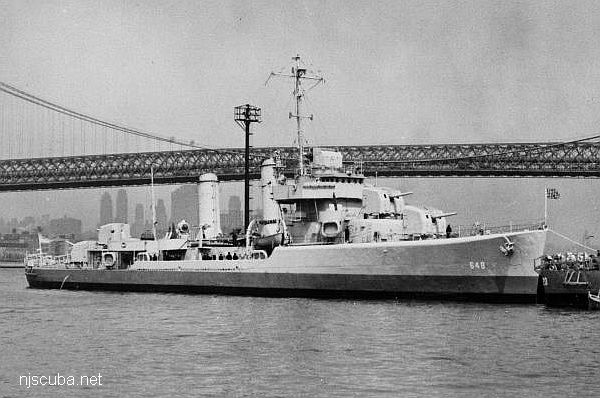
Shipwreck USS Turner
Type:
shipwreck, destroyer, Bristol class, U.S. Navy
Built:
1942, Federal Shipbuilding, Kearny NJ USA
Specs:
( 350 x 36 ft ) 1700 displacement tons, 301 crew
Sunk:
Monday January 3, 1944
munitions explosion while at anchor - 138 casualties
Depth:
55 ft

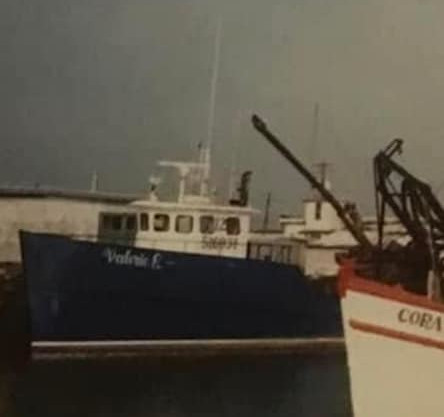
Type:
shipwreck, clam dredge
Built:
1968, Kennedy Brown, Palatka FL
Specs:
( 71 ft ) 116 gross tons, 3 crew
Sunk:
Thursday January 16, 1992; winter storm - no survivors
Depth:
75 ft

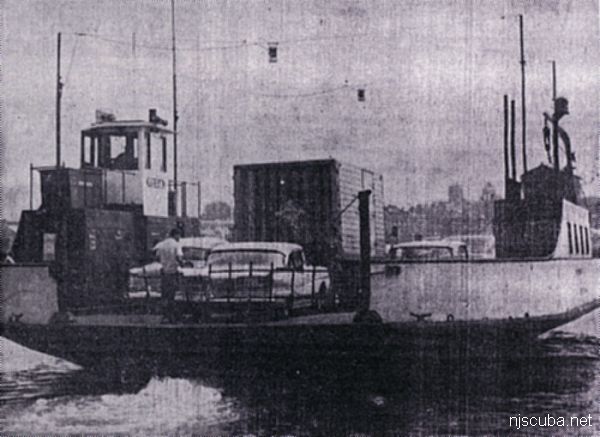
Shipwreck Vega
Circa 1950, enroute to Staten Island
Type:
shipwreck, ferry, USA
Built:
1925, Staten Island NY USA
Specs:
( 75 x 40 ft ) 84 tons
Sunk:
Wednesday January 11, 1961
capsized under tow in storm, no casualties
GPS:
40°11.646' -73°56.787' (AWOIS 1990)
Depth:
55 ft

Sandy Hook Dive Sites

 1  9 10 11  

NJ Scuba

Pete Nawrocky is a photographer specializing in the underwater environment of the Northeastern United States. Pete's work has been published in numerous books and magazines, including Skin Diver and Underwater USA, and he is currently a staff writer for the Northeast Dive Journal. Pete has also received the Beneath the Sea Diver of the Year award, and the NAUI Outstanding Contributor to Sport Diving award.

Atlantic Rock Crab - Cancer irroratus

Crabs are carnivorous and typically walk on the sea floor. Their habitat ranges from the deep sea up to shallow water, along the shore, and sometimes well inland. The Atlantic Rock Crab is found on rocky or sandy bottoms at depths from the low-tide line to depths of 2600 feet (780m). Although these crabs were once regarded as pests by lobstermen, as they will enter lobster pots and steal bait, the rise in seafood prices has made the crabs a profitable catch as well.

Northern Sea Robin - Prionotus carolinus

The Northern Sea Robin, which grows to 17 inches in length, inhabits waters off most of the eastern coast of North America, migrating south and offshore during the winter. These fish are bottom-dwellers, feeding on various crustaceans, bivalves, squid, and other fish. Sea Robins can be recognized by the large head, broad mouth, spiny dorsal fin, and wing-like pectoral fins.

Sea Gooseberry - Pleurobrachia pileus

This tiny comb jelly is only about an inch across, but its retractable tentacles can extend over twenty times its body length to snare microscopic food organisms. Comb jellies are noted for their sometimes spectacular luminescence, which is produced by glandular structures near the radial digestive canals. Sea Gooseberries, which unlike most jellyfish do not sting, can be found drifting near shore from Maine to Florida and Texas. Another comb jelly, P. bachei is found from Alaska to Baja California on the Pacific coast, and is indistinguishable from P. pileus outside of the laboratory.

Atlantic Purple Sea Urchin - Arbacia punctulata

This omnivorous species, found on rock or shell bottoms from low-tide line to water 750′ (229m) deep, will eat anything from algae, sponges, and coral polyps, to mussels, sand dollars, even dead or dying urchins or other animals. Sea urchins carry fascinating tiny grooming organs between their spines. These organs, once thought to be parasites, are actually just the opposite: an integral part of the animal which keeps the echinoderm’s surface free from other animal or plant organisms.

Tubularian (Pink Hearted) Hydroid - Tubilaria crocea

This is not a plant, but an animal which attaches itself to nearly any solid object continuously submerged in shallow water. Single pink polyps, each up to 5″ high, combine to form a colony over a foot wide. Individual members of the colony become specialized to perform specific tasks, from eating to defending the colony. This species is found on the east coast from Nova Scotia to Cape Hatteras, and from Washington to California in the west.

Northern Red Anemone and Frilled Anemone
Tealia crassicornis and Metridium senile

The similarities between anemones and their relatives, the corals and the jellyfish, are not hard to see. All spend part, if not all of their lives as polyps anchored to the sea floor or other surface, and most employ stinging cells, or nematocysts, to subdue prey.

Both of these anemones are found in northern waters on the east and west US coasts. The Northern Red Anemone can grow to 5″ high and 3″ wide with a hundred tentacles arranged in rings around the mouth. The Frilled Anemone, which can grow to a height of 18″, may have as many as a thousand slender tentacles which give it the frilled appearance. These anemones can reproduce either sexually or asexually, the latter being accomplished by leaving behind, as they creep over a surface, bits of tissue which regenerate into complete organisms.

Goosefish - Lophius piscatorius

This angler fish is a large bottom-dweller, reaching lengths of up to six feet in depths to 1,800 feet (550m). Lophius are voracious eaters, attracting prey with a modified dorsal fin which acts as a “fishing lure.” They have been known to eat a wide variety of fish, turtles, invertebrates, and even birds. Fishermen comment that the goosefish usually comes up in a trawl with a full belly, having gorged itself on its fellow captives. The appearance of this fish belies the delicately flavored flesh, which is popular in Europe.

Blue Mussels - Mytilus edulis

The edible Blue Mussel is usually found in dense masses attached to rocks, pilings, or nearly any solid object between low- and high-tide lines. These mussels grow to 4″ long and feed on nutrients filtered out of the water which passes into and out of the mantle cavity through the frilled siphons. Breathing also occurs as this stream of water passes over the creature’s gills.

Northern Stony Coral - Astrangia danae

The beautiful reefs of tropical locations are not actually living creatures at all, but are built up of the skeletons left behind by hard or stony corals and encrusting algaes. The Northern Stony Coral is the only shallow-water species of stony coral found north of Cape Hatteras. It is pinkish to white in color, and found attached to rocks or shells in water to 135′ deep.

Black Sea Bass - Centropristes striata

A favorite prize of spearfishing SCUBA divers, the Black Sea Bass is an important food fish throughout the mid-Atlantic states. Growing to 24″ in length, this fish is found from Maine to Florida, usually over rocks and around jetties, pilings, and wrecks.

Ocean Sunfish - Mola mola

Perhaps the strangest in appearance of all local fishes, the Ocean Sunfish with its large dorsal fin is probably responsible for more than a few “shark” sightings at sea. The caudal (tail) fin of the Mola mola is reduced to a short flap, with the dorsal and anal fins used like oars for propulsion. This fish can weigh well over a ton and measure up to 13 feet in length. They are found in both the Atlantic and Pacific oceans, and feed on jellyfishes and other small, soft items.

Sea Star - Asterias forbesi

The Common Sea Star is a familiar sight to any north Atlantic wreck diver. Found on rock, sand, or gravel bottoms from the low-tide line to depths of 160′, this creature can grow to over 10 inches across. This Sea Star feeds mainly on bivalve mollusks, by pulling the valves open just far enough to slip a piece of its stomach inside ( it only needs a tiny space of 1/250″. ) It then secretes digestive juices which begin to consume the mollusk’s soft tissues, and finishes the meal once the bivalve’s shell opens as it dies.

Sea Raven - Hemitripterus americanus

The Sea Raven has the unusual ability to pump itself up like a balloon when removed from the water. If it is thrown back again, it first floats helplessly on the surface, then returns to normal as it lets the air back out again. This fish is often used as bait for lobster, though some claim that it tastes good. The Sea Raven is found along the Atlantic coast of the US, and grows to over two feet in length.

If you are a New Jersey diver, we hope we’ve helped you become better acquainted with the creatures you see on your dives. If you’re not, we hope that we have shown you a little of what New Jersey diving has to offer.

Original NJScuba website by Tracy Baker Wagner 1994-1996

From way back when in 1996