Dive Sites (34/46)

Dive Sites - pick your starting point

 Page 1  33 34 35  46  

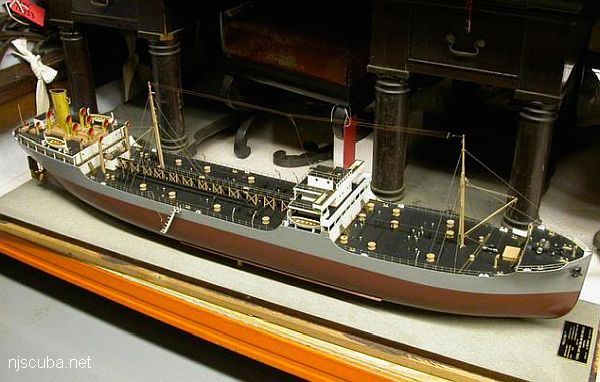
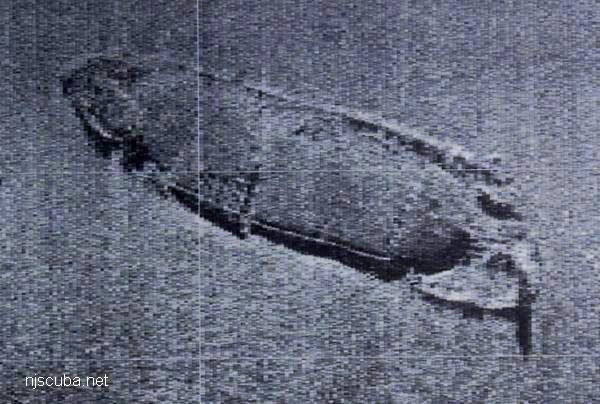
Shipwreck RP Resor
A model of the Resor
Type:
shipwreck, tanker, USA
Name:
Named for R P Resor, Treasurer of Standard Oil.
Built:
1936, Federal Shipbuilding, Kearny NJ USA
Specs:
( 435 x 66 ft ) 7451 gross tons, 49 crew
Sunk:
Friday February 28, 1942
torpedoed by U-578 - 2 survivors
Depth:
125 ft


Shipwreck Rump
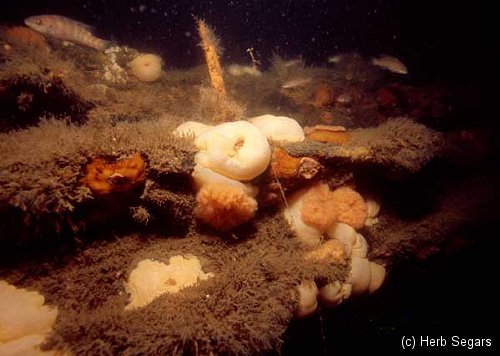
A spike protrudes from wooden decking
Type:
shipwreck, schooner barge
Specs:
approximately 150 ft
Depth:
80 ft

Type:
shipwreck, barge
Specs:
( 200 x 24 ft ) 485 tons
Sunk:
Saturday November 11, 1939
Depth:
85 ft

carrying a cargo of stone


The "Sachem" wreck is typical of the remains of many unknown wooden sailing ships that are found off the coast. Three parallel sets of ribs and scattered decking between provide good habitat for lobster. The wreck sits in 60' of water on a clean sandy bottom and visibility is usually good on this site. Fairly large and scattered, it also provides a good opportunity for the spearfisherman.


Type:
shipwreck, schooner barge
Built:
1900
Specs:
703 tons, 3 crew
Sunk:
Sunday April 3, 1932
- no survivors
Depth:
55 ft


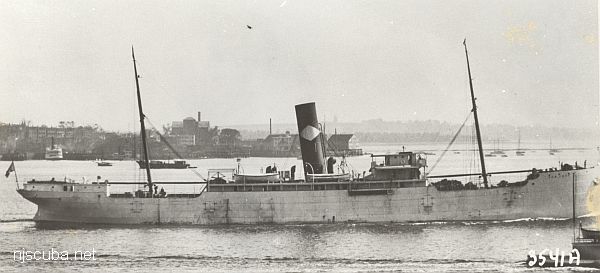
Shipwreck San Jose
Type:
shipwreck, freighter, USA ( United Fruit Company, now Chiquita )
Built:
1904, Ireland
Specs:
( 330 x 44 ft ) 3358 gross tons, 35 crew
Sunk:
Saturday January 17, 1942
collision with C2-class freighter Santa Elisa - later torpedoed by U-123 - no casualties
Depth:
100 ft

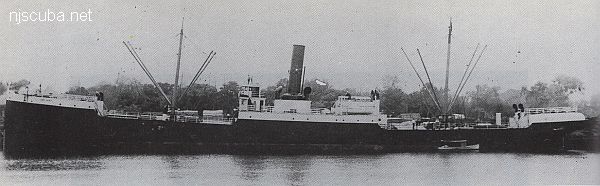
Shipwreck San Saba
Type:
shipwreck, steamer, USA
Name:
San Saba is a river in central Texas, a tributary of the Colorado River of Texas.
Built:
1879, Delaware River Iron Shipbuilding & Engine Works, Chester PA USA, as Colorado
Specs:
( 306 x 39 ft ) 2458 gross tons, 37 crew
Sunk:
Friday October 4, 1918
struck mine laid by U-117 - 30 casualties
Depth:
80 ft

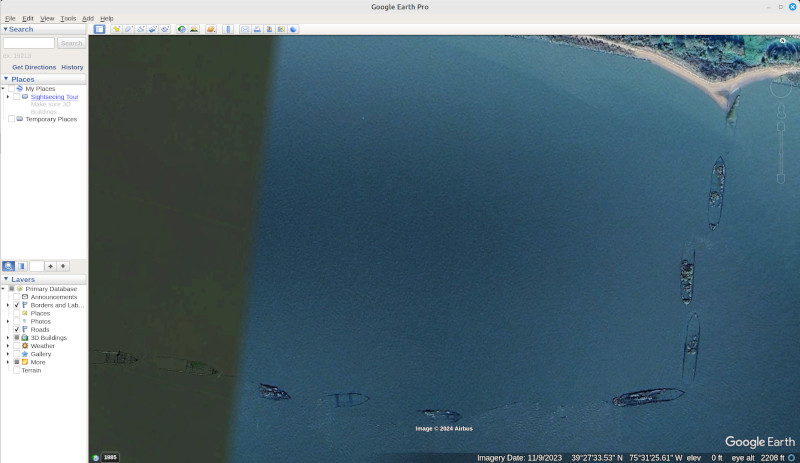
Horseshoe Cove

Type:
bay-side saltwater cove
Depth:
20 ft max


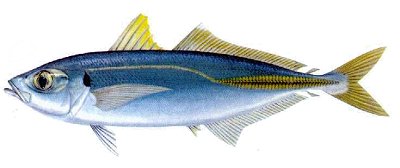
Mackerel Scad

Decapterus macarellus

Size: to 12"

Habitat: coastal waters

Notes: Scads are diminutive Jacks. Late in the season huge schools of 3-4" babies may be found in the rivers and swarming around the inshore reefs. Note the detached rays on the dorsal and anal fins near the tail, forming a finlet like a mackerel. They are mainly harvested for bait but are also sometimes eaten dried or salted.