Artificial Reef Sites (17/27)

Artificial Reefs

 1  16 17 18  27  


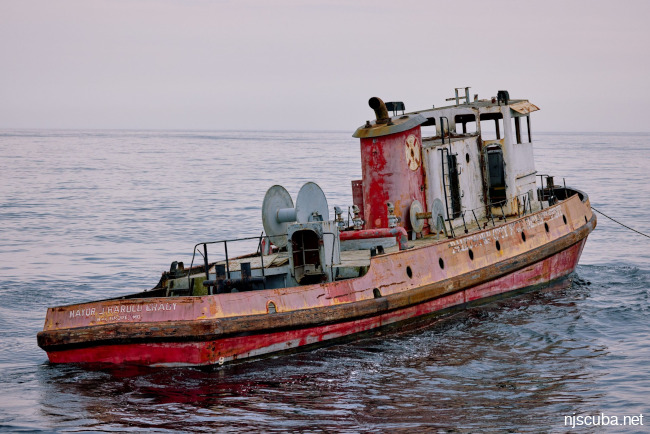
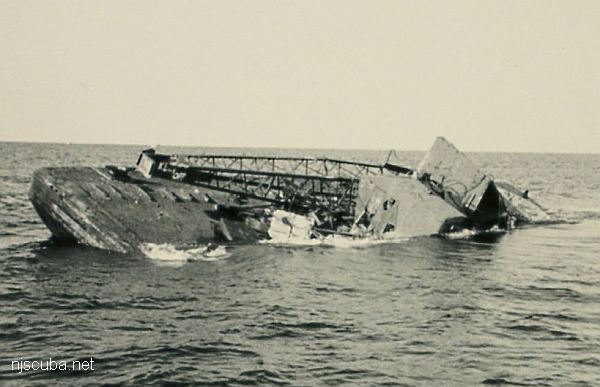
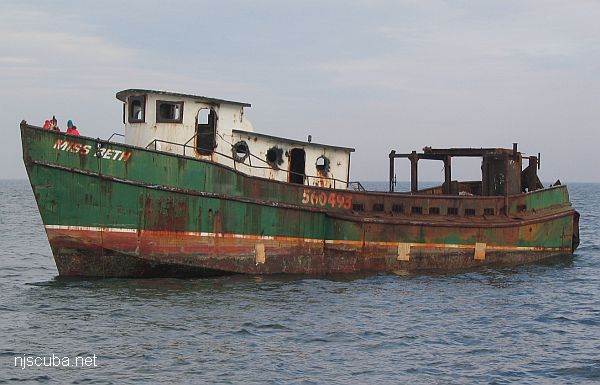
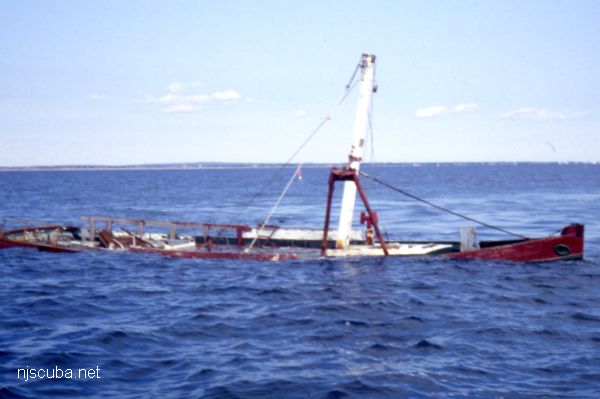
Megan Sue reef
Type:
artificial reef, tugboat
Built:
1960, Diesel Shipbuilding, Jacksonville FL, as Nomad
Specs:
( 61x17 ft )
Sponsor:
"4 of Clubs" - DVD, Ocean Wreck Divers, MRMTC, Ann E Clark Foundation
Sunk:
Sunday January 9, 2005 - Axel Carlson Artificial Reef
GPS:
40°03.181' -73°59.310'
Depth:
80 ft, top at 60 ft

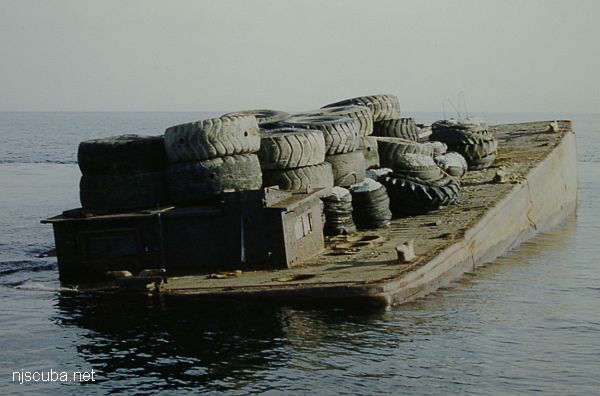
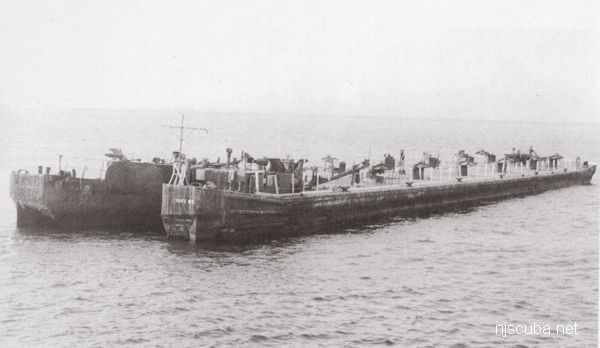
Michael DePalma reef
Type:
artificial reef, barge
Specs:
( 70 x 28 ft )
Sponsor:
Creedon Tug & Barge Works, Friends of Michael DePalma, GDF, Cape May County Party & Charter Boat Association
Sunk:
Tuesday February 27, 1996 - Wildwood Artificial Reef
GPS:
38°56.970' -74°41.337'

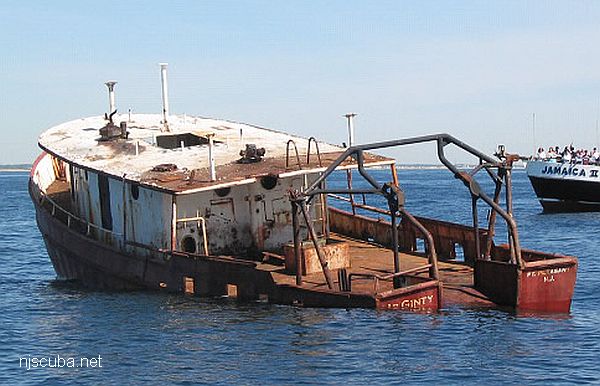
GS Miller reef
Type:
artificial reef, barge
Specs:
( 90 x30 ft )
Sponsor:
Caldwell's Diving Company, Fish America Foundation
Sunk:
Tuesday October 10, 1989 - Garden State South Artificial Reef
GPS:
39°33.621' -74°06.528'


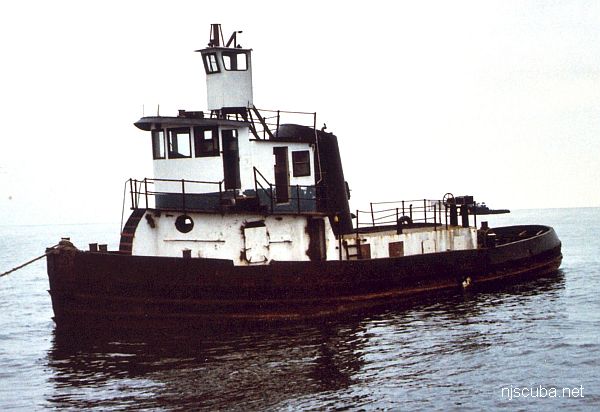
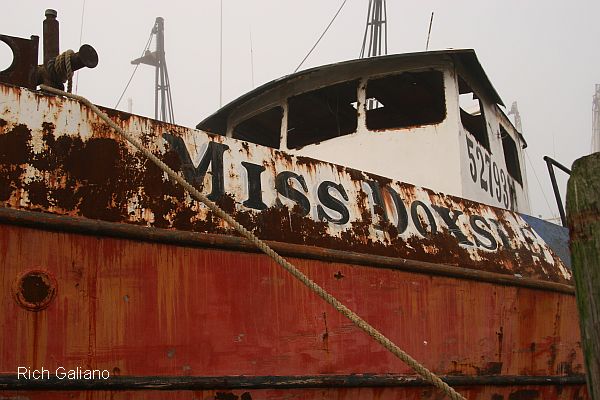
reef Miss Doxsee
Type:
artificial reef, clam dredge
Built:
1970, MKR, Wildwood NJ USA
Specs:
( 72 ft ) 125 gross tons
Sponsor:
Townsends Inlet Fluke Tournament, Ann E Clark Foundation
Sunk:
Monday August 13, 2007 - Townsends Inlet Artificial Reef
GPS:
39°06.605' -74°36.177'
Depth:
60 ft


Artificial Reef Sites

 1  16 17 18  27  

Sea Bass
A normal 3/4 pound male Sea Bass
on the right, and an enormous
18", 4-pound "Super-Male" on
the left. State record is 8 lbs 2 oz.

Spearfishing is really a solo activity. The presence of other divers in the water certainly does not preclude spearfishing, but the last thing you need is a buddy following you around in close proximity while you hunt, especially if he is spearfishing as well. This is in direct opposition to the conventionally accepted "buddy system" of diving and therefore makes spearfishing an activity only for more experienced divers who are capable of self-sufficiency in the water.

For every shot, assume you are going to miss. The resulting overshoot must never be a danger to other divers. This means either having visibility well in excess of the range of your weapon ( seldom ) or having a good backstop ( often the bottom is the best backstop. )